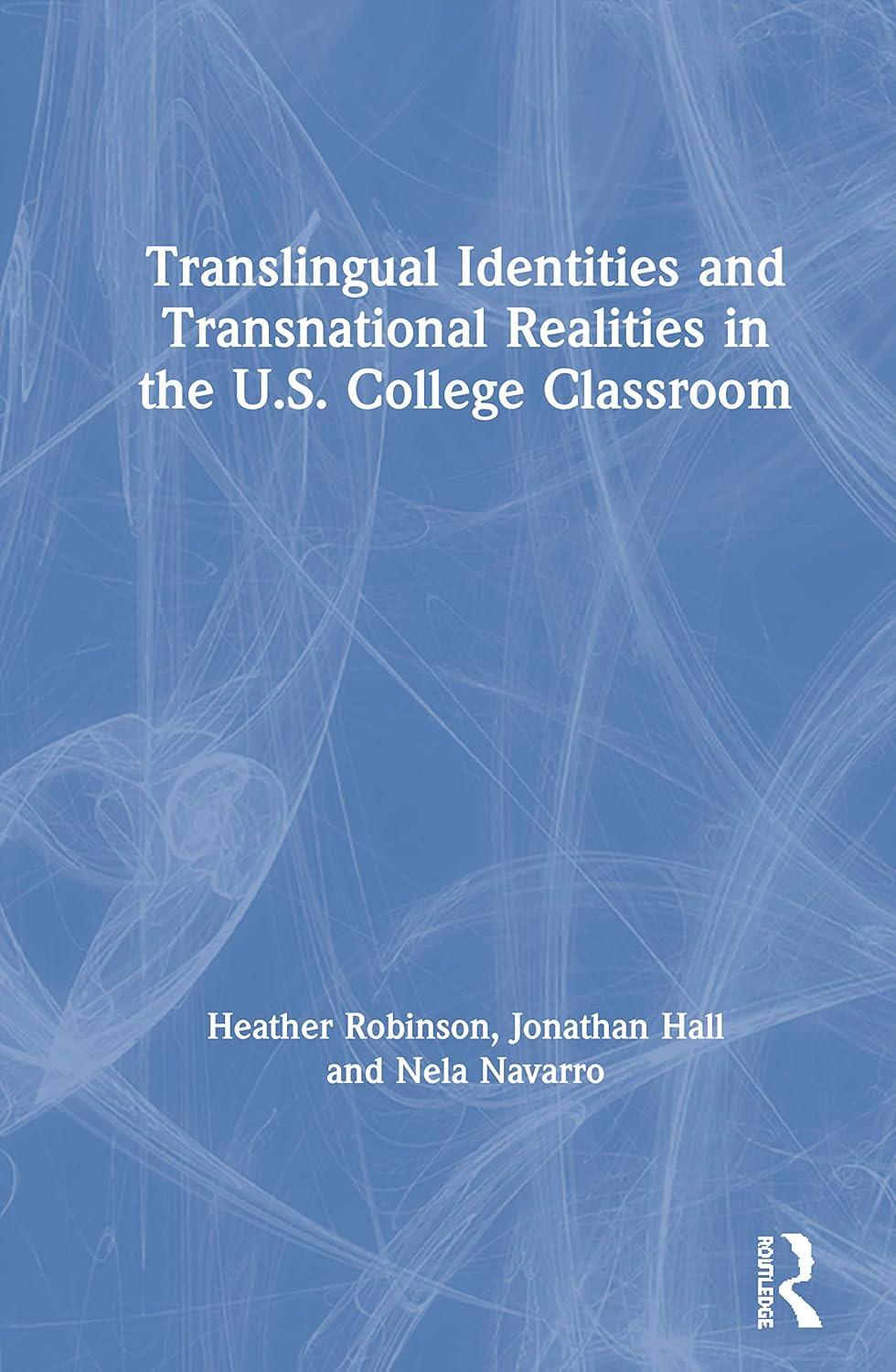
Translingual Identities and Transnational Realities in U.S. Classrooms
Translingual Identities and Transnational Realities in U.S. Classrooms
Price subject to change. Tap below for current.
Couldn't load pickup availability
The book Translingual Identities and Transnational Realities provides a comprehensive exploration of the complexities of language and identity in the context of U.S. college classrooms. Authored by Jonathan Hall, Heather Robinson, and Nela Navarro, this insightful work delves into the experiences of multilingual students and the challenges they face in higher education.
One of the key themes of the book is the concept of translingualism, which emphasizes the fluidity of language and the ways in which students navigate multiple linguistic identities. The authors argue that understanding these dynamics is crucial for educators who aim to create inclusive and supportive learning environments.
Through a series of case studies and personal narratives, the book illustrates how transnational realities impact students' academic journeys. These stories highlight the diverse backgrounds of students and the rich cultural resources they bring to the classroom. By acknowledging these realities, educators can better support their students' learning experiences.
Another significant aspect of this work is its focus on pedagogical strategies that promote linguistic diversity. The authors provide practical recommendations for instructors to incorporate translingual practices into their teaching. This includes fostering an environment where students feel empowered to share their linguistic backgrounds and engage in meaningful dialogue.
The book also addresses the institutional barriers that often hinder the success of multilingual students. By examining policies and practices within higher education, the authors call for a reevaluation of how institutions can better serve diverse populations. This critical analysis encourages educators and administrators to advocate for equitable access to resources and support systems.
Furthermore, the authors emphasize the importance of community and collaboration among educators. They argue that by working together, faculty can create a more inclusive curriculum that reflects the multilingual landscape of today's classrooms. This collaborative approach not only benefits students but also enriches the teaching experience.
In conclusion, Translingual Identities and Transnational Realities is an essential read for educators, administrators, and anyone interested in the intersections of language, identity, and education. The insights and strategies presented in this book are invaluable for fostering a more inclusive and supportive academic environment for all students.
Share