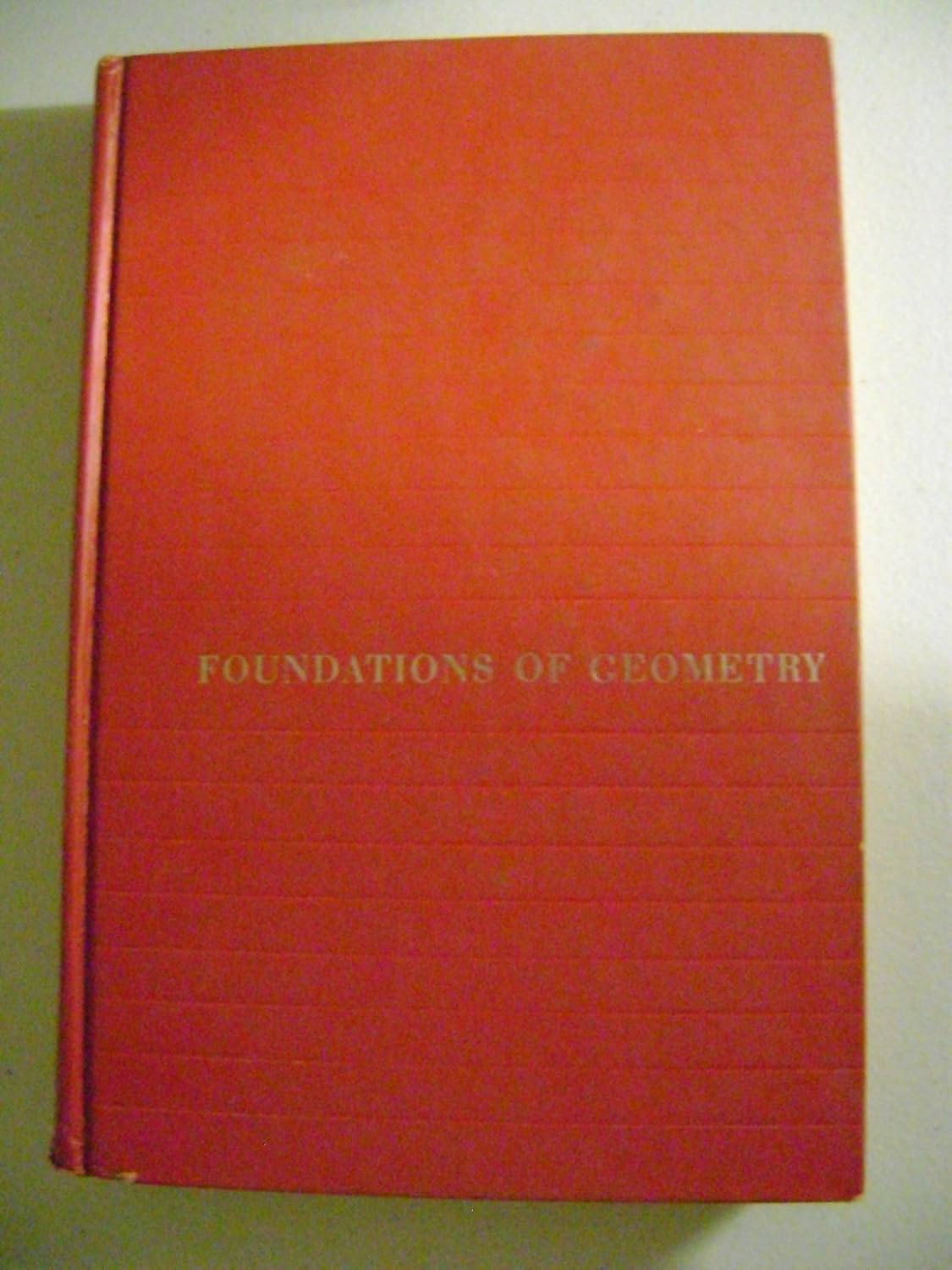
Foundations of Geometry - A Comprehensive Study of Shapes and Angles
Foundations of Geometry - A Comprehensive Study of Shapes and Angles
Price subject to change. Tap below for current.
Couldn't load pickup availability
The Foundations of Geometry by Clarence Raymond Wylie is an essential resource for anyone looking to deepen their understanding of geometric principles. This book offers a thorough exploration of the fundamental concepts that form the basis of geometry, making it an invaluable tool for students and educators alike.
One of the standout features of this book is its clear and concise explanations of complex topics. Wylie breaks down intricate ideas into manageable sections, allowing readers to grasp the material with ease. The structured approach taken in this text ensures that learners can build their knowledge progressively, making it suitable for both beginners and advanced students.
In addition to its clarity, the visual aids included throughout the book enhance the learning experience. Diagrams and illustrations are thoughtfully placed to complement the text, providing visual representations of geometric concepts that can often be difficult to visualize. These visuals are particularly helpful for those who are more inclined towards visual learning.
Wylie's writing style is engaging and accessible, making the Foundations of Geometry not just an academic text but also an enjoyable read. The author's passion for geometry shines through, inspiring readers to appreciate the beauty and logic of geometric relationships. This enthusiasm is contagious and encourages learners to explore further.
Another significant aspect of this book is its comprehensive coverage of various geometric topics. From basic shapes to advanced theorems, Wylie ensures that no stone is left unturned. The inclusion of exercises at the end of each chapter allows readers to test their understanding and apply what they have learned. This interactive element is crucial for reinforcing knowledge and building confidence in geometric reasoning.
Furthermore, the historical context provided in the book enriches the learning experience. Wylie includes insights into the development of geometric theories and the mathematicians who contributed to the field. This background information not only adds depth to the material but also helps readers appreciate the evolution of geometry over time.
For educators, the Foundations of Geometry serves as an excellent teaching resource. Its structured layout and comprehensive content make it easy to incorporate into lesson plans. The exercises can be used for homework assignments or in-class activities, providing flexibility for teachers to adapt the material to their students' needs.
In conclusion, Clarence Raymond Wylie's Foundations of Geometry is a must-have for anyone serious about mastering geometry. Its combination of clear explanations, engaging writing, and comprehensive coverage makes it a standout choice for students and educators alike. Whether you are just starting your journey into geometry or looking to refine your skills, this book is sure to be a valuable addition to your library.
Share