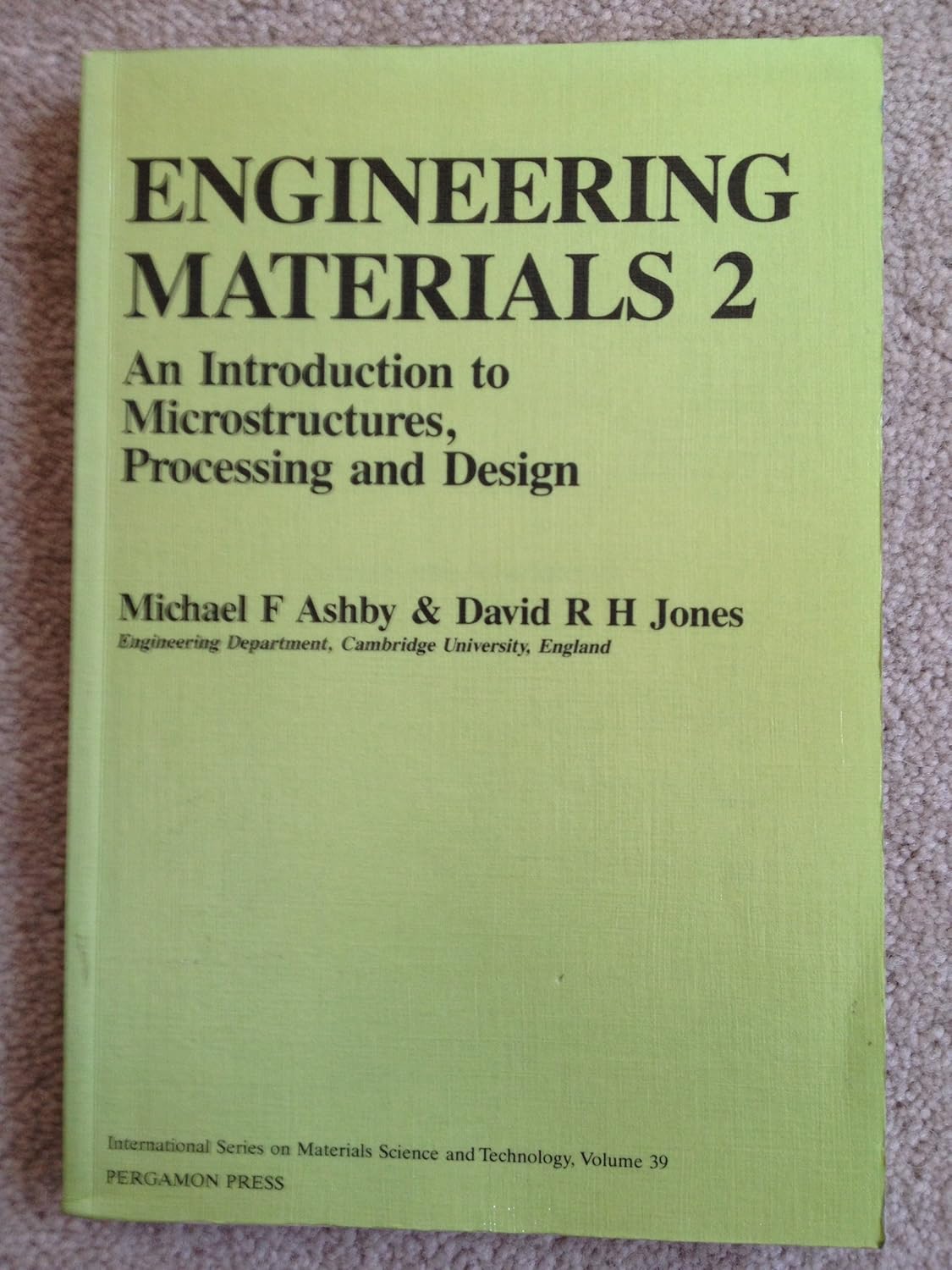
Engineering Materials 2: Microstructures, Processing and Design
Engineering Materials 2: Microstructures, Processing and Design
Price subject to change. Tap below for current.
Couldn't load pickup availability
Engineering Materials 2 is an essential resource for anyone looking to deepen their understanding of materials science. This comprehensive text, authored by Michael F. Ashby and D.R.H. Jones, provides a thorough introduction to the microstructures, processing, and design of engineering materials. The book is part of the International Series on Materials Science and Technology, making it a credible source for students and professionals alike.
One of the standout features of Engineering Materials 2 is its focus on the relationship between microstructure and properties. The authors expertly explain how different processing techniques can influence the microstructure of materials, ultimately affecting their performance in real-world applications. This connection is crucial for engineers and designers who must select the right materials for their projects.
The book is structured in a way that facilitates learning, with clear explanations and numerous illustrations that help to clarify complex concepts. Each chapter is designed to build upon the previous one, ensuring that readers develop a solid foundation in the principles of materials science. The inclusion of practical examples throughout the text makes it easier to understand how theoretical concepts apply in practice.
Another key aspect of Engineering Materials 2 is its emphasis on design considerations. The authors discuss how material selection impacts the overall design process, highlighting the importance of understanding both the properties of materials and the requirements of the application. This perspective is invaluable for engineers who must balance performance, cost, and manufacturability in their designs.
The book also covers a wide range of materials, including metals, polymers, ceramics, and composites. This broad scope ensures that readers gain a comprehensive understanding of the various types of materials available and their respective advantages and disadvantages. The authors provide insights into the latest advancements in materials technology, making this text a relevant resource for current and future trends in the field.
In addition to its educational content, Engineering Materials 2 serves as a practical reference for professionals in the industry. The detailed discussions on processing techniques and material properties make it a valuable tool for engineers working on real-world projects. Whether you are a student, educator, or practicing engineer, this book will enhance your knowledge and skills in materials science.
Overall, Engineering Materials 2 is a must-have for anyone interested in the field of materials science and engineering. Its clear explanations, practical examples, and comprehensive coverage of microstructures, processing, and design make it an indispensable resource for both learning and reference.
Share