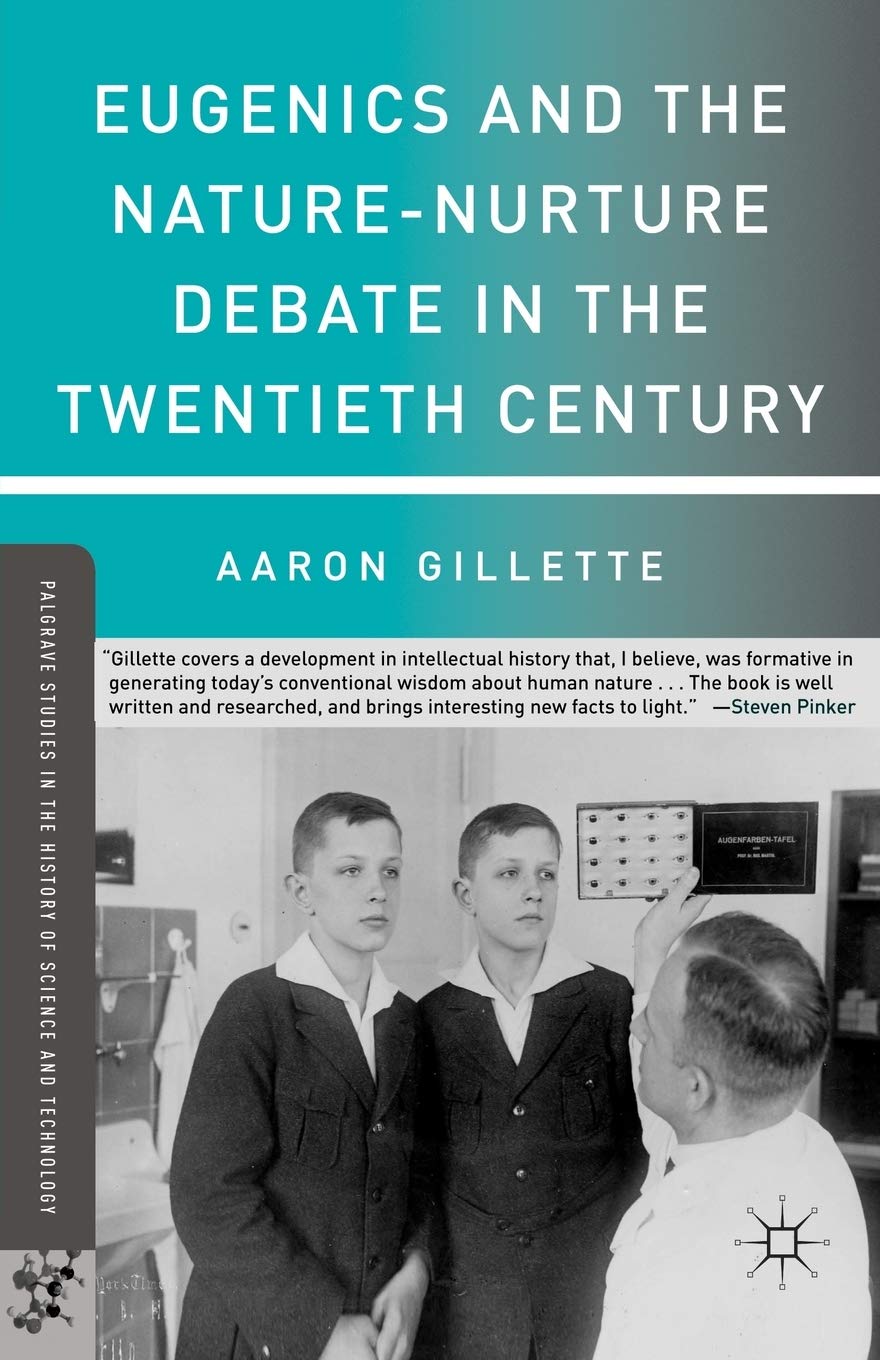
Eugenics and the Nature-Nurture Debate in the Twentieth Century
Eugenics and the Nature-Nurture Debate in the Twentieth Century
Price subject to change. Tap below for current.
Couldn't load pickup availability
The book Eugenics and the Nature-Nurture Debate offers a comprehensive exploration of the complex interplay between genetics and environment throughout the twentieth century. This pivotal work delves into the historical context of eugenics, examining how societal beliefs shaped scientific inquiry and public policy.
Readers will find that the author, A. Gillette, meticulously analyzes the historical significance of eugenics and its impact on various fields, including psychology, sociology, and biology. The text is rich with examples that illustrate how the nature-nurture debate has evolved over decades, reflecting changing attitudes towards race, intelligence, and human potential.
One of the standout features of this book is its ability to connect past ideologies with contemporary discussions surrounding genetics. The author emphasizes the importance of understanding the ethical implications of eugenics and how these ideas continue to resonate in modern genetic research and policy-making.
Throughout the chapters, readers will encounter a variety of perspectives from key figures in the eugenics movement, providing a nuanced view of the scientific controversies that defined the era. The book does not shy away from addressing the darker aspects of eugenics, including its association with discrimination and human rights violations.
In addition to its historical analysis, the book also poses critical questions about the future of genetic research. It challenges readers to consider the balance between nature and nurture in shaping human behavior and societal outcomes. This thought-provoking approach encourages a deeper understanding of how genetics can influence, but not solely determine, individual traits.
The writing style is accessible yet scholarly, making it suitable for both academic audiences and general readers interested in the history of science. The inclusion of extensive references and a well-curated bibliography further enhances the book's credibility as a resource for those studying the intersection of science and society.
Overall, Eugenics and the Nature-Nurture Debate is an essential read for anyone looking to grasp the complexities of human genetics and the historical context that has shaped our understanding of it. A. Gillette's work serves as a reminder of the lessons learned from the past and the ongoing relevance of these discussions in today's world.
Share