Pampa Grande and the Mochica Culture: A Deep Dive into History
Pampa Grande and the Mochica Culture: A Deep Dive into History
Price subject to change. Tap below for current.
Couldn't load pickup availability
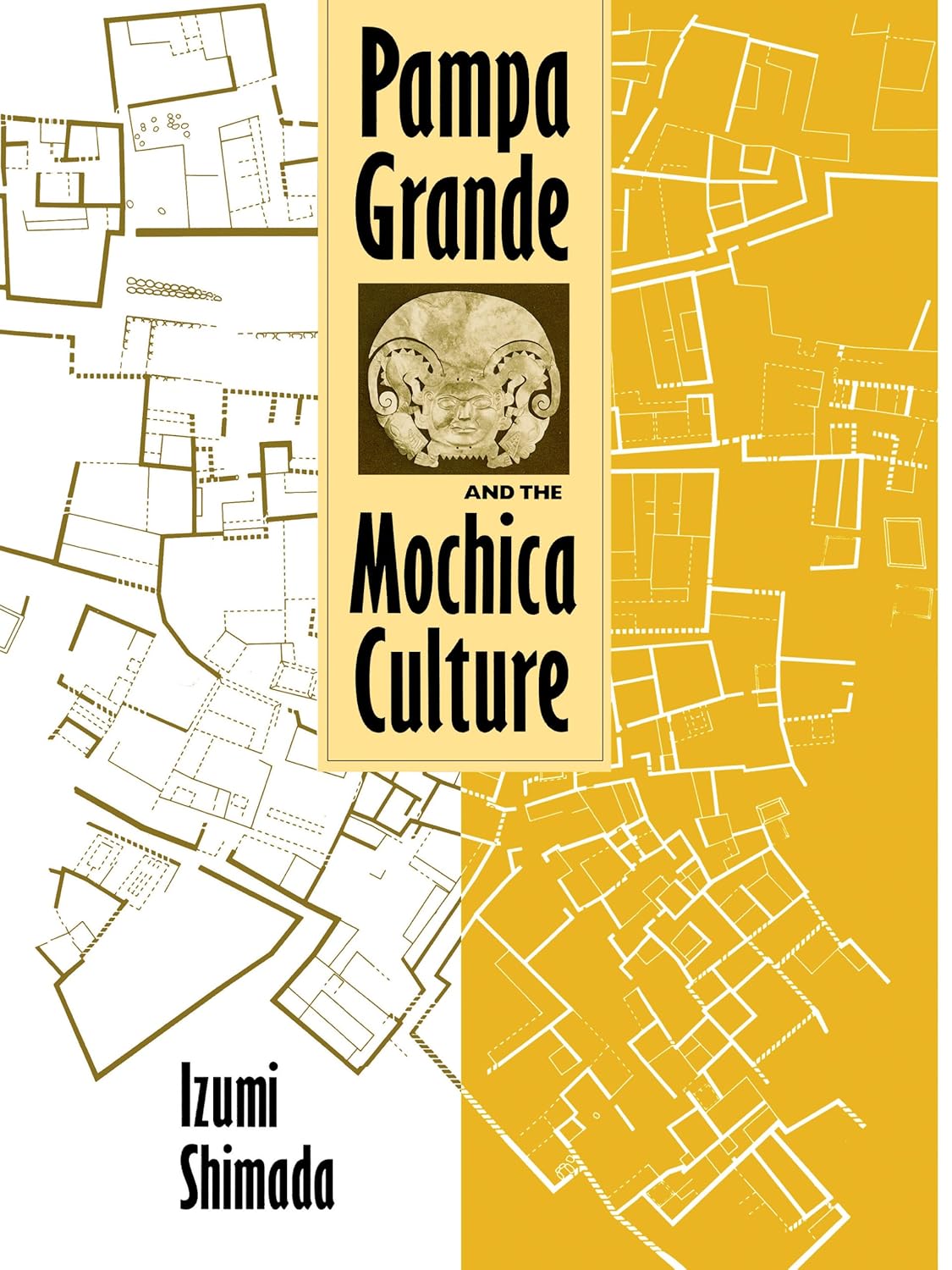
The book Pampa Grande and the Mochica Culture by Izumi Shimada offers an insightful exploration into the ancient Mochica civilization. This work delves into the rich history and cultural practices of the Mochica people, providing readers with a comprehensive understanding of their societal structures and artistic achievements.
One of the standout features of this book is its detailed examination of the archaeological findings at Pampa Grande. The author meticulously describes the site, highlighting its significance in the broader context of Mochica culture. Readers will appreciate the in-depth analysis of the artifacts discovered, which serve as a window into the daily lives of the Mochica.
Moreover, the book discusses the intricate pottery and metalwork that the Mochica are renowned for. The artistic expressions found in their artifacts reveal a society rich in creativity and craftsmanship. Shimada's descriptions are vivid, allowing readers to visualize the beauty and complexity of these ancient works.
Another compelling aspect of Pampa Grande and the Mochica Culture is its exploration of the religious practices of the Mochica. The author provides a thorough overview of their beliefs, rituals, and the role of deities in their society. This section is particularly engaging, as it sheds light on how spirituality influenced their daily lives and societal norms.
Shimada also addresses the political structure of the Mochica civilization, offering insights into their governance and social hierarchy. The book presents a well-rounded view of how power dynamics functioned within this ancient society, making it a valuable resource for those interested in ancient civilizations.
In addition to its academic rigor, the book is accessible to a general audience. The writing style is engaging, making complex topics understandable without oversimplifying them. This balance makes it suitable for both scholars and casual readers alike.
Furthermore, the illustrations and photographs included in the book enhance the reading experience. They provide visual context to the discussions, allowing readers to connect more deeply with the material. The visual documentation of archaeological sites and artifacts is a highlight, making the history come alive.
Overall, Pampa Grande and the Mochica Culture is a must-read for anyone interested in ancient cultures, archaeology, or Peruvian history. Izumi Shimada has crafted a work that not only educates but also captivates, ensuring that the legacy of the Mochica people continues to be appreciated and studied.
Share