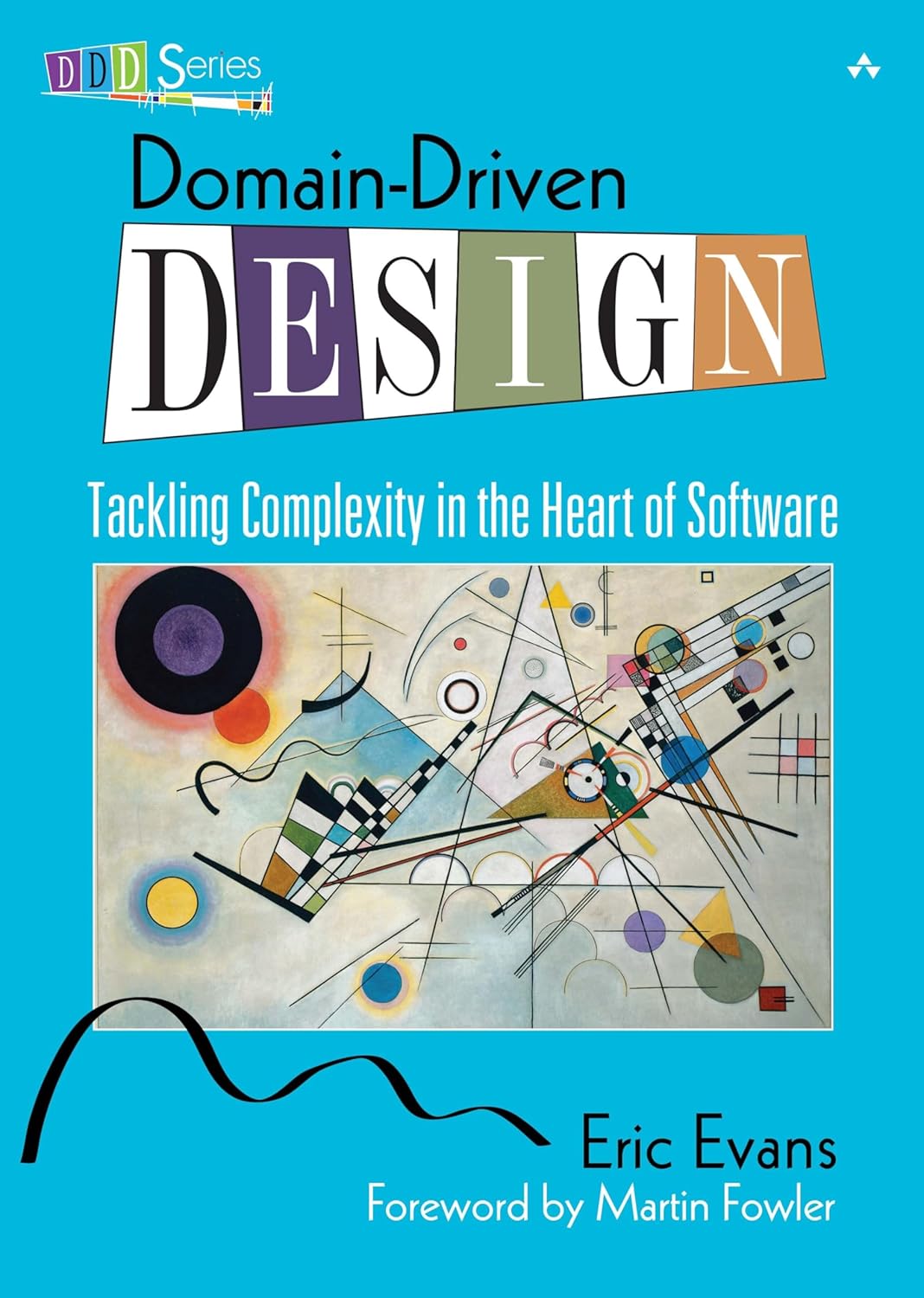
Domain-Driven Design: Tackling Complexity in Software Development
Domain-Driven Design: Tackling Complexity in Software Development
Price subject to change. Tap below for current.
Couldn't load pickup availability
In the realm of software development, Domain-Driven Design has emerged as a pivotal approach for managing complexity. This methodology, introduced by Eric Evans, emphasizes the importance of aligning software design with business goals. By focusing on the core domain, developers can create systems that are not only robust but also adaptable to changing requirements.
One of the key principles of Domain-Driven Design is the concept of a shared language. This means that both technical and non-technical stakeholders must collaborate closely to ensure that everyone has a clear understanding of the domain. This shared vocabulary helps bridge the gap between developers and business experts, leading to more effective communication and ultimately better software solutions.
Another significant aspect of Domain-Driven Design is the use of bounded contexts. This allows teams to define clear boundaries within the system, ensuring that different parts of the application can evolve independently. By isolating different domains, developers can reduce the risk of unintended consequences when making changes, thus enhancing the overall stability of the software.
Implementing Domain-Driven Design also encourages a focus on the core domain model. This model serves as the foundation for the software, encapsulating the essential business logic. By prioritizing the core domain, teams can ensure that their applications are not only functional but also aligned with the strategic objectives of the organization.
Moreover, Domain-Driven Design promotes the use of tactical patterns, such as entities, value objects, and aggregates. These patterns provide a structured way to model complex business scenarios, making it easier for developers to implement solutions that are both efficient and maintainable. By leveraging these patterns, teams can create a more coherent and understandable codebase.
In conclusion, Domain-Driven Design is an invaluable approach for tackling complexity in software development. By fostering collaboration, defining clear boundaries, and focusing on the core domain, teams can create software that not only meets current needs but is also prepared for future challenges. Embracing this methodology can lead to significant improvements in both the quality of the software and the satisfaction of stakeholders.
Share