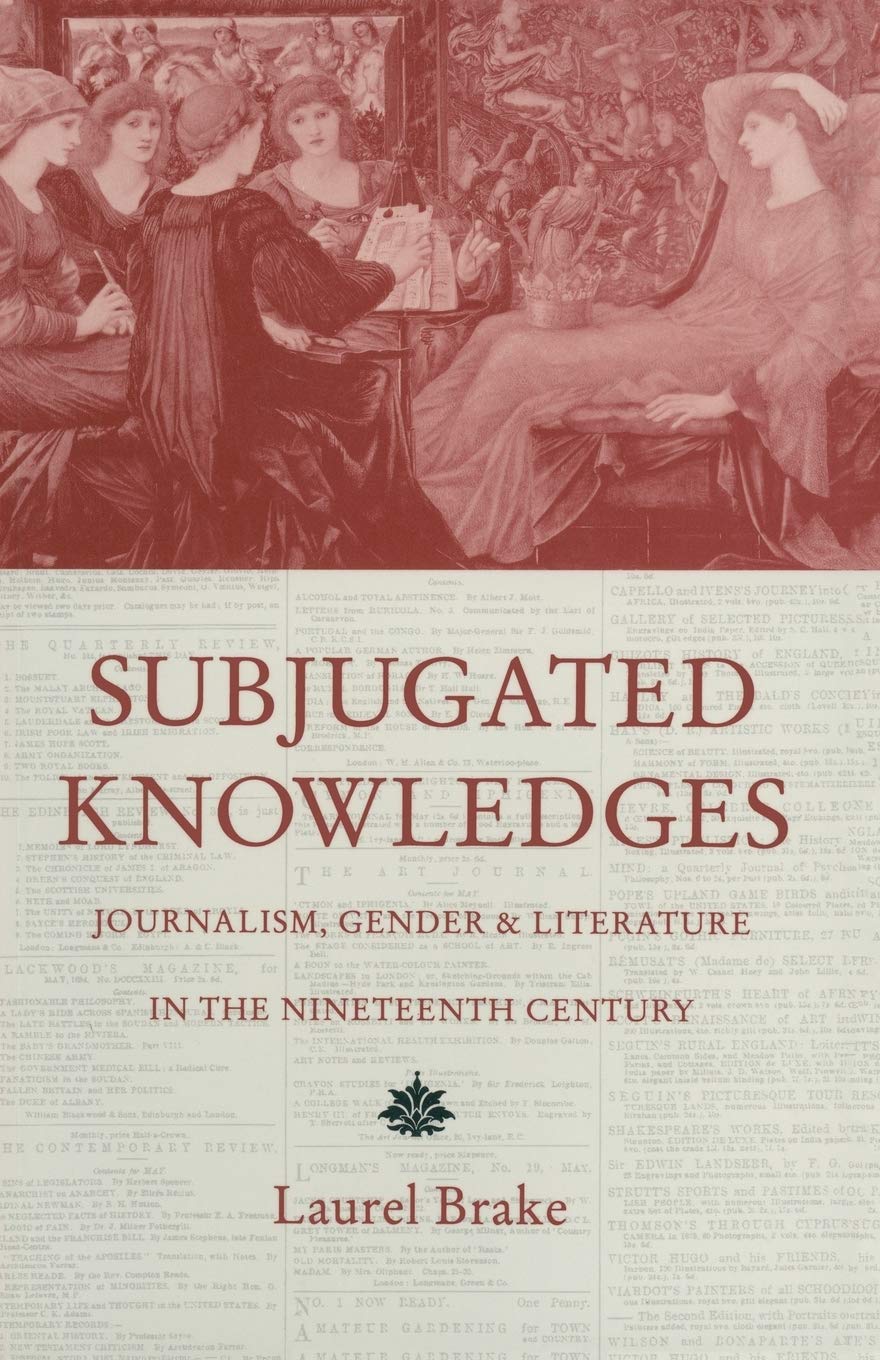
Subjugated Knowledges: Journalism, Gender and Literature Insights
Subjugated Knowledges: Journalism, Gender and Literature Insights
Price subject to change. Tap below for current.
Couldn't load pickup availability
Subjugated Knowledges offers a profound exploration of the intricate relationship between journalism, gender, and literature during the nineteenth century. This scholarly work delves into how these elements interplayed to shape societal narratives and perceptions. The author, Laurel Brake, meticulously examines the role of journalism in reflecting and influencing gender dynamics, making it a vital read for anyone interested in gender studies and media history.
The book is structured to provide a comprehensive analysis of various literary works and journalistic practices of the time. Each chapter presents a unique perspective on how literature served as a platform for challenging traditional gender roles. By analyzing key texts and their authors, Brake highlights the often overlooked contributions of women writers and journalists in shaping public discourse.
One of the standout features of this book is its rigorous research methodology. Brake employs a range of primary sources, including newspapers, magazines, and literary texts, to support her arguments. This approach not only enriches the narrative but also provides readers with a deeper understanding of the historical context. The inclusion of primary sources makes this work an invaluable resource for scholars and students alike.
Moreover, the book addresses the complexities of identity and representation in journalism. Brake argues that the portrayal of women in the media was often fraught with contradictions, reflecting broader societal tensions. By examining these portrayals, readers gain insight into the ways in which media representation can both empower and subjugate individuals.
In addition to its academic rigor, Subjugated Knowledges is also accessible to a broader audience. The writing style is engaging, making it suitable for both scholars and general readers interested in the intersections of gender and literature. Brake's ability to convey complex ideas in a clear and compelling manner is one of the book's greatest strengths.
Furthermore, the book's relevance extends beyond its historical focus. The themes explored in Subjugated Knowledges resonate with contemporary discussions about gender and media. As society continues to grapple with issues of representation and equality, Brake's insights provide a valuable framework for understanding the ongoing challenges faced by women in journalism and literature today.
In conclusion, Subjugated Knowledges: Journalism, Gender and Literature in the Nineteenth Century is a must-read for anyone interested in the evolution of media and its impact on gender. With its thorough research, engaging writing, and timely themes, this book stands out as a significant contribution to the fields of journalism studies and gender history. Whether you are a scholar, student, or simply a curious reader, this book will enrich your understanding of the complex interplay between journalism, gender, and literature.
Share