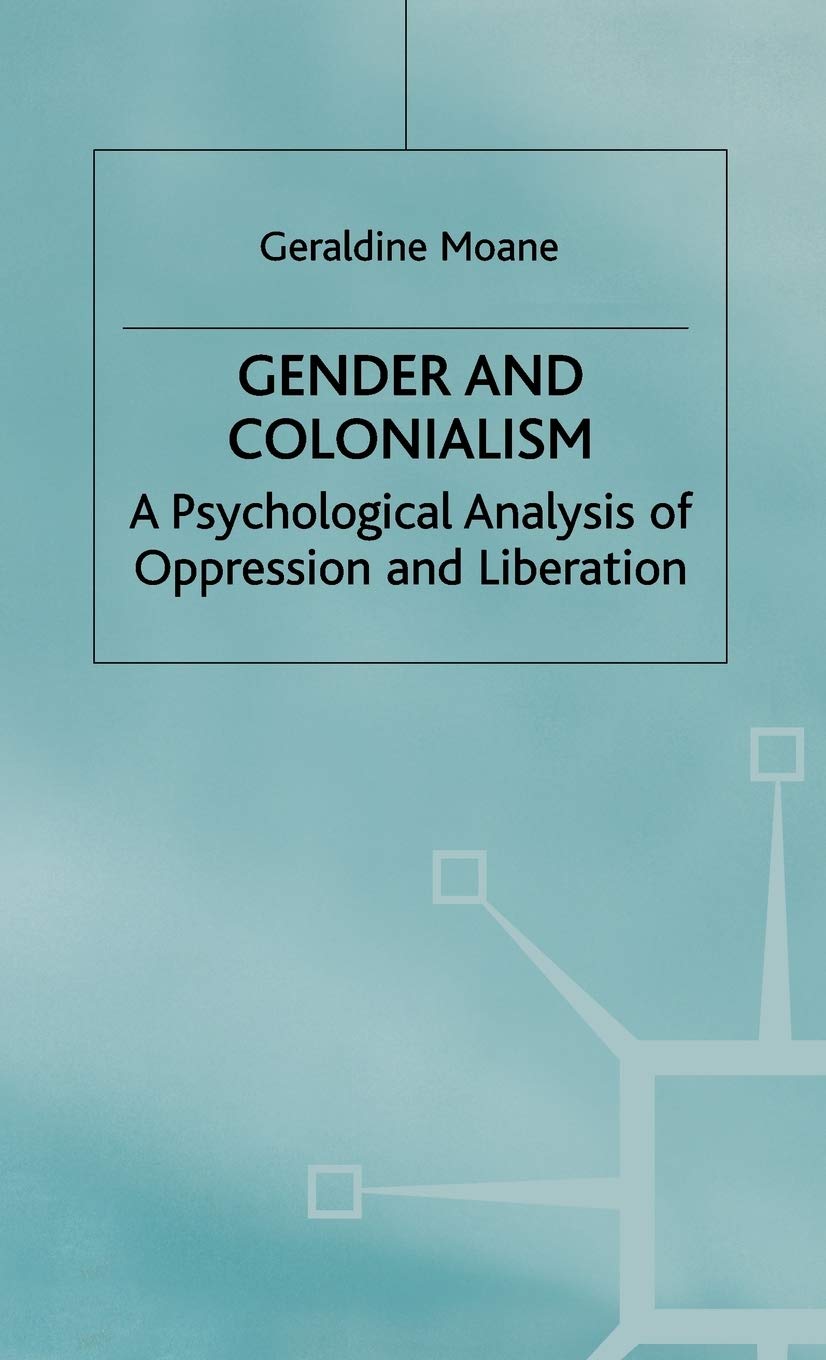
Gender and Colonialism: A Psychological Analysis of Oppression
Gender and Colonialism: A Psychological Analysis of Oppression
Price subject to change. Tap below for current.
Couldn't load pickup availability
The book Gender and Colonialism by Geraldine Moane offers a profound exploration of the intersections between gender and colonialism. This psychological analysis delves into the mechanisms of oppression and liberation, providing readers with a comprehensive understanding of how these forces shape individual and collective identities.
In this insightful work, Moane examines the historical contexts that have led to the marginalization of various groups. The author highlights the role of psychological oppression in maintaining colonial power structures, emphasizing the need for a critical examination of these dynamics. Through a blend of theory and case studies, the book illustrates the complexities of identity formation in colonial settings.
One of the key themes of the book is the impact of colonial legacies on contemporary gender relations. Moane argues that the remnants of colonialism continue to influence societal norms and expectations, perpetuating cycles of oppression. This analysis is crucial for understanding the ongoing struggles faced by marginalized communities in post-colonial societies.
The author also addresses the concept of liberation psychology, advocating for a transformative approach that empowers individuals to reclaim their identities. By integrating psychological insights with feminist theory, Moane provides a framework for resistance against oppressive structures. This perspective is particularly relevant for activists and scholars seeking to challenge the status quo.
Throughout the book, readers will encounter a rich tapestry of narratives that illustrate the lived experiences of those affected by colonialism. Moane's use of case studies brings to life the theoretical concepts discussed, making the material accessible and engaging. These stories serve as powerful reminders of the resilience and agency of individuals in the face of systemic oppression.
Moreover, the book encourages critical reflection on the role of intersectionality in understanding oppression. By considering factors such as race, class, and gender, Moane highlights the multifaceted nature of colonial experiences. This approach not only enriches the analysis but also fosters a deeper empathy for those navigating these complex realities.
In conclusion, Gender and Colonialism is an essential read for anyone interested in the psychological dimensions of oppression and liberation. Geraldine Moane's compelling arguments and thorough research make this book a valuable contribution to the fields of gender studies, psychology, and post-colonial theory. It is a call to action for readers to engage with these critical issues and work towards a more equitable future.
Share