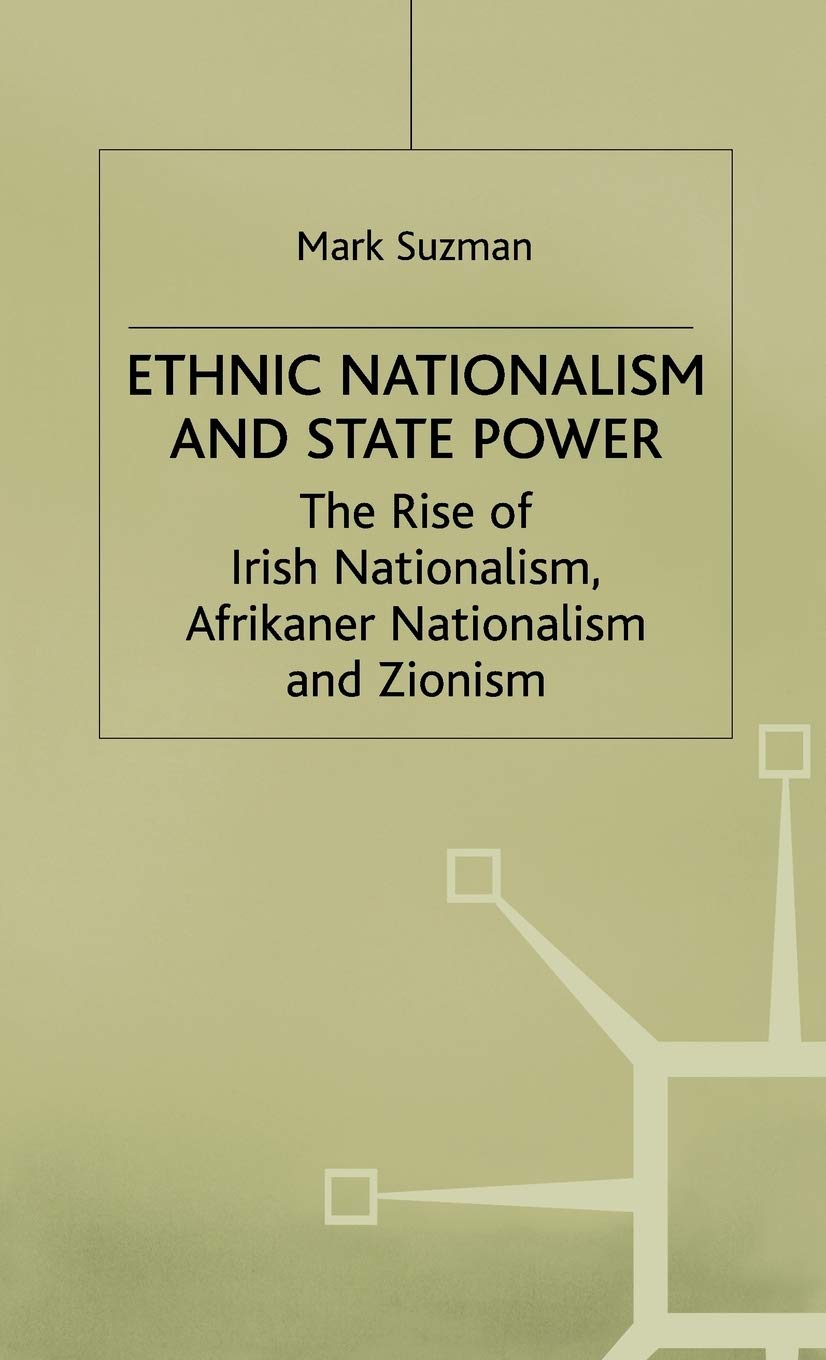
Ethnic Nationalism and State Power: Irish, Afrikaner, and Zionism
Ethnic Nationalism and State Power: Irish, Afrikaner, and Zionism
Price subject to change. Tap below for current.
Couldn't load pickup availability
The book Ethnic Nationalism and State Power by M. Suzman delves into the intricate dynamics of nationalism, focusing on three pivotal movements: Irish nationalism, Afrikaner nationalism, and Zionism. Each of these movements has shaped the political landscape of their respective regions, and this book provides a comprehensive analysis of their rise and impact.
One of the key themes explored in this work is the concept of state power and how it intertwines with ethnic identity. The author meticulously examines how these nationalistic movements have sought to assert their identities in the face of colonialism and oppression. By understanding the historical context, readers can appreciate the motivations behind these movements and their quest for self-determination.
In the case of Irish nationalism, the book highlights the struggle against British rule and the cultural revival that fueled the desire for independence. The narrative is rich with historical events that illustrate the resilience of the Irish people and their unwavering commitment to their national identity. This section serves as a powerful reminder of the role that cultural heritage plays in the formation of national consciousness.
Similarly, the exploration of Afrikaner nationalism sheds light on the complexities of identity in South Africa. The author discusses the origins of Afrikaner identity and how it evolved in response to both internal and external pressures. The rise of apartheid is analyzed as a significant moment in the history of Afrikaner nationalism, showcasing the lengths to which groups will go to preserve their identity and power. This part of the book emphasizes the importance of historical narratives in shaping contemporary political ideologies.
The section on Zionism provides a nuanced understanding of the Jewish national movement and its implications for the Middle East. The author discusses the historical roots of Zionism and its evolution in response to anti-Semitism and the quest for a homeland. This analysis is crucial for understanding the ongoing conflicts in the region and the role of national identity in contemporary geopolitics.
Throughout the book, M. Suzman employs a scholarly yet accessible writing style, making complex theories understandable for a broad audience. The use of case studies and historical examples enriches the narrative, allowing readers to draw parallels between different nationalist movements. The book is not just a historical account; it is a critical examination of how ethnic nationalism continues to influence modern statecraft.
In conclusion, Ethnic Nationalism and State Power is an essential read for anyone interested in the intersections of identity, culture, and politics. It offers valuable insights into the motivations behind nationalist movements and their lasting impact on state power. This book is a significant contribution to the field of political science and will resonate with scholars, students, and general readers alike.
Share