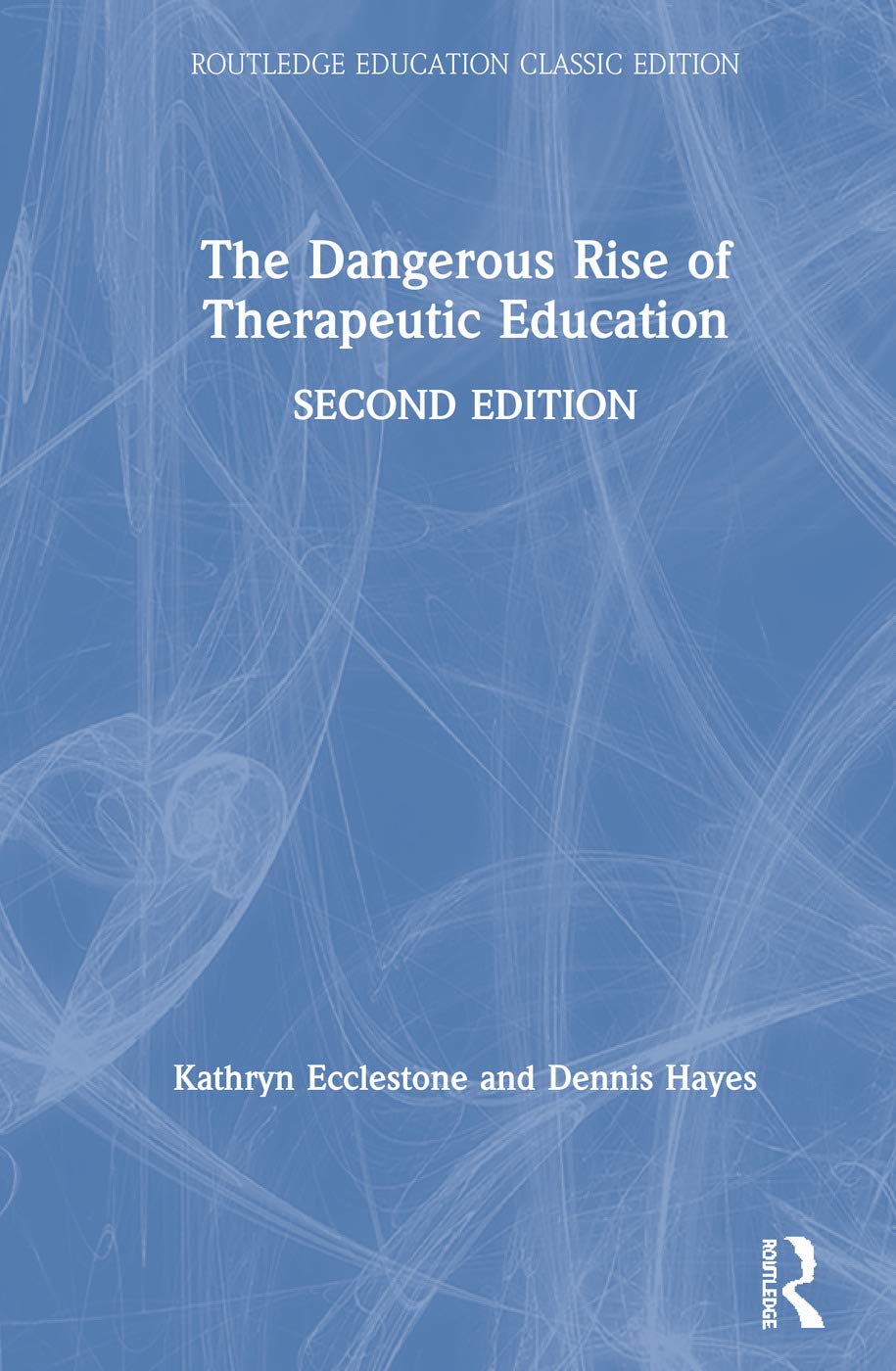
The Dangerous Rise of Therapeutic Education - A Critical Analysis
The Dangerous Rise of Therapeutic Education - A Critical Analysis
Price subject to change. Tap below for current.
Couldn't load pickup availability
The book The Dangerous Rise of Therapeutic Education by Kathryn Ecclestone and Dennis Hayes critically examines the increasing influence of therapeutic practices in educational settings. This insightful work delves into how the focus on emotional well-being and personal development can overshadow traditional academic goals.
In today's educational landscape, the shift towards therapeutic education raises important questions about the role of schools. Are they becoming more about nurturing emotional health than imparting knowledge? This book argues that while emotional support is essential, it should not replace the core mission of education.
Ecclestone and Hayes provide a thorough analysis of the implications of this trend, highlighting the potential dangers of prioritizing therapy over rigorous academic standards. The authors emphasize that therapeutic practices can lead to a dilution of educational content, ultimately affecting students' preparedness for future challenges.
One of the key themes in the book is the impact of therapeutic approaches on student autonomy and critical thinking. The authors argue that an overemphasis on emotional support can create dependency, hindering students' ability to think independently and face adversity. This perspective is crucial for educators and policymakers who must balance emotional support with the need for academic rigor.
Furthermore, the book explores the role of teachers in this evolving landscape. With the rise of therapeutic education, educators are often placed in the position of counselors, which can lead to role confusion and burnout. The authors advocate for clear boundaries between teaching and therapeutic roles to ensure that educators can effectively fulfill their primary responsibilities.
Ecclestone and Hayes also discuss the societal implications of this educational shift. They argue that the focus on emotional well-being can reflect broader cultural trends that prioritize feelings over facts. This perspective invites readers to consider how therapeutic education aligns with or contradicts the values of a well-rounded education.
In conclusion, The Dangerous Rise of Therapeutic Education is a thought-provoking examination of a critical issue in modern education. It challenges readers to reflect on the balance between emotional support and academic achievement, making it a must-read for educators, administrators, and policymakers alike. This book serves as a vital resource for anyone interested in understanding the complexities of contemporary educational practices.
Share