Memory and Sexual Misconduct: A Comprehensive Analysis
Memory and Sexual Misconduct: A Comprehensive Analysis
Price subject to change. Tap below for current.
Couldn't load pickup availability
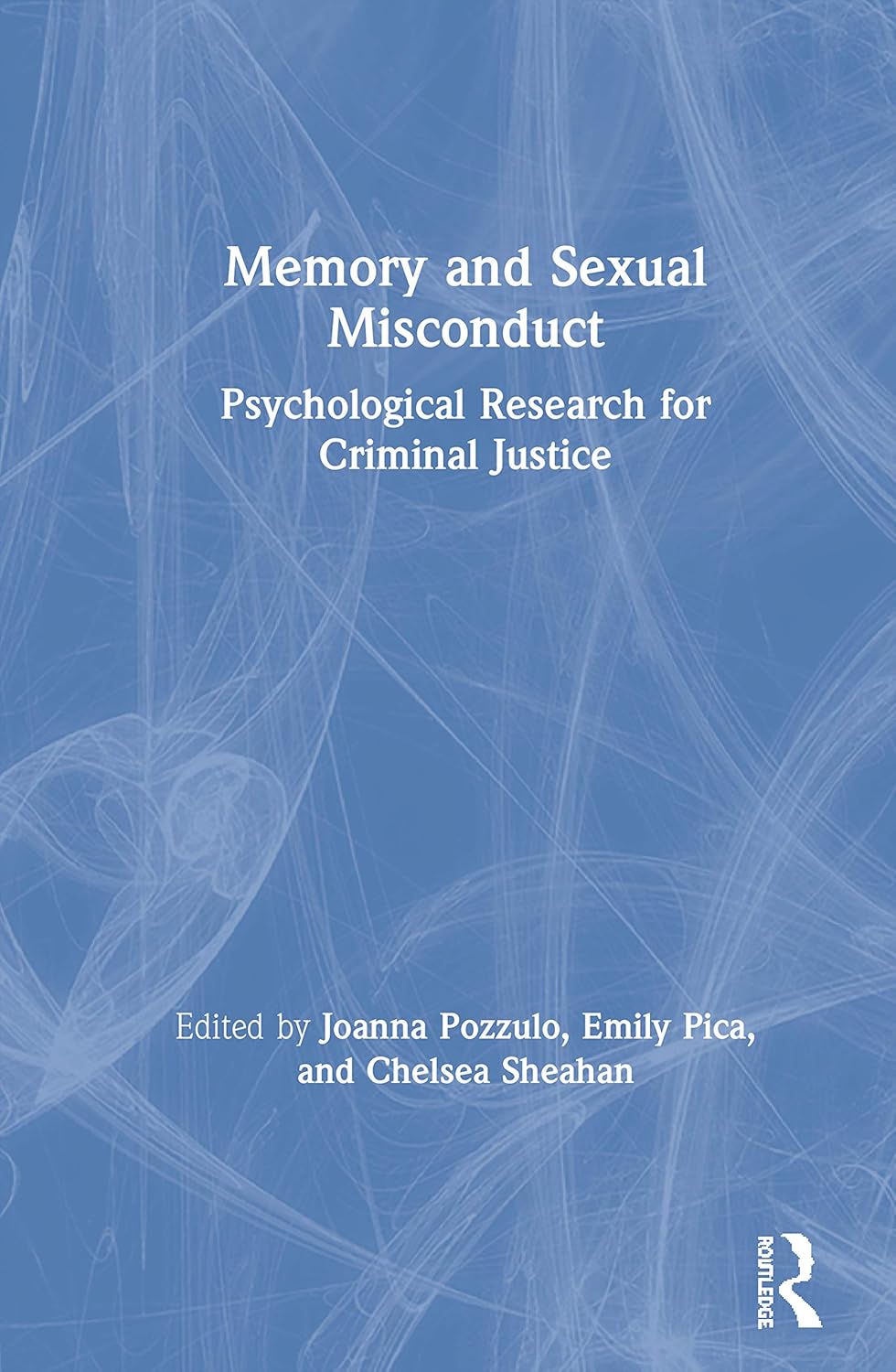
The book Memory and Sexual Misconduct by Emily Pica, Chelsea Sheahan, and Joanna Pozzulo offers a profound exploration into the intricate relationship between memory and sexual misconduct. This insightful work delves into how memory can influence perceptions and experiences of sexual misconduct, making it a crucial read for those interested in psychology, law, and social justice.
One of the standout features of this book is its thorough examination of how memory affects testimonies. The authors present compelling evidence and case studies that illustrate the complexities of human memory, particularly in high-stress situations such as sexual assault. This aspect is vital for understanding the challenges faced by survivors when recounting their experiences.
Additionally, the authors discuss the implications of misremembering events and how this can impact legal proceedings. The book emphasizes the importance of accurate memory recall in the context of sexual misconduct cases, shedding light on the potential consequences of false memories and the reliability of eyewitness accounts.
Another significant theme in Memory and Sexual Misconduct is the societal perception of victims and perpetrators. The authors analyze how cultural narratives shape our understanding of sexual misconduct and the role memory plays in these narratives. This critical perspective encourages readers to reflect on their own biases and assumptions regarding sexual violence.
The book is not only academic but also accessible, making it suitable for a wide audience. The authors have successfully balanced rigorous research with engaging writing, ensuring that readers remain captivated throughout. Each chapter is meticulously structured, allowing for a clear progression of ideas and arguments.
Moreover, the inclusion of practical recommendations for improving memory recall in legal settings is particularly noteworthy. The authors provide strategies that can be employed by legal professionals to enhance the accuracy of testimonies, ultimately aiming to support survivors in their pursuit of justice.
In conclusion, Memory and Sexual Misconduct is an essential contribution to the fields of psychology and law. It challenges readers to reconsider their understanding of memory in the context of sexual misconduct and encourages a more nuanced discussion about the implications of memory on justice. This book is a must-read for anyone interested in the intersection of memory, law, and social issues.
Share