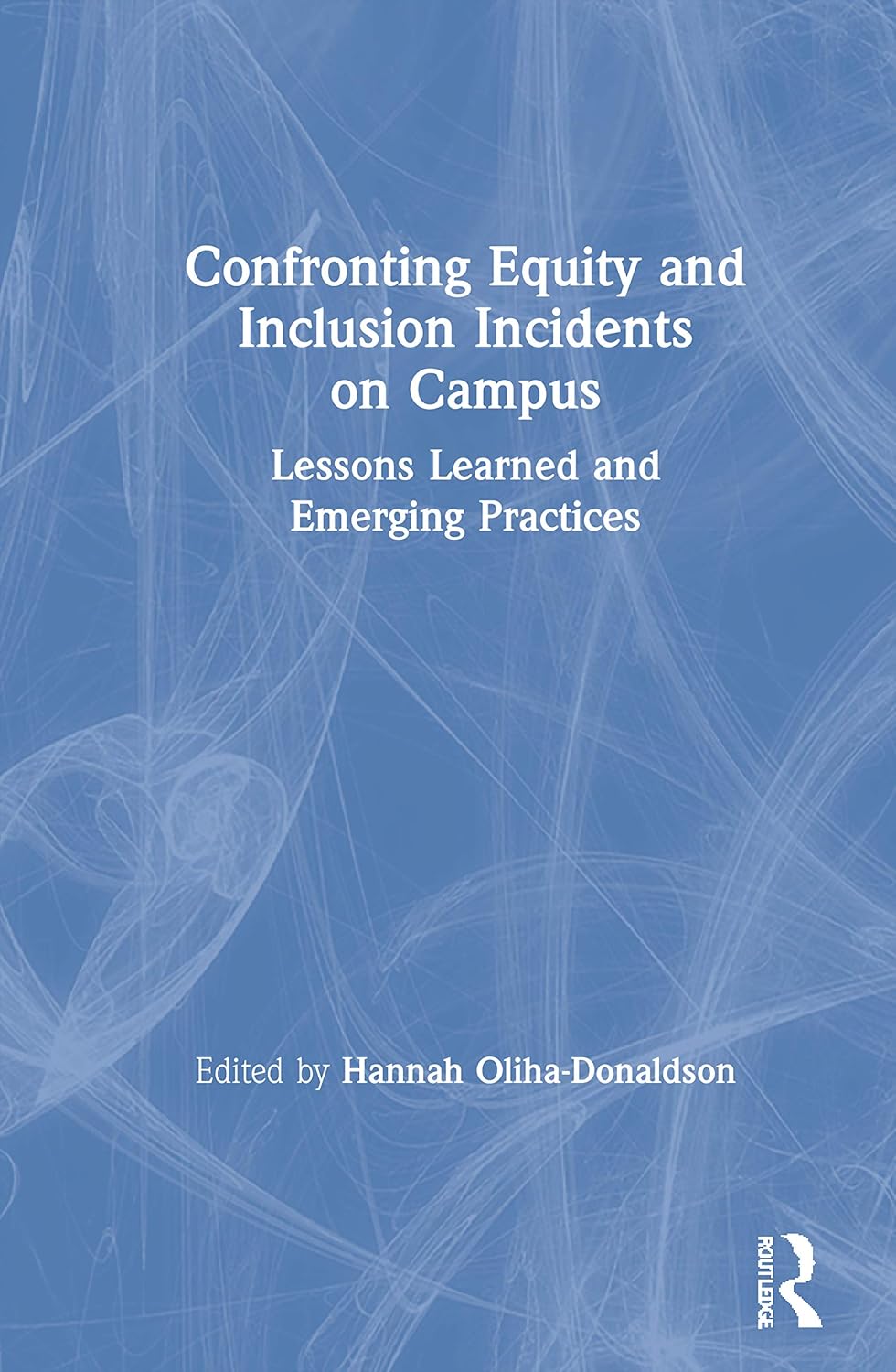
Confronting Equity and Inclusion Incidents on Campus: A Guide
Confronting Equity and Inclusion Incidents on Campus: A Guide
Price subject to change. Tap below for current.
Couldn't load pickup availability
In today's diverse educational landscape, addressing equity and inclusion incidents on campus is crucial for fostering a safe and supportive environment. This comprehensive guide, authored by Hannah Oliha-Donaldson, provides invaluable insights into the complexities of these issues, making it an essential resource for educators, administrators, and students alike.
The book delves into the various forms of equity incidents that can occur in academic settings, including microaggressions, discrimination, and systemic biases. By understanding these challenges, readers can better equip themselves to respond effectively and create a more inclusive atmosphere.
One of the standout features of this guide is its practical approach. It offers actionable strategies for confronting inclusion incidents head-on. From developing awareness to implementing effective policies, the book serves as a roadmap for institutions aiming to improve their response to equity challenges.
Moreover, the author emphasizes the importance of community engagement in addressing these issues. By fostering open dialogues and encouraging collaboration among students, faculty, and staff, campuses can cultivate a culture of inclusivity and respect.
Throughout the text, readers will find real-life case studies that illustrate the impact of equity and inclusion initiatives. These examples not only highlight successful interventions but also provide a framework for understanding the nuances of different situations.
In addition, the book discusses the role of leadership in promoting equity. Effective leaders are vital in setting the tone for inclusive practices and ensuring that all voices are heard. This guide offers insights into how leaders can champion these values within their institutions.
Confronting Equity and Inclusion Incidents on Campus is not just a theoretical exploration; it is a call to action. The author encourages readers to reflect on their own experiences and consider how they can contribute to a more equitable educational environment. With its engaging writing style and practical advice, this guide is sure to resonate with anyone committed to making a difference.
In conclusion, this book is a must-read for those looking to deepen their understanding of equity and inclusion in educational settings. It empowers readers with the knowledge and tools necessary to confront incidents effectively and promote a culture of belonging on campus.
Share