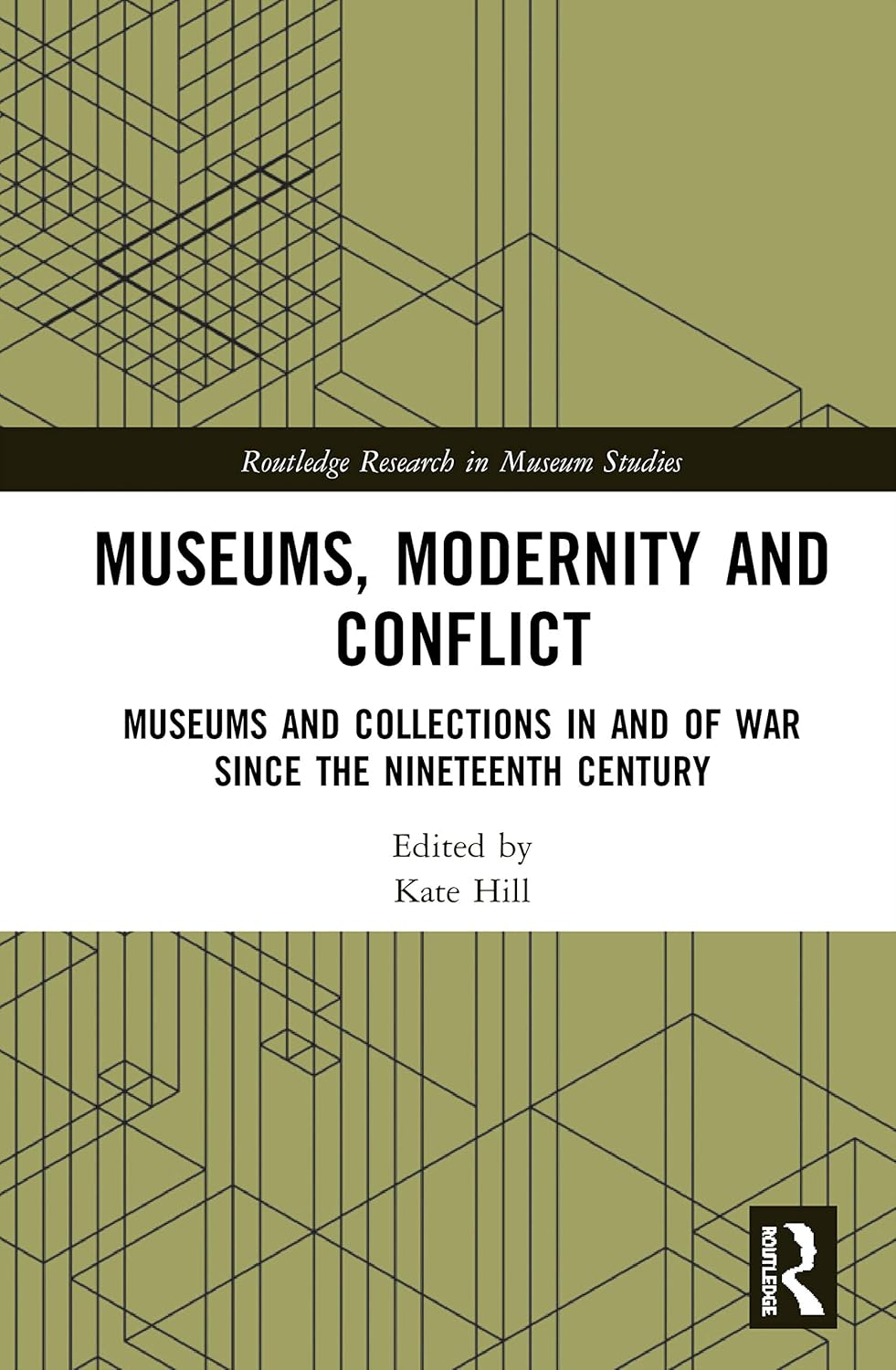
Museums, Modernity and Conflict: A Deep Dive into Cultural Dynamics
Museums, Modernity and Conflict: A Deep Dive into Cultural Dynamics
Price subject to change. Tap below for current.
Couldn't load pickup availability
The book Museums, Modernity and Conflict offers an insightful exploration into the evolving role of museums in contemporary society. It delves into how these institutions navigate the complexities of modernity while addressing issues of conflict and cultural representation.
In this compelling read, author Kate Hill examines the intersection of modernity and museum practices, highlighting how museums have transformed in response to societal changes. The text is rich with case studies that illustrate the dynamic relationship between museums and the communities they serve.
One of the key themes of the book is the impact of conflict on museum narratives. Hill discusses how museums can either perpetuate or challenge dominant historical narratives, making it essential for curators and educators to engage critically with their collections.
The author also emphasizes the importance of cultural representation in museums, advocating for a more inclusive approach that reflects diverse perspectives. This is particularly relevant in today's globalized world, where museums are increasingly seen as platforms for dialogue and understanding.
Throughout the book, Hill provides a thorough analysis of the challenges faced by museums in the 21st century, including issues of accessibility and audience engagement. She argues that museums must adapt to remain relevant and serve as spaces for learning and reflection.
Moreover, the text addresses the role of technology in shaping the future of museums. With the rise of digital media, museums have the opportunity to reach wider audiences and create more interactive experiences. Hill explores how digital innovation can enhance visitor engagement and broaden the scope of museum education.
In conclusion, Museums, Modernity and Conflict is a vital resource for anyone interested in the future of museums and their role in society. It challenges readers to rethink the purpose of museums and consider how they can contribute to a more equitable and just world.
Share