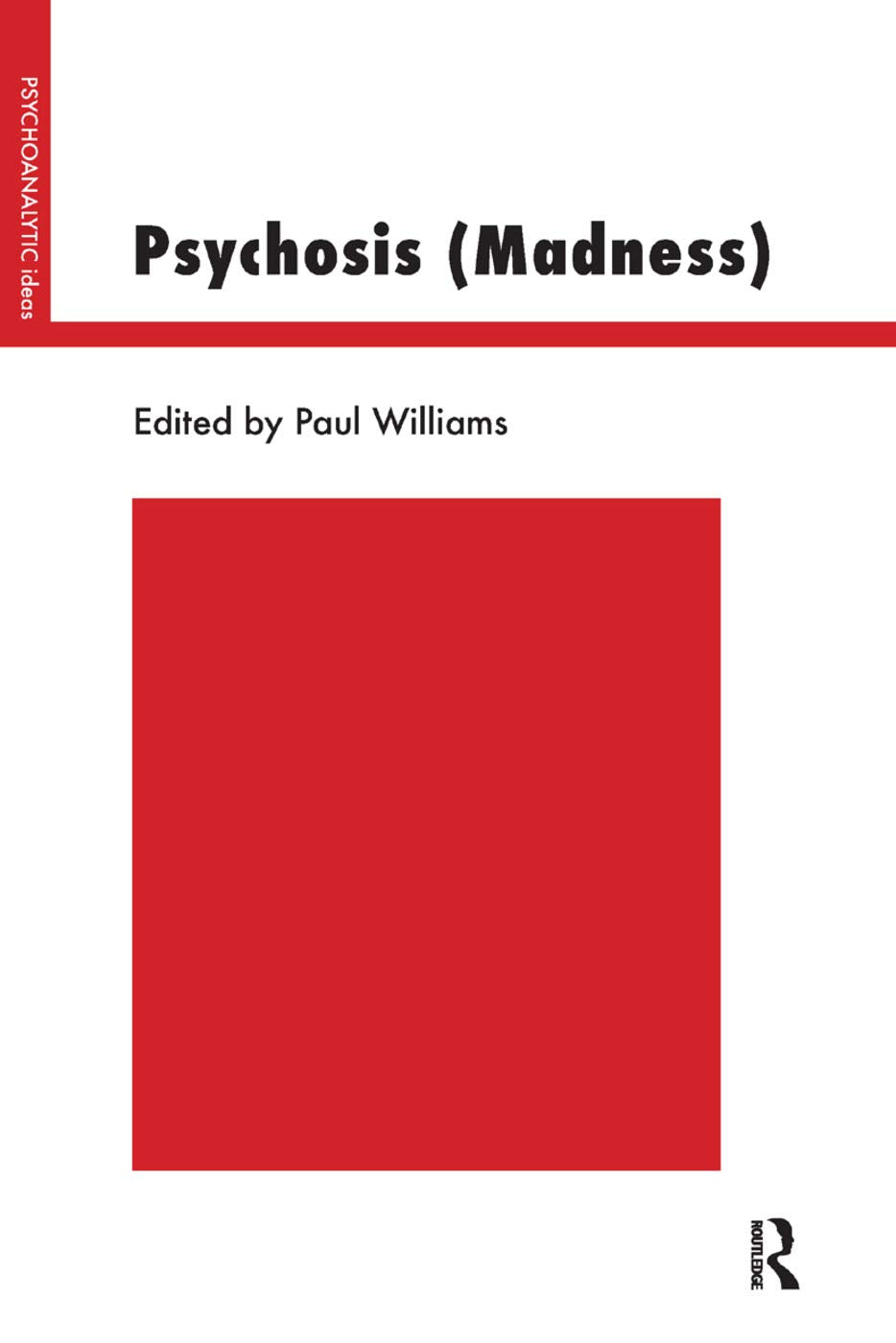
Psychosis (Madness) Insights from The Psychoanalytic Ideas Series
Psychosis (Madness) Insights from The Psychoanalytic Ideas Series
Price subject to change. Tap below for current.
Couldn't load pickup availability
The book Psychosis (Madness) from The Psychoanalytic Ideas Series offers a profound exploration into the complexities of mental health. Authored by Paul Williams, this work delves into the intricate relationship between psychosis and the human psyche, making it an essential read for anyone interested in psychology.
In this enlightening text, Williams presents a comprehensive analysis of psychotic disorders, examining their roots and manifestations. The author draws on various psychoanalytic theories to provide a nuanced understanding of how madness can affect individuals and their relationships with others.
One of the standout features of this book is its ability to bridge the gap between theory and practice. Williams skillfully integrates clinical examples with theoretical frameworks, allowing readers to grasp the real-world implications of psychoanalytic concepts. This approach not only enriches the reader's understanding but also enhances their ability to apply these ideas in therapeutic settings.
Throughout the chapters, the author emphasizes the importance of empathy and understanding in treating those who experience psychosis. By highlighting the subjective experiences of individuals, Williams encourages mental health professionals to adopt a more compassionate approach to care.
The book also addresses the stigma surrounding mental illness, advocating for a shift in societal perceptions of madness. Williams argues that by fostering a deeper understanding of psychosis, we can create a more supportive environment for those affected by these conditions.
Readers will appreciate the clarity of Williams' writing style, which makes complex ideas accessible to a broad audience. Whether you are a student of psychology, a practicing clinician, or simply someone interested in mental health, Psychosis (Madness) offers valuable insights that are both thought-provoking and practical.
In conclusion, this book is a vital contribution to the field of psychoanalysis and mental health. It not only enriches our understanding of psychotic experiences but also serves as a call to action for greater compassion and awareness in our approach to mental illness. Paul Williams has crafted a work that is sure to resonate with readers and inspire further exploration into the depths of the human mind.
Share