Exploring Networked Urban Mobilities: Theories and Concepts
Exploring Networked Urban Mobilities: Theories and Concepts
Price subject to change. Tap below for current.
Couldn't load pickup availability
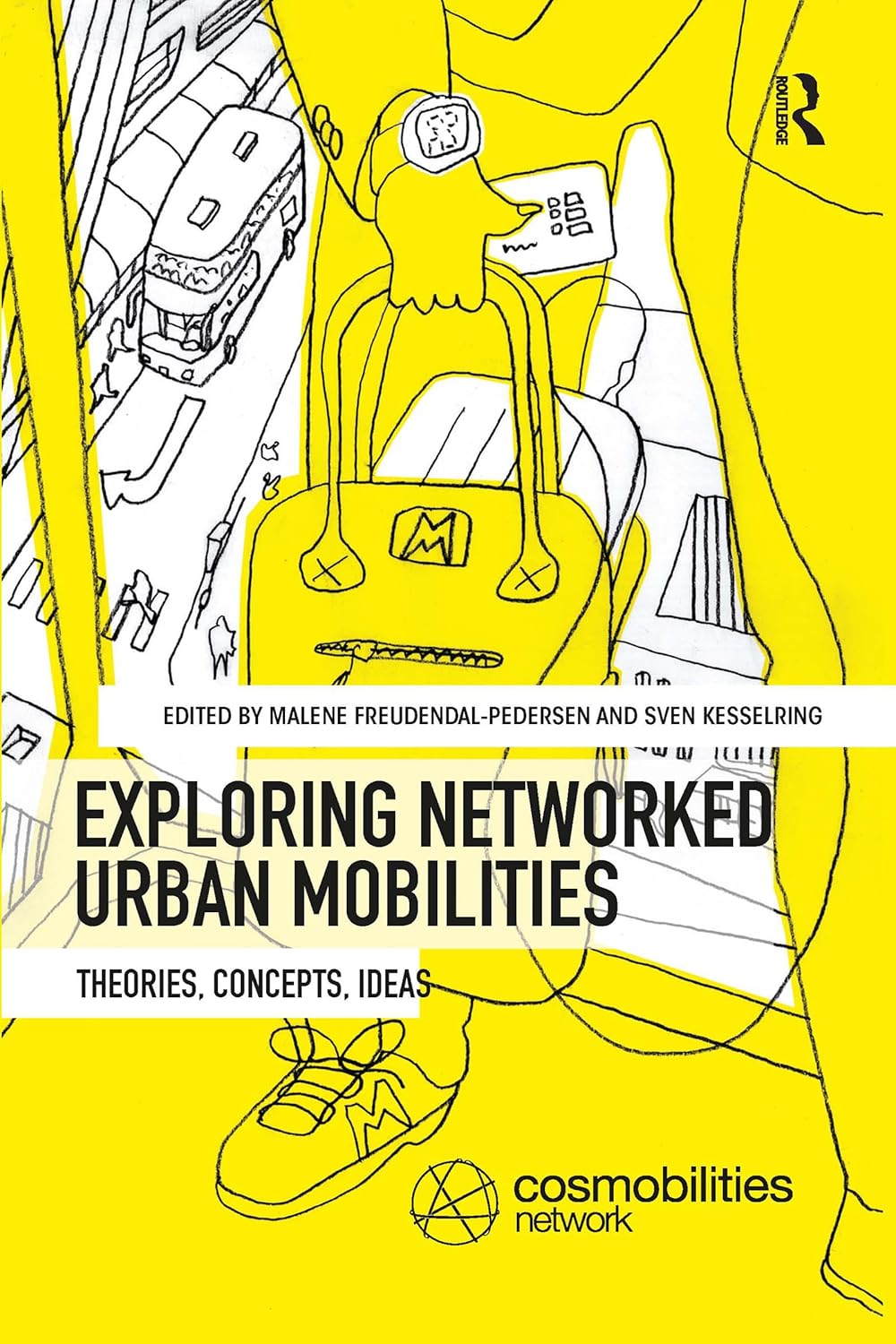
The book Exploring Networked Urban Mobilities delves into the intricate theories and concepts surrounding urban mobility in the modern age. Authored by Malene Freudendal-Pedersen and Sven Kesselring, this insightful work provides a comprehensive analysis of how urban environments are evolving in response to technological advancements and societal changes.
In today's fast-paced world, understanding networked urban mobilities is crucial for urban planners, policymakers, and researchers alike. This book offers a unique perspective on the interconnectedness of transportation systems, social networks, and urban spaces. It emphasizes the importance of integrating various modes of transport to create a seamless experience for users.
One of the standout features of this publication is its exploration of the theoretical frameworks that underpin urban mobility. The authors meticulously dissect existing theories and propose new concepts that challenge traditional views. This critical approach encourages readers to rethink their understanding of mobility and its implications for urban life.
The book also addresses the impact of digital technologies on urban mobility. With the rise of smart cities, the authors examine how digital innovations are reshaping transportation systems. From ride-sharing apps to autonomous vehicles, the implications of these technologies are discussed in detail, providing readers with a forward-looking perspective.
Furthermore, the authors highlight the significance of sustainability in urban mobility. They argue that future urban transport solutions must prioritize environmental considerations to mitigate the effects of climate change. This focus on sustainability is not only timely but essential for creating livable urban spaces.
In addition to theoretical insights, the book is rich with case studies that illustrate the practical applications of the discussed concepts. These real-world examples serve to ground the theories in reality, making them accessible and relatable to a broader audience. Readers will find valuable lessons from cities around the globe that are navigating the challenges of urban mobility.
Overall, Exploring Networked Urban Mobilities is an essential read for anyone interested in the future of urban transport. Its blend of theory, practical insights, and case studies makes it a comprehensive resource for understanding the complexities of urban mobility in a networked world. Whether you are a student, a professional, or simply curious about the topic, this book will equip you with the knowledge needed to engage with the evolving landscape of urban mobility.
Share