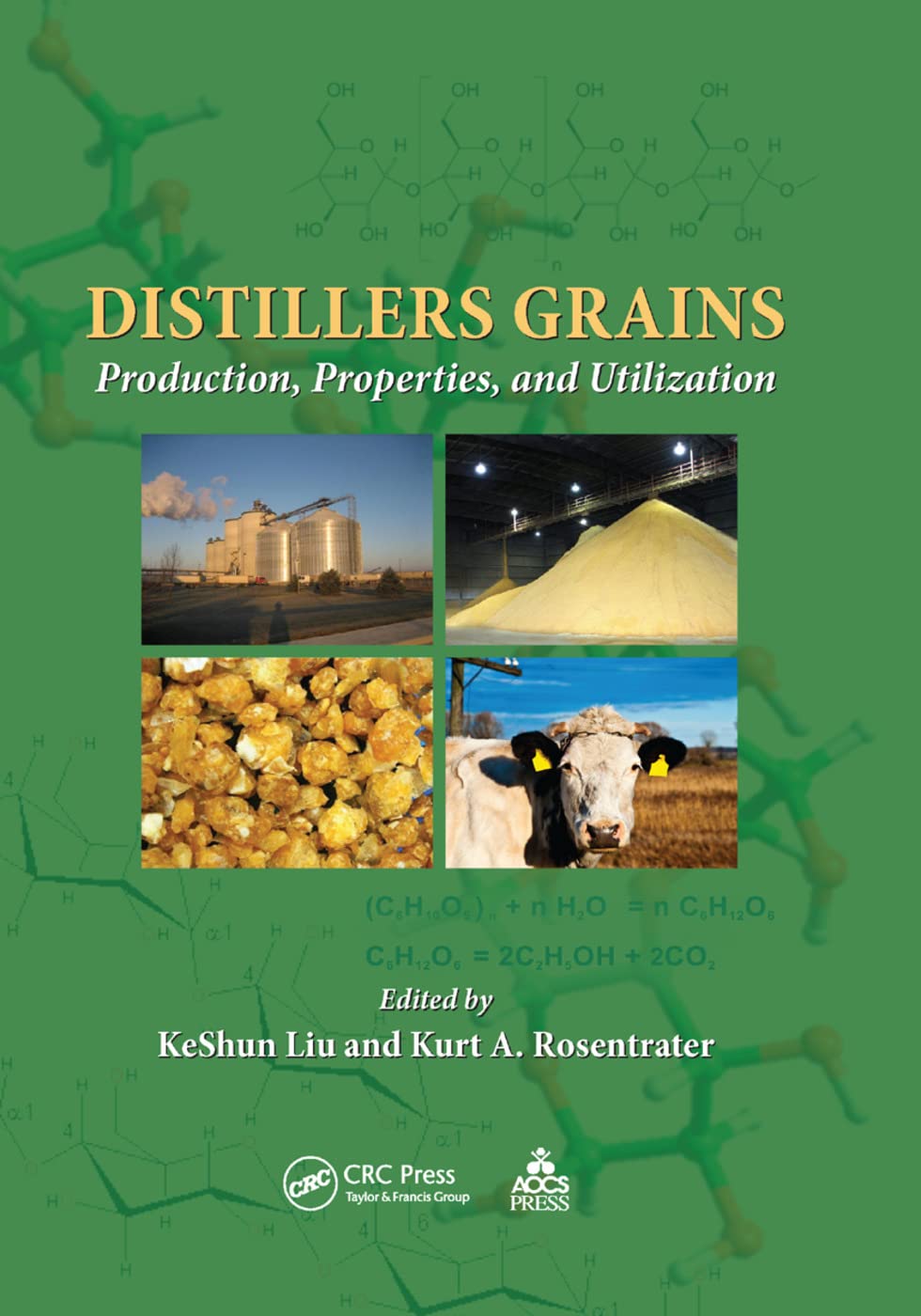
Distillers Grains: Production, Properties, and Utilization Guide
Distillers Grains: Production, Properties, and Utilization Guide
Price subject to change. Tap below for current.
Couldn't load pickup availability
Distillers grains are a vital byproduct of the ethanol production process, and understanding their production is essential for maximizing their benefits. This comprehensive guide delves into the various aspects of distillers grains, including their nutritional properties and potential applications in animal feed.
The book outlines the different types of distillers grains, such as wet and dry forms, and discusses their nutritional value. With a focus on the composition of these grains, readers will learn how to effectively utilize them in livestock diets to enhance growth and productivity.
One of the key features of this guide is its exploration of the properties of distillers grains. The authors provide detailed insights into the chemical makeup of these grains, which is crucial for understanding their role in animal nutrition. This knowledge is particularly beneficial for farmers and feed manufacturers looking to optimize their feed formulations.
In addition to production and properties, the book addresses the utilization of distillers grains in various agricultural settings. It highlights best practices for incorporating these grains into feed rations, ensuring that livestock receive a balanced diet that promotes health and performance.
The authors also discuss the economic implications of using distillers grains, emphasizing their cost-effectiveness as a feed ingredient. By utilizing these byproducts, farmers can reduce feed costs while maintaining high-quality nutrition for their animals. This aspect is particularly relevant in today's market, where feed prices can fluctuate significantly.
Furthermore, the guide includes case studies and practical examples that illustrate the successful application of distillers grains in real-world scenarios. These examples serve as valuable references for those looking to implement similar strategies in their operations.
Overall, this book is an indispensable resource for anyone involved in the production or utilization of distillers grains. Its thorough examination of the production processes, nutritional properties, and practical applications makes it a must-have for farmers, nutritionists, and feed manufacturers alike. Whether you are new to the field or seeking to expand your knowledge, this guide will equip you with the information needed to make informed decisions regarding distillers grains.
Share