Regular price
$169.75 USD
Price subject to change. Tap below for current.
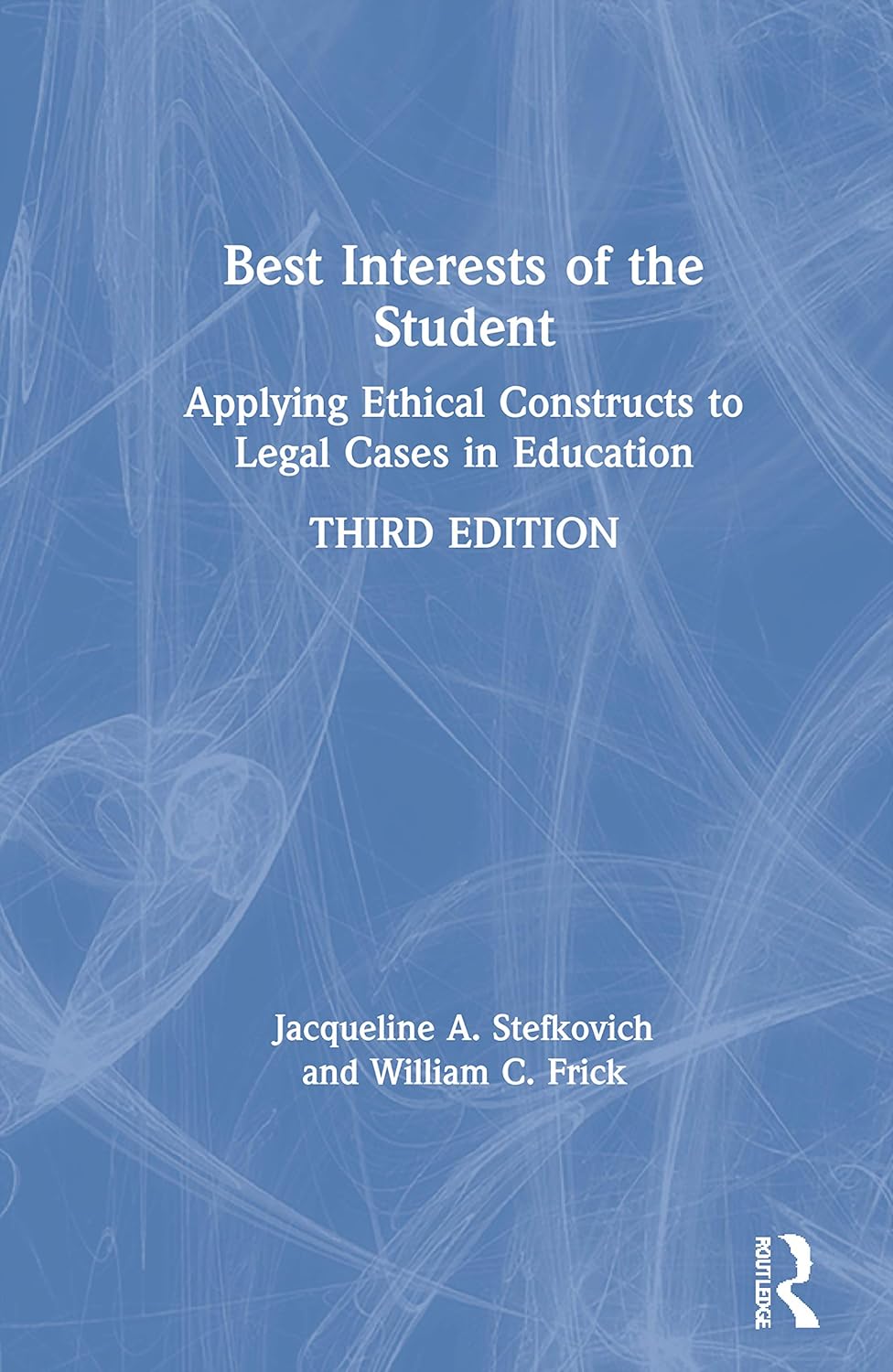
The book Best Interests of the Student by Jacqueline A. Stefkovich and William C. Frick offers a profound exploration into the ethical and legal considerations surrounding education. This insightful guide is essential for educators, administrators, and policymakers who strive to prioritize student welfare in their decision-making processes.
In today's complex educational landscape, understanding the best interests of students is crucial. This book delves into various case studies and real-world scenarios that illustrate the challenges faced by educators in balancing legal obligations with ethical responsibilities. The authors provide a framework for navigating these dilemmas, ensuring that student needs remain at the forefront.
One of the standout features of this book is its emphasis on the importance of ethical decision-making. Stefkovich and Frick argue that educators must not only be aware of the laws governing education but also the ethical implications of their actions. By fostering a culture of ethical awareness, schools can create environments that truly support student growth and development.
The authors also highlight the role of collaboration among stakeholders in achieving the best outcomes for students. Engaging parents, community members, and other stakeholders in the educational process is vital for creating a supportive network that enhances student success. This collaborative approach is thoroughly examined, providing readers with practical strategies for implementation.
Moreover, the book addresses the significance of equity in education. Stefkovich and Frick emphasize that all students deserve equal access to quality education, regardless of their background. They discuss various policies and practices that can help bridge the gap and ensure that every student's needs are met.
Throughout the text, readers will find a wealth of resources, including discussion questions and practical applications, making it an invaluable tool for professional development. The authors encourage educators to reflect on their practices and consider how they can better serve their students. This reflective approach is essential for fostering a culture of continuous improvement in schools.
In conclusion, Best Interests of the Student is a must-read for anyone involved in education. Its comprehensive analysis of ethical and legal considerations, combined with practical strategies for implementation, makes it an essential resource for educators committed to putting students first. Whether you are a seasoned educator or new to the field, this book will inspire you to think critically about your role in shaping the future of education.