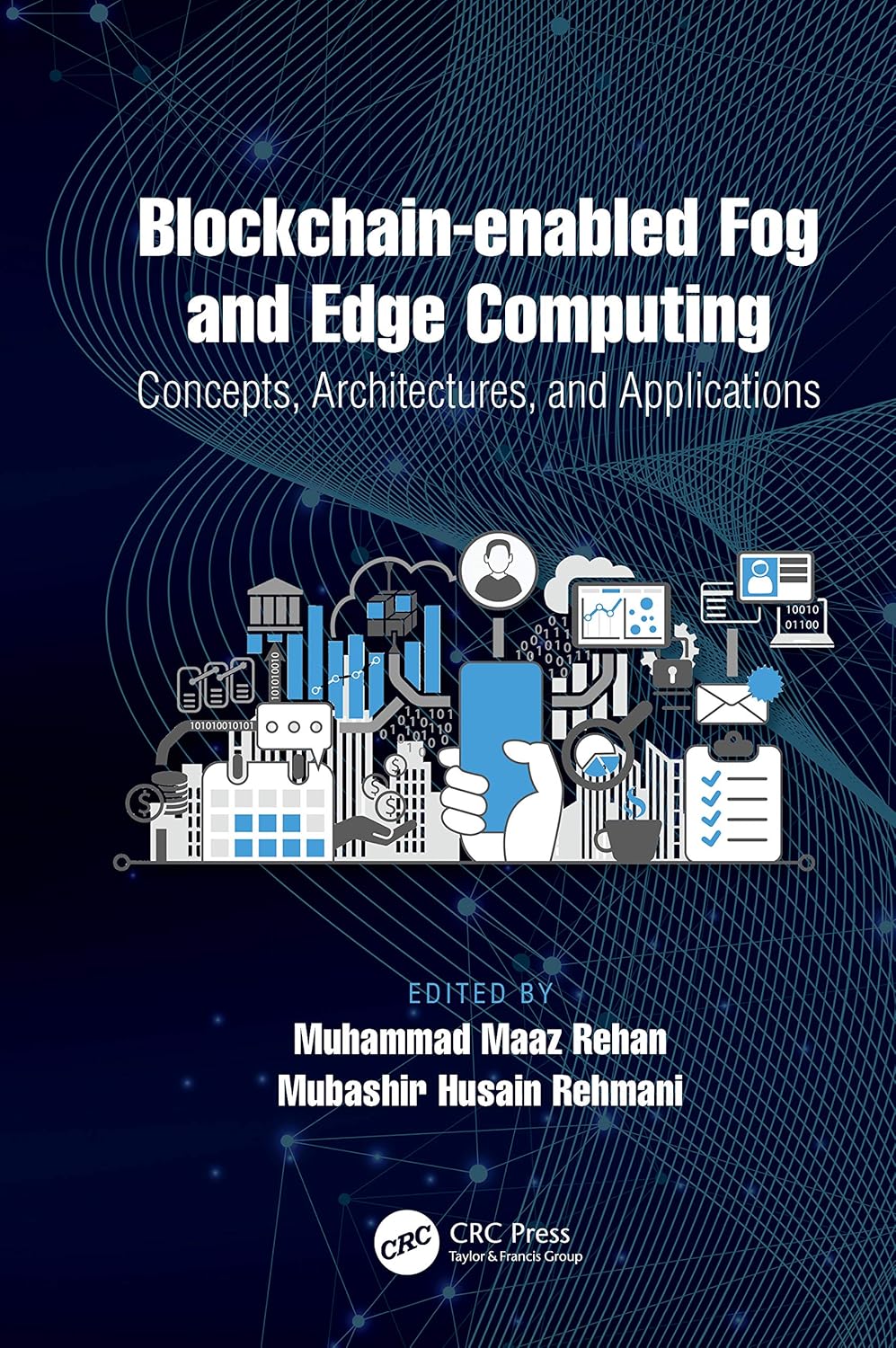
Blockchain-enabled Fog and Edge Computing: Concepts and Applications
Blockchain-enabled Fog and Edge Computing: Concepts and Applications
Price subject to change. Tap below for current.
Couldn't load pickup availability
The book Blockchain-enabled Fog and Edge Computing offers a comprehensive exploration of the innovative concepts and architectures that are shaping the future of computing. With the rapid evolution of technology, this text delves into the integration of blockchain technology with fog and edge computing, providing readers with a solid foundation in these critical areas.
In the first section, the authors introduce the fundamental principles of fog computing and its significance in the modern digital landscape. They explain how fog computing extends cloud capabilities to the edge of the network, enabling faster data processing and reduced latency. This is particularly crucial for applications that require real-time data analysis, such as IoT devices and smart cities.
As the book progresses, it highlights the role of edge computing in enhancing the efficiency of data management. The authors discuss various architectures that support edge computing, emphasizing their importance in optimizing resource utilization and improving overall system performance. Readers will gain insights into how these architectures can be implemented in real-world scenarios.
One of the standout features of this book is its focus on the applications of blockchain technology in fog and edge computing. The authors provide numerous case studies that illustrate how blockchain can enhance security, transparency, and trust in distributed systems. This is particularly relevant in sectors such as healthcare, finance, and supply chain management, where data integrity is paramount.
The book also addresses the challenges associated with implementing blockchain solutions in fog and edge environments. The authors discuss potential obstacles such as scalability, interoperability, and energy consumption, offering practical solutions and strategies to overcome these issues. This makes the book not only informative but also a valuable resource for practitioners looking to implement these technologies.
Furthermore, the authors explore future trends in fog and edge computing, providing readers with a glimpse into the evolving landscape of technology. They discuss the potential impact of emerging technologies such as artificial intelligence and machine learning on fog and edge computing, making this book a forward-looking resource.
In conclusion, Blockchain-enabled Fog and Edge Computing is an essential read for anyone interested in understanding the intersection of blockchain technology with modern computing paradigms. Whether you are a student, researcher, or industry professional, this book equips you with the knowledge and insights needed to navigate the complexities of these transformative technologies.
Share