China's Maritime Boundaries in the South China Sea Explained
China's Maritime Boundaries in the South China Sea Explained
Price subject to change. Tap below for current.
Couldn't load pickup availability
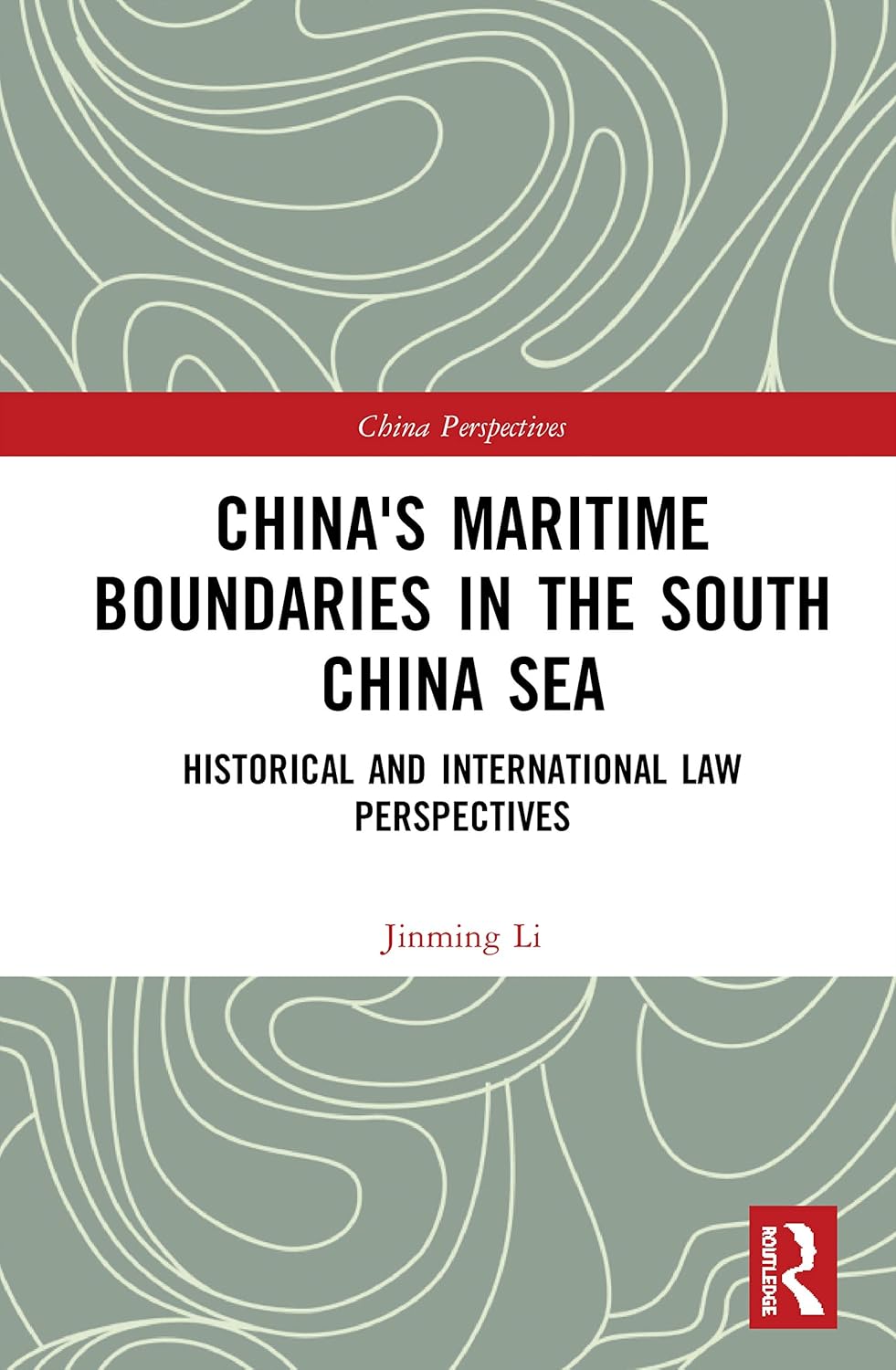
China's maritime boundaries in the South China Sea have been a topic of intense debate and scrutiny. This comprehensive book delves into the historical and international law perspectives that shape these boundaries. It provides readers with a thorough understanding of the complex legal frameworks that govern maritime claims in this strategically significant region.
The author, Jinming Li, expertly navigates through the intricate history of China's claims, offering insights into how historical events have influenced current maritime boundaries. The book emphasizes the importance of understanding the historical context behind these claims, which is crucial for grasping the ongoing disputes in the South China Sea.
One of the standout features of this work is its detailed analysis of international law as it pertains to maritime boundaries. The author discusses key treaties and conventions that play a vital role in determining the legitimacy of various claims. By examining the international legal frameworks, readers can appreciate the complexities involved in resolving disputes over maritime territories.
This book is not just for legal scholars; it is also accessible to general readers interested in geopolitics and international relations. The clear and concise writing style makes it easy to follow the intricate arguments presented. The inclusion of maps and diagrams further enhances the reader's understanding of China's maritime claims and their implications for regional stability.
Moreover, the book addresses the implications of these maritime boundaries on regional security and international relations. It highlights how the South China Sea is a focal point for geopolitical tensions, involving not only China but also neighboring countries and global powers. The discussion on regional security dynamics provides valuable insights into the broader implications of maritime disputes.
In addition to its academic rigor, the book is enriched with case studies that illustrate real-world applications of the legal principles discussed. These case studies serve as practical examples of how international law is applied in the context of maritime disputes, making the content relatable and engaging.
Overall, China's Maritime Boundaries in the South China Sea is an essential read for anyone looking to understand the historical and legal aspects of this contentious issue. Whether you are a student, a researcher, or simply a curious reader, this book offers a wealth of knowledge and perspectives that are crucial for navigating the complexities of maritime law and international relations.
Share