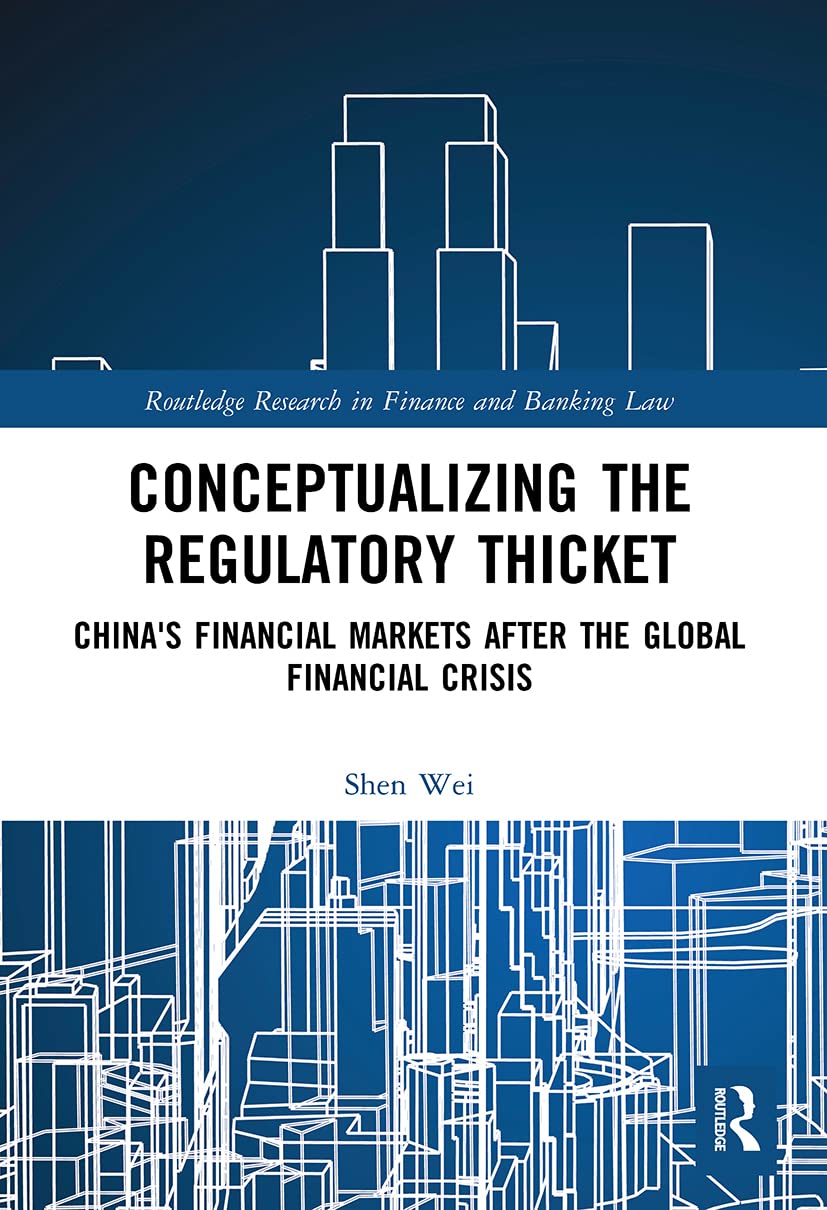
Conceptualizing the Regulatory Thicket in China's Financial Markets
Conceptualizing the Regulatory Thicket in China's Financial Markets
Price subject to change. Tap below for current.
Couldn't load pickup availability
The book Conceptualizing the Regulatory Thicket offers an in-depth analysis of China's financial markets in the aftermath of the Global Financial Crisis. It explores the complex regulatory environment that has emerged, highlighting the challenges and opportunities faced by investors and policymakers alike.
In recent years, China's financial landscape has undergone significant transformation. This book delves into the intricacies of these changes, providing a comprehensive overview of the regulatory frameworks that govern the sector. The author, Shen Wei, presents a thorough examination of the financial regulations that have been implemented to stabilize the economy and promote sustainable growth.
One of the key themes of the book is the impact of global financial trends on China's domestic policies. The author argues that understanding the interplay between global and local regulations is crucial for navigating the current financial environment. By analyzing various case studies, readers will gain insights into how international standards influence China's regulatory practices.
The book also addresses the role of government institutions in shaping financial regulations. Shen Wei emphasizes the importance of effective governance in ensuring a stable financial system. The discussion includes an exploration of the institutional frameworks that have been established to oversee financial markets and protect investors.
Moreover, the author highlights the challenges posed by the rapid evolution of financial technologies. The rise of fintech has introduced new regulatory dilemmas, and this book provides a critical examination of how regulators are adapting to these changes. The section on fintech regulations is particularly insightful, offering a glimpse into the future of financial oversight in China.
Throughout the book, readers will find a wealth of information on the various stakeholders involved in China's financial markets. From government agencies to private investors, the author provides a balanced perspective on how different entities interact within the regulatory framework. This comprehensive approach ensures that readers understand the diverse interests at play in the financial sector.
In conclusion, Conceptualizing the Regulatory Thicket is an essential read for anyone interested in the dynamics of China's financial markets. Whether you are a student, researcher, or practitioner, this book offers valuable insights into the regulatory challenges and opportunities that define the current landscape. With its thorough analysis and engaging writing style, Shen Wei's work stands out as a significant contribution to the field of finance and banking law.
Share