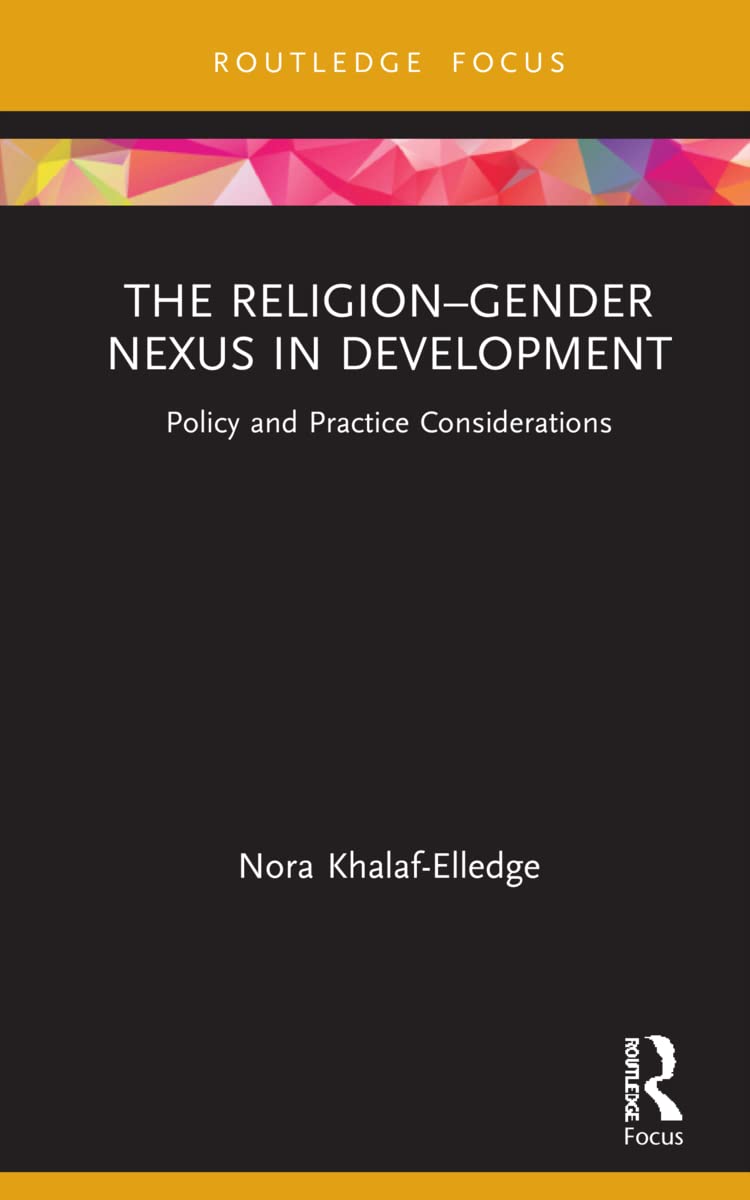
The ReligionGender Nexus in Development: A Comprehensive Study
The ReligionGender Nexus in Development: A Comprehensive Study
Price subject to change. Tap below for current.
Couldn't load pickup availability
The ReligionGender Nexus in Development offers a profound exploration of the intricate relationship between religion and gender in the context of development. Authored by Nora Khalaf-Elledge, this book delves into how religious beliefs and practices shape gender roles and influence development outcomes across various societies.
In this insightful work, Khalaf-Elledge examines the impact of religious frameworks on gender equality initiatives. By analyzing case studies from diverse cultural backgrounds, the author highlights the complexities that arise when integrating religious perspectives into development policies. This book serves as a crucial resource for scholars, practitioners, and policymakers interested in understanding the multifaceted dynamics of religion and gender.
One of the key themes of the book is the intersectionality of faith and gender. Khalaf-Elledge argues that to effectively address gender disparities, it is essential to consider the role of religion as both a potential barrier and a catalyst for change. The author provides compelling evidence that religious institutions can play a significant role in promoting gender equality when they are engaged in development processes.
The methodological approach employed in this research is both rigorous and innovative. Khalaf-Elledge combines qualitative and quantitative methods to provide a comprehensive analysis of the subject matter. This dual approach not only enriches the findings but also makes the book accessible to a wider audience, including those new to the field of development studies.
Furthermore, the book addresses the challenges faced by women in various religious contexts. Through personal narratives and empirical data, Khalaf-Elledge sheds light on the struggles and triumphs of women navigating their identities within religious frameworks. This humanizes the academic discourse and emphasizes the importance of listening to women's voices in development conversations.
Readers will also appreciate the practical implications of the research presented in this book. The author offers actionable recommendations for integrating a gender-sensitive lens into development programs, ensuring that religious considerations are not overlooked. This makes the ReligionGender Nexus in Development not only a theoretical exploration but also a practical guide for implementing effective strategies.
In conclusion, this book is a vital contribution to the field of development studies, providing a nuanced understanding of the relationship between religion and gender. It challenges conventional wisdom and encourages a rethinking of how development initiatives can be designed to be more inclusive and effective. Whether you are a student, researcher, or practitioner, this book will undoubtedly enrich your understanding of the complexities at the intersection of religion and gender in development.
Share