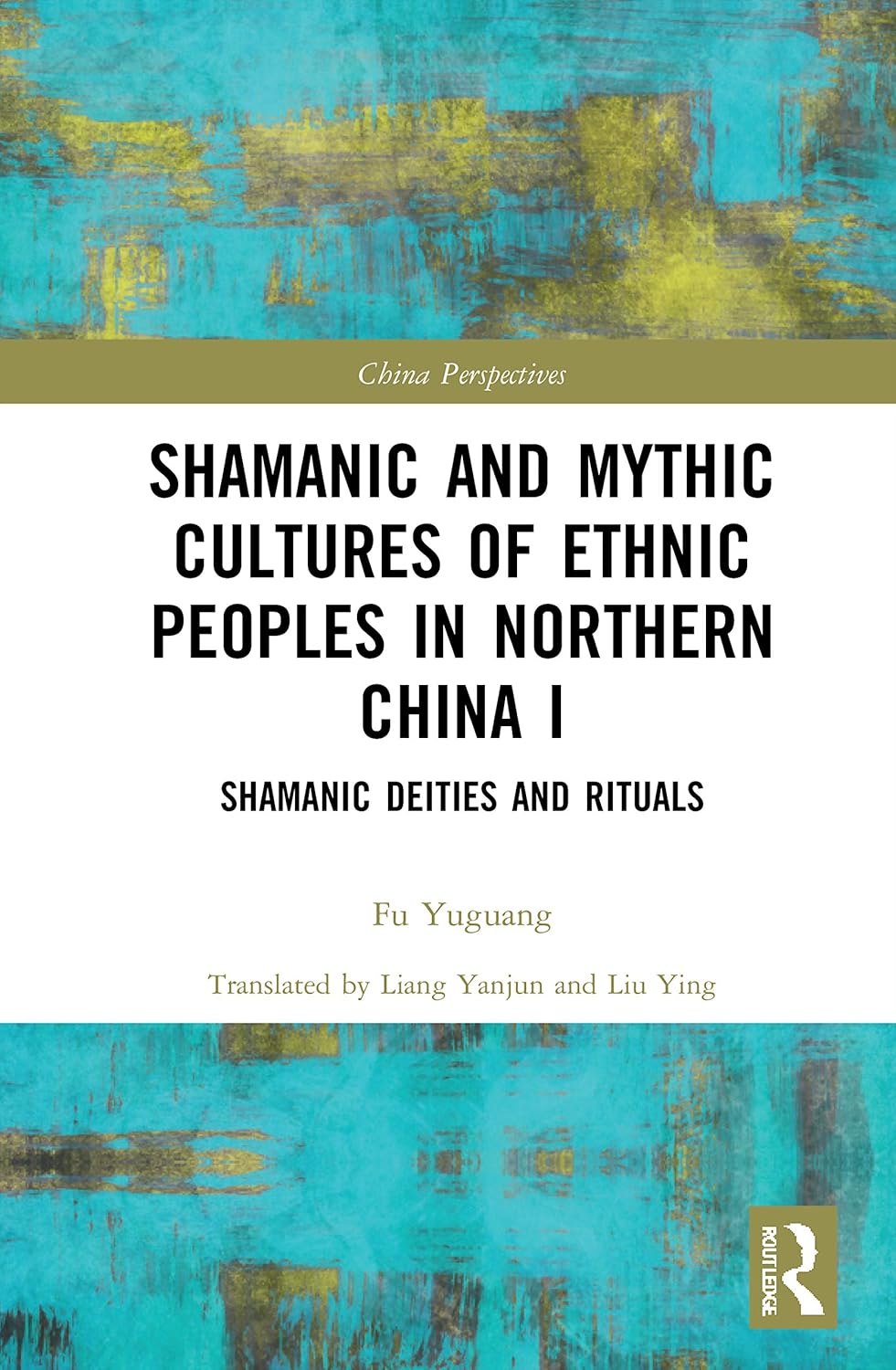
Shamanic and Mythic Cultures of Ethnic Peoples in Northern China
Shamanic and Mythic Cultures of Ethnic Peoples in Northern China
Price subject to change. Tap below for current.
Couldn't load pickup availability
The book Shamanic and Mythic Cultures offers an in-depth exploration of the rich tapestry of ethnic traditions found in Northern China. Authored by Fu Yuguang, Liang Yanjun, and Liu Ying, this volume delves into the spiritual practices and cultural narratives that define these communities.
Readers will discover how mythic cultures shape the identities of various ethnic groups, providing insights into their worldviews and social structures. The authors meticulously document the rituals, beliefs, and stories that have been passed down through generations, highlighting the significance of shamanism in these cultures.
One of the standout features of this book is its comprehensive analysis of the ethnic peoples in Northern China. Each chapter focuses on different groups, showcasing their unique traditions and the ways in which they interact with the modern world. This approach not only enriches the reader's understanding but also fosters a greater appreciation for cultural diversity.
The authors employ a combination of field research and historical context to present a nuanced view of these communities. The inclusion of vivid descriptions and personal anecdotes makes the text engaging and relatable, allowing readers to connect with the subjects on a deeper level. The exploration of shamanic practices is particularly fascinating, as it reveals the intricate relationship between spirituality and daily life.
Moreover, the book addresses the challenges faced by these ethnic groups in contemporary society. Issues such as globalization and cultural assimilation are discussed, providing a critical lens through which to view the preservation of mythic traditions. The authors advocate for the importance of cultural heritage and the need for sustainable practices that honor these ancient ways.
Visually, the book is enhanced with photographs and illustrations that complement the text, offering a glimpse into the vibrant cultures being discussed. These visuals serve to enrich the reader's experience and provide a tangible connection to the subjects of the study.
In conclusion, Shamanic and Mythic Cultures of Ethnic Peoples in Northern China is an essential read for anyone interested in anthropology, cultural studies, or the rich history of China's diverse ethnic groups. It is a testament to the resilience of these cultures and a call to recognize and celebrate their contributions to the global cultural landscape.
Share