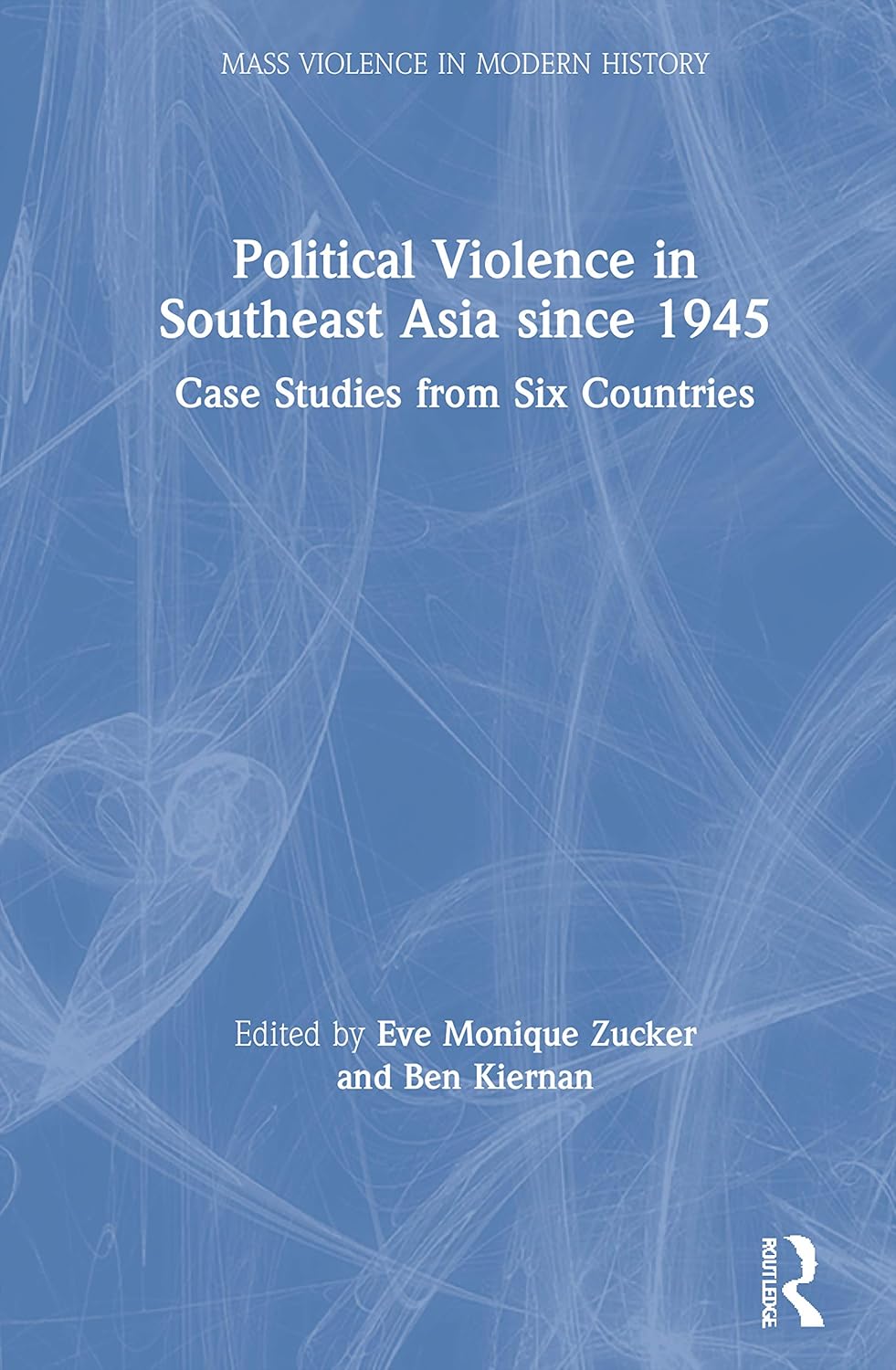
Political Violence in Southeast Asia since 1945: A Deep Dive
Political Violence in Southeast Asia since 1945: A Deep Dive
Price subject to change. Tap below for current.
Couldn't load pickup availability
Political violence in Southeast Asia has been a significant issue since the end of World War II, shaping the region's history and its societies. This comprehensive book, authored by Eve Monique Zucker and Ben Kiernan, provides an in-depth analysis of the various forms of violence that have plagued Southeast Asia over the decades.
The authors meticulously explore the historical context of mass violence in modern history, detailing how colonial legacies, Cold War dynamics, and local conflicts have contributed to ongoing strife. The book covers pivotal events, such as the Vietnam War, the Khmer Rouge regime in Cambodia, and the ethnic conflicts in Myanmar, offering readers a nuanced understanding of the complexities involved.
One of the standout features of this work is its rich use of primary sources, including interviews and archival materials, which bring to life the personal stories behind the statistics. The authors highlight the impact of political violence on civilian populations, emphasizing the human cost of these conflicts. Through their detailed research, Zucker and Kiernan shed light on the resilience of communities affected by violence and their struggles for justice.
This book is not just a historical account; it also serves as a critical examination of the political landscape in Southeast Asia. The authors argue that understanding the roots of violence is essential for addressing current issues and preventing future conflicts. They provide insightful analyses of how political ideologies and power struggles have fueled violence, making it a must-read for anyone interested in the region's politics.
Furthermore, the book discusses the role of international actors and organizations in Southeast Asia, questioning their effectiveness in mitigating violence. The authors argue that while some interventions have been beneficial, others have exacerbated tensions. This critical perspective on international relations adds depth to the discussion and encourages readers to think critically about global involvement in regional conflicts.
In conclusion, Political Violence in Southeast Asia since 1945 is an essential resource for scholars, students, and anyone interested in understanding the complexities of violence in this diverse region. With its thorough research and compelling narratives, this book not only informs but also challenges readers to consider the broader implications of political violence. It stands as a testament to the resilience of those who have endured such hardships and the ongoing quest for peace and justice in Southeast Asia.
Share