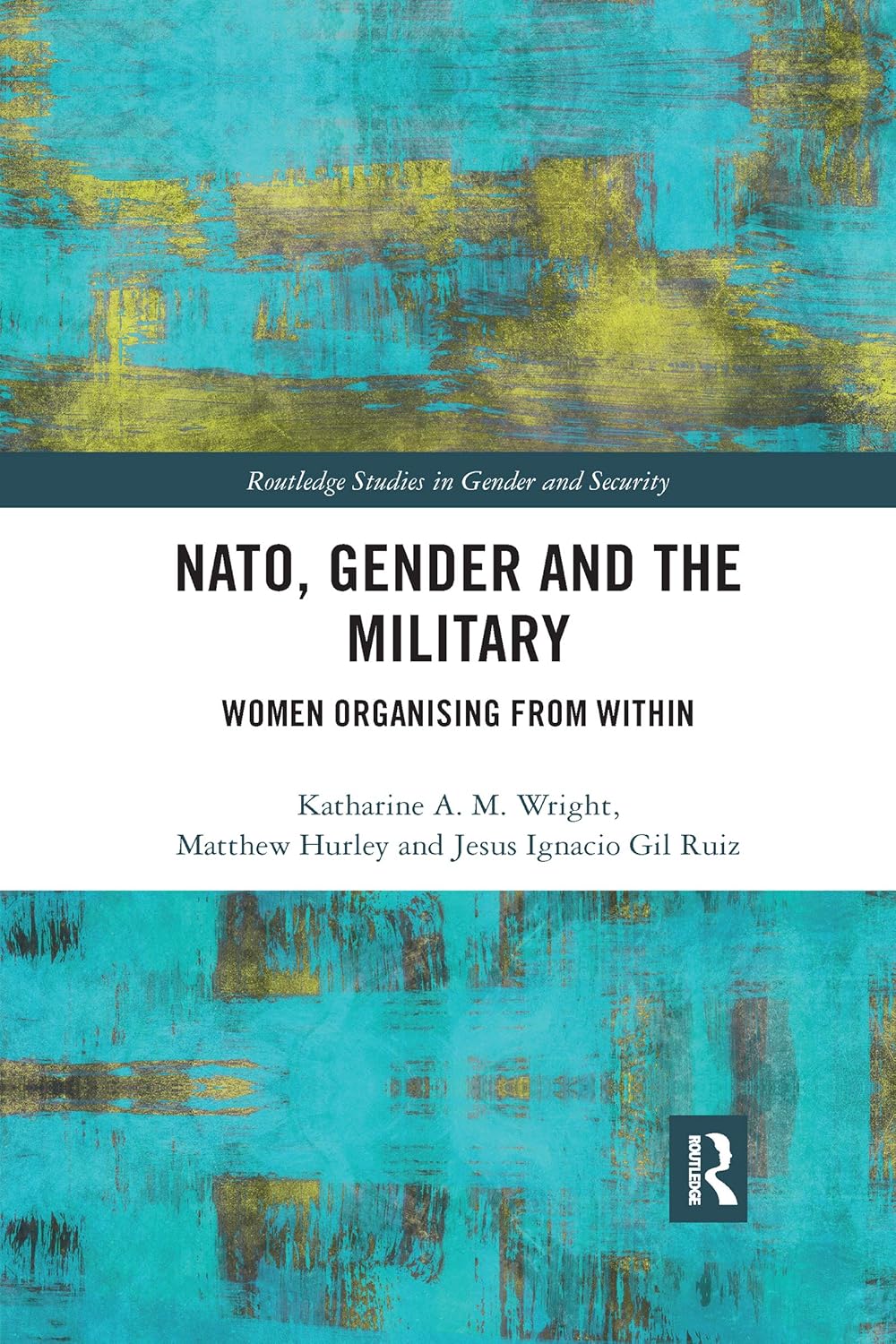
NATO, Gender and the Military: A Comprehensive Study on Security
NATO, Gender and the Military: A Comprehensive Study on Security
Price subject to change. Tap below for current.
Couldn't load pickup availability
The book NATO, Gender and the Military offers an in-depth analysis of the intersection between gender and military practices within NATO. This scholarly work is essential for understanding how gender dynamics influence security policies and military operations.
Authored by experts Katharine Wright, Matthew Hurley, and Jesus Ignacio Gil Ruiz, this volume delves into the historical context of gender roles in military settings. It examines how traditional notions of masculinity and femininity shape the experiences of service members and impact operational effectiveness.
One of the key themes explored in this book is the integration of gender perspectives into military strategies. The authors argue that recognizing and addressing gender issues can enhance the overall effectiveness of NATO missions. By incorporating diverse viewpoints, military organizations can better respond to the complexities of modern warfare.
The text also highlights the challenges faced by women in the military, including barriers to advancement and the prevalence of gender-based violence. Through case studies and empirical research, the authors provide a comprehensive overview of the barriers to gender equality in military institutions.
Furthermore, the book discusses the role of international organizations in promoting gender equality within NATO. It emphasizes the importance of policy frameworks and training programs that support the empowerment of women in military roles. The authors advocate for a more inclusive approach that recognizes the contributions of all service members.
Readers will appreciate the critical insights offered in this volume, particularly regarding the impact of gender on military effectiveness. The authors provide a nuanced understanding of how gender dynamics can influence decision-making processes and operational outcomes.
In addition to theoretical discussions, the book includes practical recommendations for military leaders and policymakers. By implementing gender-sensitive policies, NATO can improve its operational capabilities and foster a more inclusive environment for all personnel.
Overall, NATO, Gender and the Military is a vital resource for scholars, practitioners, and anyone interested in the evolving role of gender in security studies. This book not only sheds light on the challenges but also offers pathways for creating a more equitable military landscape.
Share