Human-Robot Interaction: Safety and Standardization Insights
Human-Robot Interaction: Safety and Standardization Insights
Price subject to change. Tap below for current.
Couldn't load pickup availability
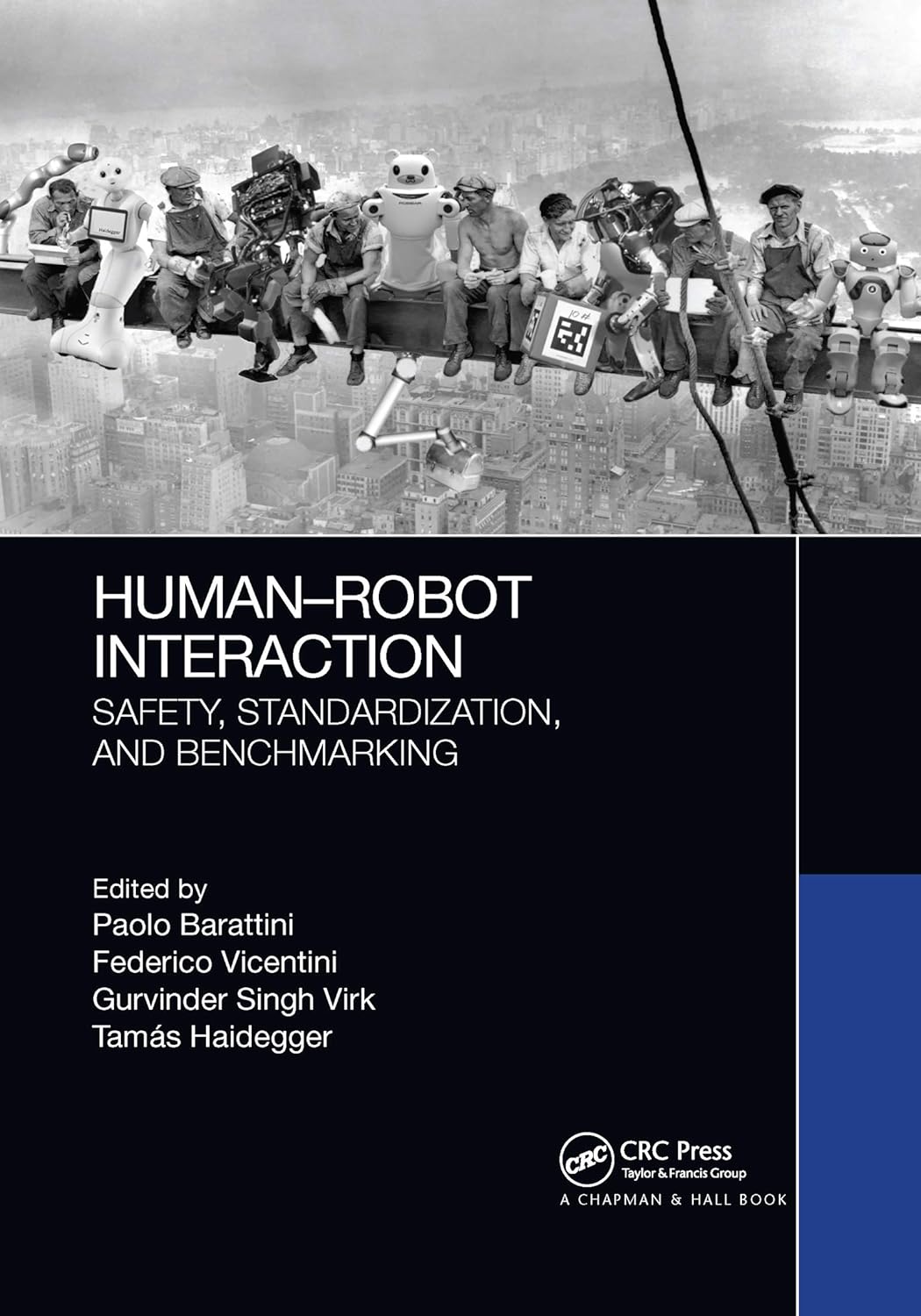
The book Human-Robot Interaction delves into the critical aspects of safety, standardization, and benchmarking in the rapidly evolving field of robotics. Authored by experts Paolo Barattini, Federico Vicentini, Gurvinder Singh Virk, and Tamas Haidegger, this comprehensive guide provides invaluable insights for researchers and practitioners alike.
One of the standout features of this book is its thorough examination of safety protocols in human-robot interactions. As robots become more integrated into our daily lives, understanding the safety measures necessary to protect human users is paramount. The authors present a detailed analysis of current safety standards and propose new frameworks to enhance safety in various applications.
In addition to safety, the book emphasizes the importance of standardization in the robotics industry. The authors argue that without a unified approach to standards, the development and deployment of robotic systems can lead to inconsistencies and potential hazards. This section is particularly beneficial for engineers and developers looking to navigate the complex landscape of robotics.
Benchmarking is another critical theme explored in this work. The authors provide a robust methodology for benchmarking robotic systems, which is essential for evaluating performance and ensuring reliability. By establishing clear metrics, researchers can better assess the capabilities of their robots and make informed decisions about improvements and innovations.
The book also addresses the ethical implications of human-robot interaction. As robots take on more roles in society, understanding the ethical considerations becomes increasingly important. The authors engage with contemporary debates surrounding autonomy, responsibility, and the impact of robots on employment and social structures.
Furthermore, the text is enriched with case studies that illustrate the practical applications of the concepts discussed. These real-world examples help to contextualize the theoretical frameworks and provide readers with a clearer understanding of how to implement safety and standardization measures effectively.
Overall, Human-Robot Interaction is an essential read for anyone involved in the field of robotics. Whether you are a researcher, engineer, or policy maker, this book equips you with the knowledge and tools necessary to navigate the complexities of human-robot collaboration. With its focus on safety, standardization, and benchmarking, it serves as a foundational text that will guide the future of robotics.
Share