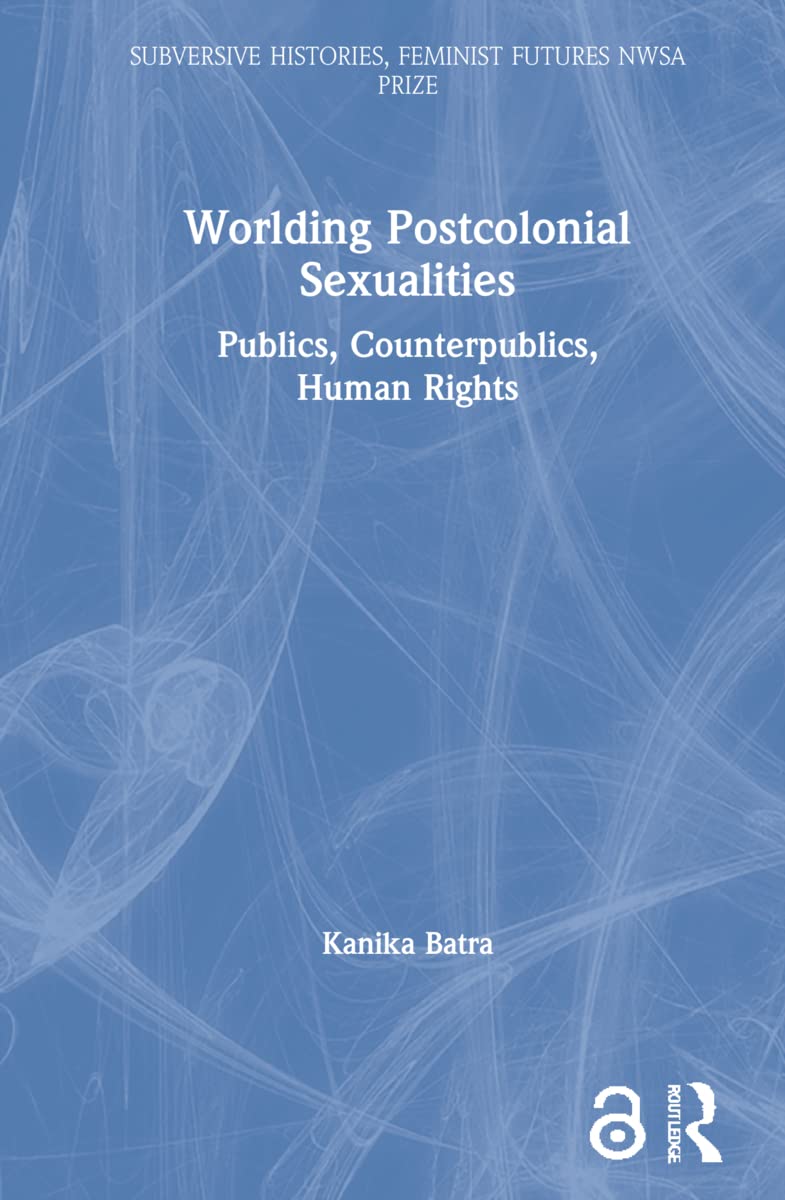
Worlding Postcolonial Sexualities: A Deep Dive into Feminist Futures
Worlding Postcolonial Sexualities: A Deep Dive into Feminist Futures
Price subject to change. Tap below for current.
Couldn't load pickup availability
The book Worlding Postcolonial Sexualities by Kanika Batra offers a profound exploration of the intersections between postcolonial theory and sexualities. It delves into how colonial histories have shaped contemporary understandings of gender and sexuality, making it an essential read for anyone interested in feminist studies.
In this insightful work, Batra examines various cultural narratives that emerge from postcolonial contexts, highlighting the subversive histories that challenge dominant discourses. The author skillfully weaves together personal narratives and theoretical frameworks, providing a rich tapestry of voices that reflect the complexities of identity.
One of the standout features of this book is its commitment to feminist futures. Batra envisions a world where marginalized voices are amplified, and where the legacies of colonialism are critically interrogated. This forward-thinking approach not only enriches the academic discourse but also inspires activism and change.
The text is structured in a way that encourages readers to engage with the material actively. Each chapter presents a unique perspective on how sexualities are constructed and understood in different cultural contexts. Batra's analysis is both rigorous and accessible, making it suitable for scholars and general readers alike.
Moreover, the book addresses the importance of intersectionality in understanding postcolonial identities. Batra emphasizes that gender, race, and sexuality cannot be examined in isolation; they are interwoven and must be understood as part of a larger social fabric. This nuanced perspective is crucial for anyone looking to grasp the complexities of modern identity politics.
Another significant aspect of Worlding Postcolonial Sexualities is its global scope. Batra draws on examples from various regions, including South Asia, Africa, and the Caribbean, showcasing the diverse ways in which colonial histories have influenced sexual politics. This comparative approach enriches the reader's understanding of global issues related to sexuality and power.
In conclusion, Kanika Batra's Worlding Postcolonial Sexualities is a vital contribution to the fields of feminist theory and postcolonial studies. It challenges readers to rethink conventional narratives and consider the implications of colonial legacies on contemporary sexualities. This book is a must-read for anyone interested in the intersections of culture, gender, and sexuality.
Share