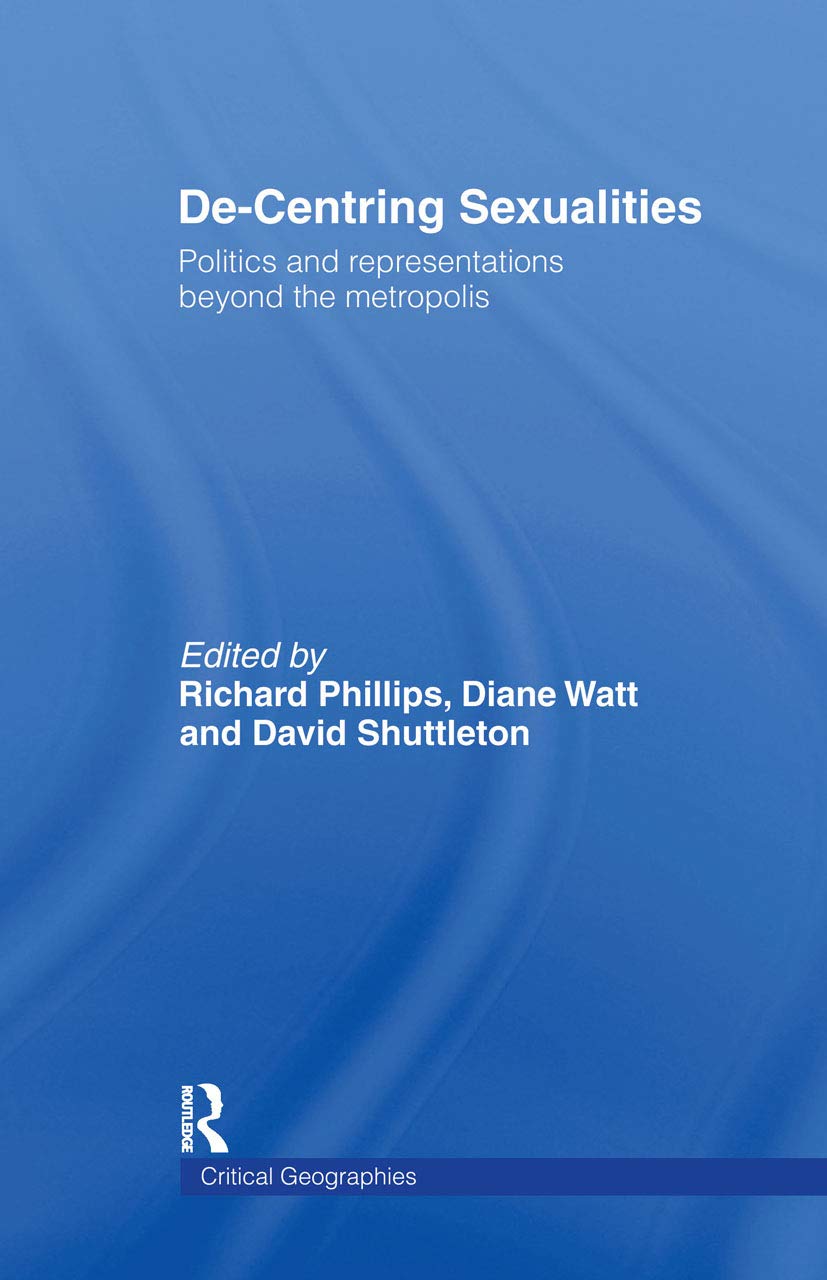
De-Centering Sexualities: A Critical Geographies Perspective
De-Centering Sexualities: A Critical Geographies Perspective
Price subject to change. Tap below for current.
Couldn't load pickup availability
The book De-Centering Sexualities offers a profound exploration of the complexities surrounding sexual identities and geographies. This critical work challenges traditional notions of sexuality, urging readers to reconsider how space and place influence sexual experiences. With contributions from leading scholars, the text delves into various cultural contexts, making it a vital resource for anyone interested in the intersection of geography and sexuality.
One of the standout features of De-Centering Sexualities is its interdisciplinary approach. The authors draw from sociology, cultural studies, and geography to provide a comprehensive analysis of sexualities. This blend of perspectives enriches the reader's understanding and encourages critical thinking about the societal norms that shape our perceptions of sexuality.
The book is structured into several thematic sections, each addressing different aspects of sexualities in relation to geography. For instance, the chapter on urban spaces examines how cities can both liberate and constrain sexual expression. This section highlights the importance of urban geography in shaping sexual identities, making it a crucial read for urban studies scholars.
Another compelling chapter focuses on the role of globalization in transforming sexual landscapes. The authors discuss how transnational movements and cultural exchanges impact local sexual practices, providing a nuanced view of how global forces interact with local identities. This analysis is particularly relevant in today's interconnected world, where cultural boundaries are increasingly blurred.
Moreover, the book does not shy away from discussing the challenges faced by marginalized sexual communities. It addresses issues such as discrimination, violence, and the struggle for recognition, emphasizing the need for a more inclusive understanding of sexualities. The authors advocate for a critical examination of power dynamics that influence sexual rights and identities, making this text essential for activists and scholars alike.
In addition to its rich content, De-Centering Sexualities is well-researched and thoughtfully written. Each chapter is backed by extensive references, allowing readers to explore further the topics discussed. The clarity of the writing makes complex theories accessible, ensuring that both academics and general readers can engage with the material.
Overall, De-Centering Sexualities is a groundbreaking contribution to the field of critical geographies. It invites readers to rethink their assumptions about sexuality and encourages a more inclusive and nuanced understanding of sexual identities. Whether you are a student, a researcher, or simply someone interested in the dynamics of sexuality and space, this book is a must-read.
Share