Rethinking Third Cinema: A Comprehensive Exploration of Film
Rethinking Third Cinema: A Comprehensive Exploration of Film
Price subject to change. Tap below for current.
Couldn't load pickup availability
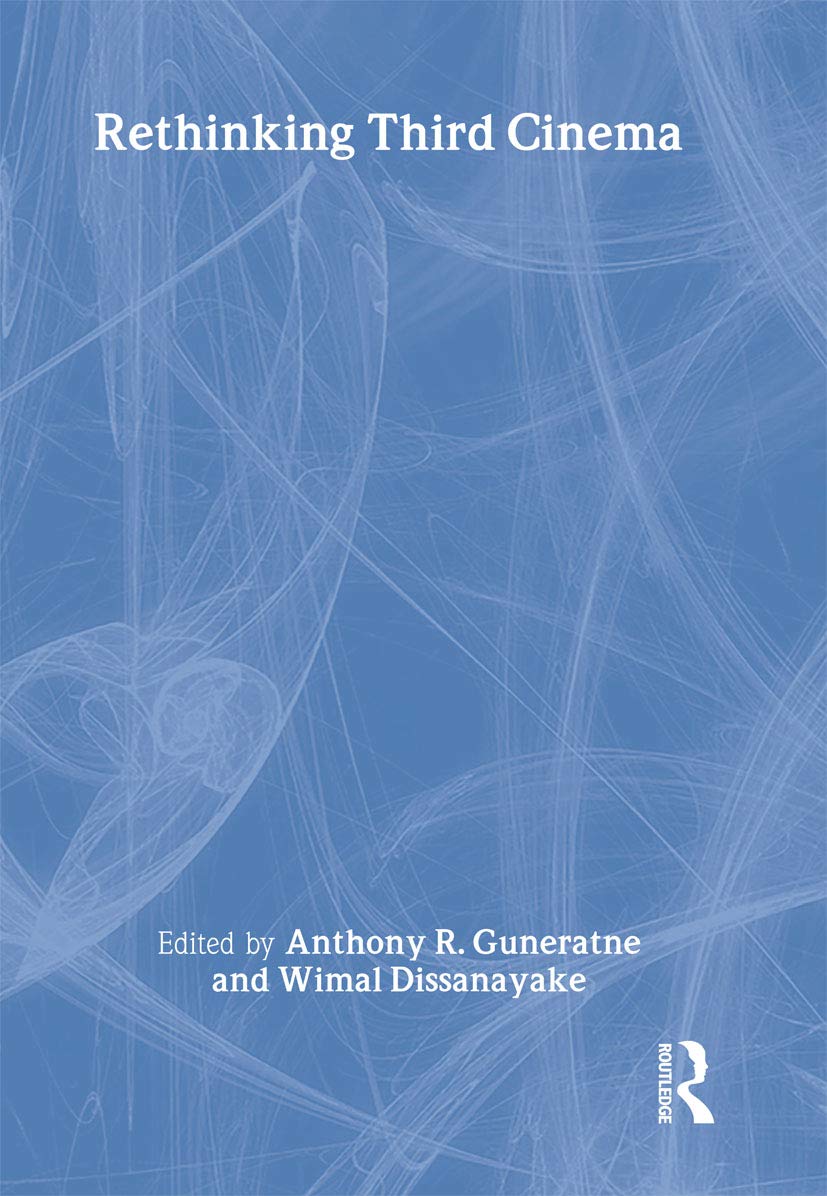
Rethinking Third Cinema is an essential read for anyone interested in the evolution of cinema and its cultural implications. This book delves deep into the concept of Third Cinema, a term that refers to films produced in developing countries that challenge the mainstream cinematic narratives. The authors, Anthony R. Guneratne and Wimal Dissanayake, provide a thorough analysis of the socio-political contexts that shape these films.
One of the standout features of this book is its exploration of the historical significance of Third Cinema. The authors trace the roots of this cinematic movement, highlighting key films and filmmakers who have made significant contributions. By examining the historical backdrop, readers gain a better understanding of how these films reflect the struggles and aspirations of marginalized communities.
Moreover, the book discusses the theoretical frameworks that underpin Third Cinema. Guneratne and Dissanayake engage with various critical perspectives, offering insights into how these films can be interpreted through different lenses. This theoretical approach not only enriches the reading experience but also encourages readers to think critically about the films they watch.
Another compelling aspect of Rethinking Third Cinema is its focus on the global impact of these films. The authors argue that Third Cinema is not just confined to its geographical origins but has influenced filmmakers and audiences worldwide. This global perspective is crucial for understanding the interconnectedness of cinema and culture in today's world.
The book also addresses the challenges faced by filmmakers in the Third Cinema movement. From funding issues to censorship, the authors provide a candid look at the obstacles that hinder the production and distribution of these films. This discussion is particularly relevant in the current landscape of global cinema, where many filmmakers continue to fight for their voices to be heard.
In addition to its academic rigor, Rethinking Third Cinema is accessible to a broader audience. The authors write in a clear and engaging style, making complex ideas understandable without oversimplifying them. This balance between scholarly analysis and readability makes the book suitable for both students and general readers interested in film studies.
Finally, the book includes a comprehensive bibliography and references, making it a valuable resource for further research. Whether you are a film student, a scholar, or simply a cinema enthusiast, this book will enhance your understanding of Third Cinema and its significance in the global film landscape.
Share