Regular price
$250.00 USD
Price subject to change. Tap below for current.
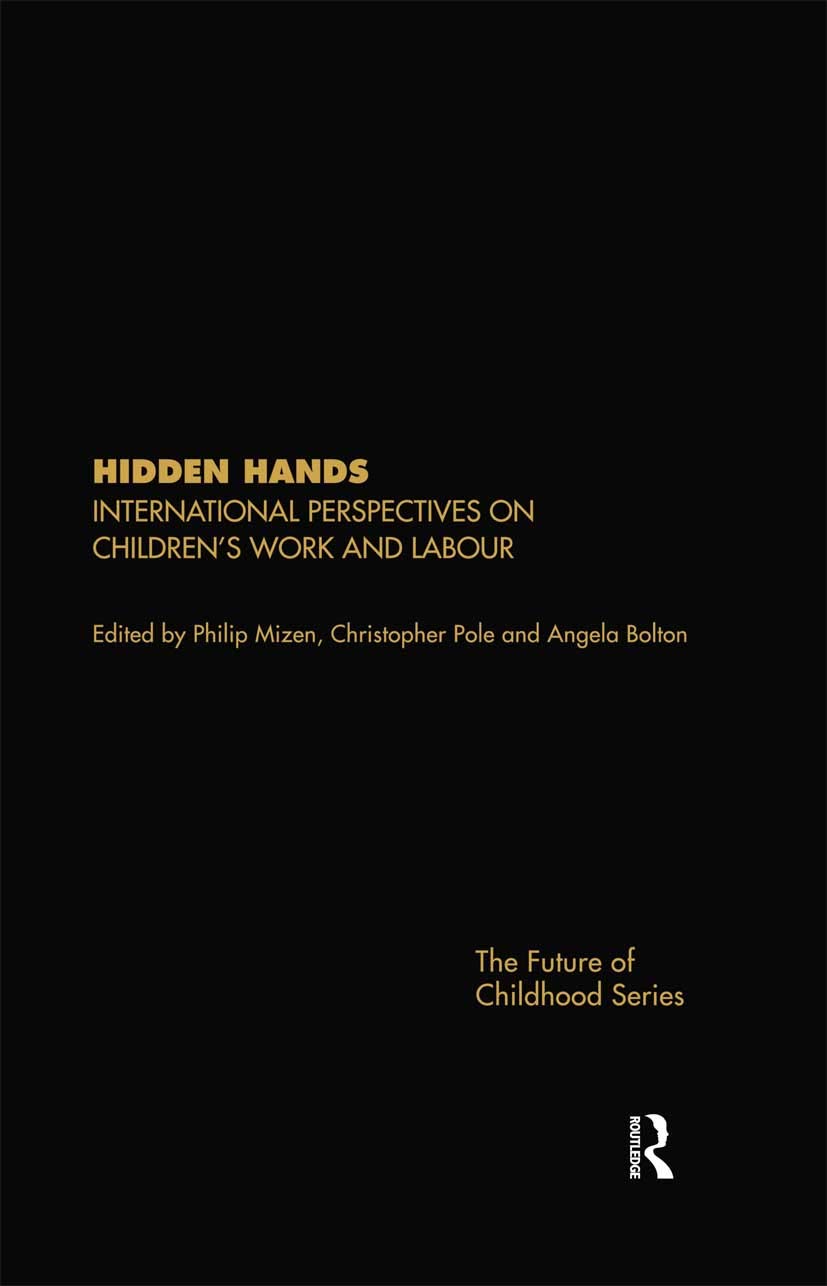
The book Hidden Hands: International Perspectives on Children's Work and Labour offers a comprehensive examination of the complex realities surrounding children's work globally. This insightful volume, part of The Future of Childhood Series, delves into the multifaceted nature of child labor, exploring how it varies across different cultures and economies.
Edited by renowned scholars Angela Bolton, Phillip Mizen, and Christopher Pole, this collection brings together a diverse range of perspectives that highlight the significance of understanding children's roles in the workforce. Each chapter presents unique case studies that illustrate the challenges and opportunities faced by children in various contexts, making it an essential read for anyone interested in child rights and labor issues.
One of the key themes of the book is the impact of globalization on children's work. As economies evolve, the nature of child labor shifts, often leading to increased vulnerability for young workers. The authors argue that it is crucial to recognize these changes to develop effective policies that protect children's rights while acknowledging their contributions to family and community.
Another important aspect discussed is the intersection of education and labor. The book emphasizes the need for a balanced approach that considers both the educational opportunities available to children and the economic realities that compel them to work. By examining various educational systems and their relationship with child labor, the authors provide valuable insights into how societies can better support children.
The volume also addresses the role of cultural perceptions in shaping attitudes towards child labor. Different societies have varying views on the appropriateness of children working, which can influence legislation and social norms. This book encourages readers to critically engage with these perspectives and consider how they affect children's lives.
Furthermore, the authors highlight the importance of policy frameworks that can effectively address the complexities of child labor. They argue for the need to create comprehensive strategies that involve multiple stakeholders, including governments, NGOs, and communities, to ensure that children's rights are upheld while also recognizing their agency.
In conclusion, Hidden Hands is a vital resource for researchers, policymakers, and advocates alike. It challenges conventional narratives about child labor and invites readers to explore the nuanced realities faced by children around the world. This book not only sheds light on the pressing issues of children's work but also offers pathways for meaningful change.