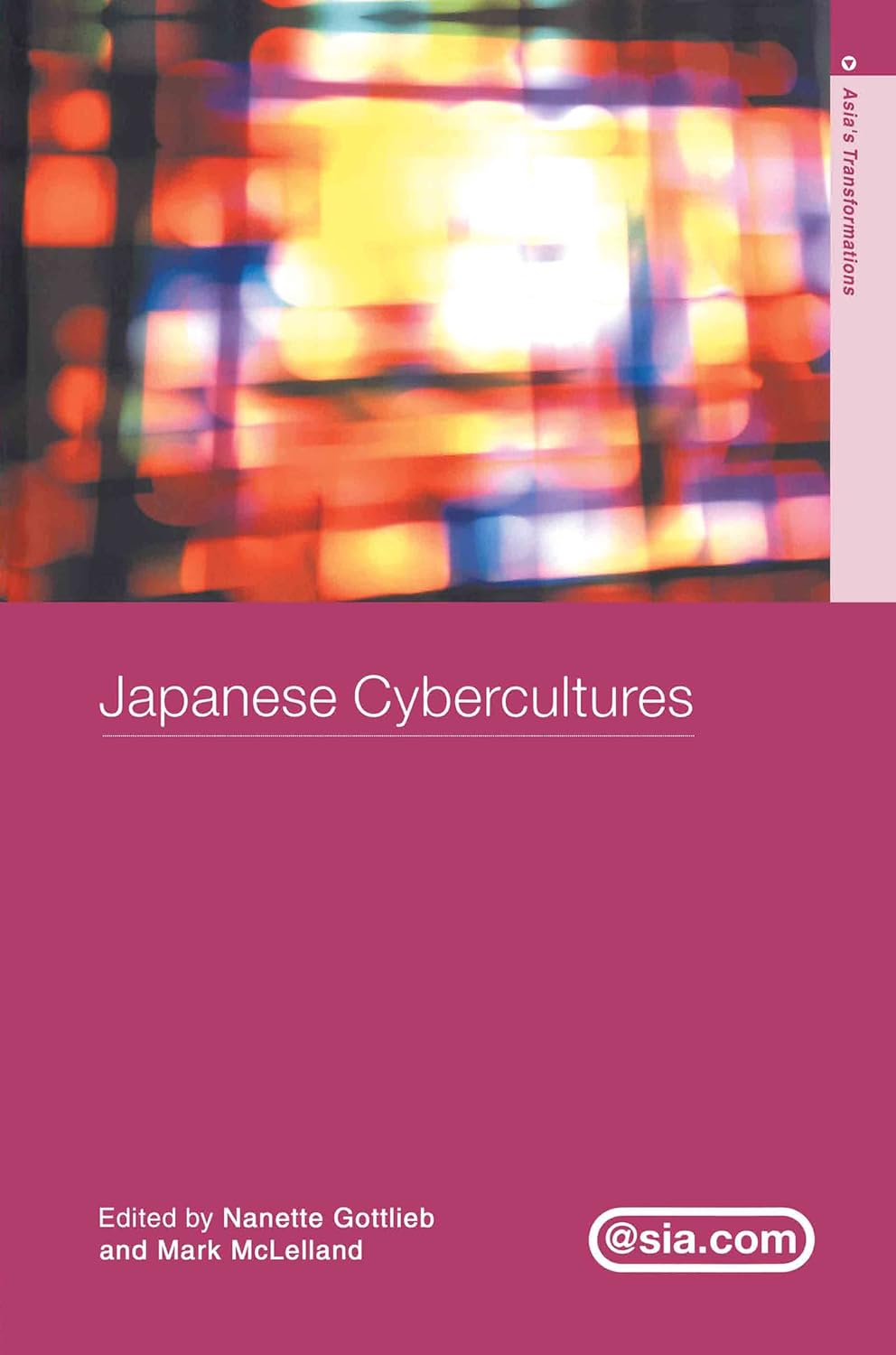
Japanese Cybercultures: Exploring Asia's Transformations in Depth
Japanese Cybercultures: Exploring Asia's Transformations in Depth
Price subject to change. Tap below for current.
Couldn't load pickup availability
The book Japanese Cybercultures offers a profound insight into the digital landscapes of Japan, showcasing how technology intertwines with cultural practices. Authored by experts Nanette Gottlieb and Mark McLelland, this work delves into the unique phenomena that define Japan's cyberculture.
In the realm of digital identity, the authors explore how individuals navigate their online personas, reflecting broader societal changes. The book examines various aspects of online life, from gaming to social media, highlighting the significance of virtual communities in shaping modern Japanese culture.
One of the standout features of Japanese Cybercultures is its comprehensive analysis of the impact of technology on youth culture. The authors provide a detailed look at how young people in Japan engage with digital platforms, creating new forms of expression and social interaction.
The book also addresses the phenomenon of otaku culture, which has gained international recognition. It discusses how this subculture has evolved with the advent of the internet, allowing fans to connect and share their passions in unprecedented ways.
Furthermore, the authors investigate the role of anime and manga in shaping Japan's cyber identity. These art forms have not only influenced local culture but have also made a significant impact globally, creating a unique cultural export that resonates with audiences worldwide.
Another critical aspect covered in Japanese Cybercultures is the intersection of technology and politics. The authors analyze how digital platforms have become tools for activism and social change, empowering citizens to voice their opinions and mobilize for various causes.
With its rich content and engaging writing style, this book serves as an essential resource for anyone interested in understanding the complexities of Japan's digital landscape. It combines academic rigor with accessible language, making it suitable for both scholars and casual readers alike.
In conclusion, Japanese Cybercultures is a must-read for those looking to explore the intricate relationship between culture and technology in Japan. It provides valuable insights into how cybercultures are transforming societal norms and individual identities in the digital age.
Share