Schooling as Violence: Understanding the Impact on Education
Schooling as Violence: Understanding the Impact on Education
Price subject to change. Tap below for current.
Couldn't load pickup availability
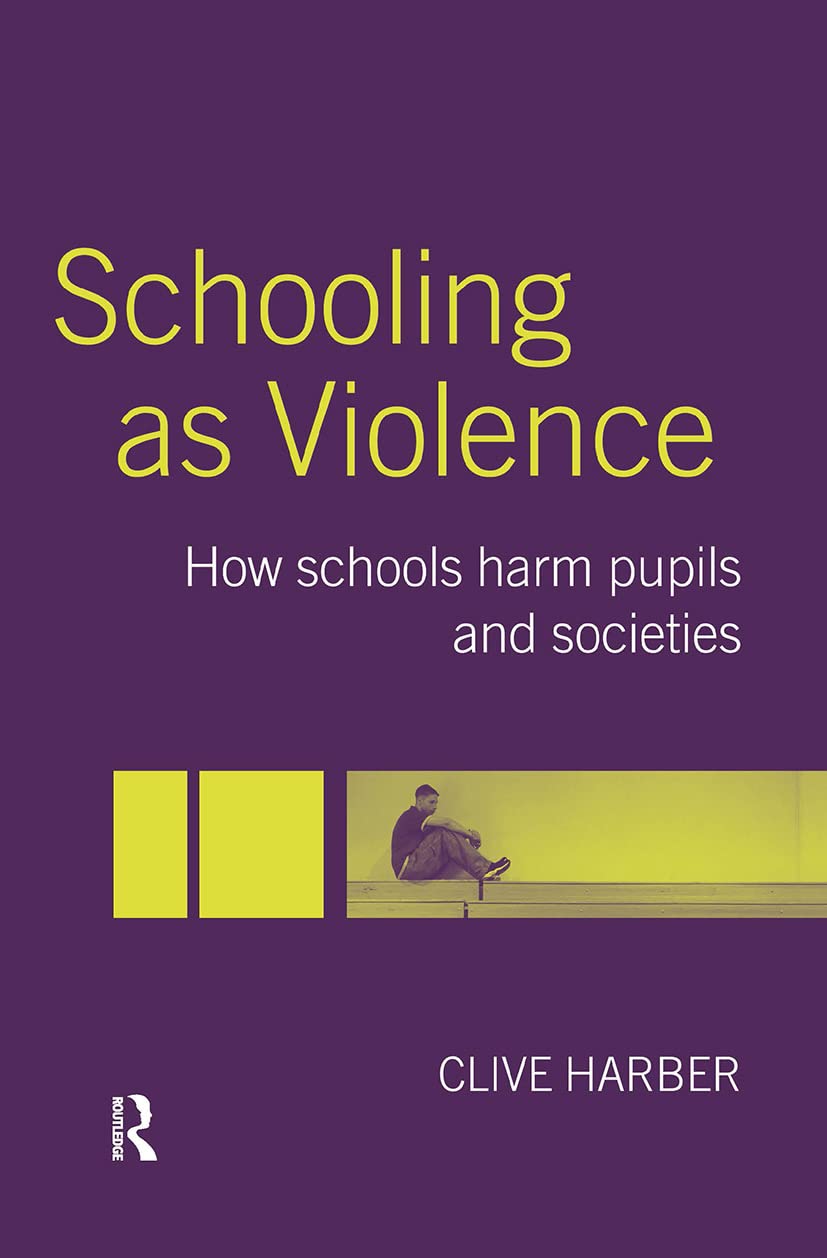
Schooling as Violence is a thought-provoking exploration of the intricate relationship between education and violence. Authored by Clive Harber, this book delves into how educational systems can perpetuate cycles of violence and oppression. It challenges readers to reconsider the role of schools in society and the implications of their practices.
In this compelling narrative, Harber examines various forms of violence that manifest within educational settings, including psychological, physical, and structural violence. The author argues that educational institutions often serve as microcosms of broader societal issues, reflecting and sometimes amplifying the violence present in communities.
One of the key themes of the book is the concept of institutional violence. Harber discusses how policies and practices within schools can marginalize certain groups of students, leading to a culture of exclusion and hostility. This perspective is crucial for educators and policymakers who seek to create more inclusive and supportive learning environments.
Harber also addresses the impact of curriculum choices on student experiences. He highlights how the content taught in schools can either challenge or reinforce societal norms related to violence. By critically analyzing educational materials, readers are encouraged to reflect on the messages conveyed to students and the potential consequences of these messages.
Furthermore, the book explores the role of teachers in either perpetuating or combating violence within schools. Harber emphasizes the importance of teacher training and professional development in equipping educators with the skills necessary to recognize and address violence in their classrooms. This focus on teacher agency is vital for fostering a safe and nurturing educational environment.
In addition to theoretical discussions, Harber provides practical recommendations for reforming educational practices. He advocates for a shift towards restorative justice approaches that prioritize healing and reconciliation over punishment. This perspective offers a transformative vision for how schools can address conflicts and promote positive relationships among students.
Overall, Schooling as Violence is an essential read for anyone interested in the intersections of education, violence, and social justice. Harber's insights challenge conventional understandings of schooling and invite readers to envision a more equitable and compassionate educational landscape. This book is a call to action for educators, administrators, and advocates to critically engage with the structures that shape our schools and to work towards meaningful change.
Share