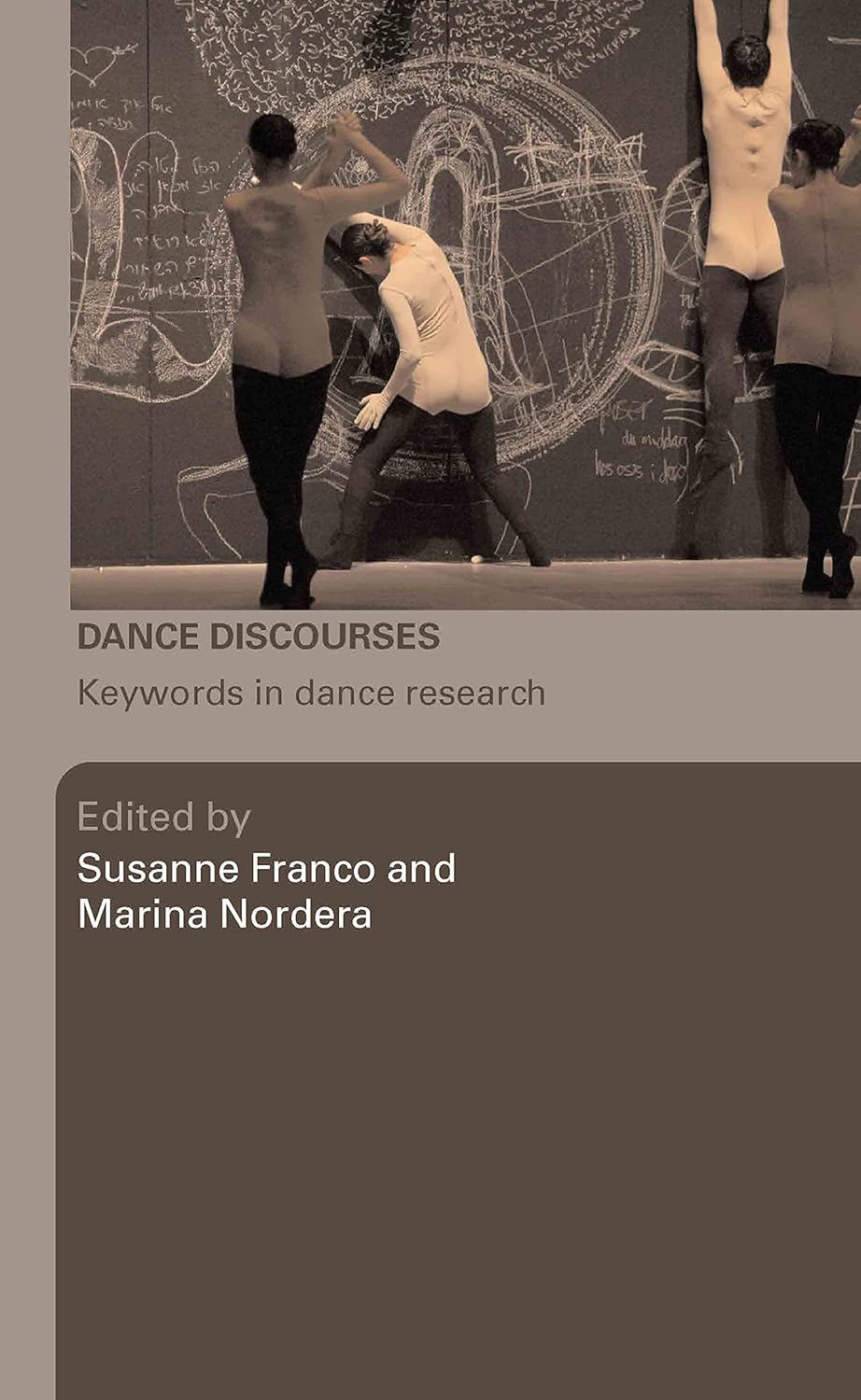
Dance Discourses: Keywords in Dance Research for Scholars
Dance Discourses: Keywords in Dance Research for Scholars
Price subject to change. Tap below for current.
Couldn't load pickup availability
Dance research is an ever-evolving field that requires a deep understanding of various terminologies and concepts. The book 'Dance Discourses: Keywords in Dance Research' serves as a comprehensive guide for scholars, students, and practitioners alike. It delves into the intricate language of dance, providing insights that are essential for anyone looking to deepen their knowledge in this vibrant discipline.
One of the standout features of this book is its focus on keywords in dance. Each chapter is meticulously crafted to explore specific terms that are pivotal in the study of dance. This approach not only aids in comprehension but also enhances the reader's ability to engage with contemporary dance scholarship.
The authors, Susanne Franco and Marina Nordera, have curated a collection of essays that reflect diverse perspectives within the dance community. Their expertise shines through as they tackle complex ideas and present them in an accessible manner. This makes the book an invaluable resource for both seasoned researchers and newcomers to the field.
In addition to its academic rigor, 'Dance Discourses' emphasizes the importance of interdisciplinary approaches. The authors encourage readers to draw connections between dance and other fields such as sociology, anthropology, and cultural studies. This holistic view enriches the reader's understanding and appreciation of dance as a multifaceted art form.
Another key aspect of the book is its exploration of cultural contexts in dance research. The authors examine how cultural backgrounds influence dance practices and terminologies, making it clear that understanding dance is not just about the movements but also about the stories and histories behind them. This perspective is crucial for anyone looking to engage with dance on a deeper level.
The layout of the book is user-friendly, with clear headings and subheadings that guide the reader through the content. Each chapter concludes with a summary that reinforces the main points discussed, making it easy to revisit important concepts. This structure is particularly beneficial for those who may be using the book as a reference for academic writing or research projects.
Moreover, the inclusion of a comprehensive index allows readers to quickly locate specific terms and topics, enhancing the overall usability of the book. This feature is especially useful for students who may be juggling multiple sources of information in their studies.
In conclusion, 'Dance Discourses: Keywords in Dance Research' is a must-have for anyone involved in the study of dance. Its thorough examination of key terms, interdisciplinary approach, and cultural insights make it a vital addition to any academic library. Whether you are a researcher, educator, or dance enthusiast, this book will undoubtedly enrich your understanding of the dynamic world of dance.
Share