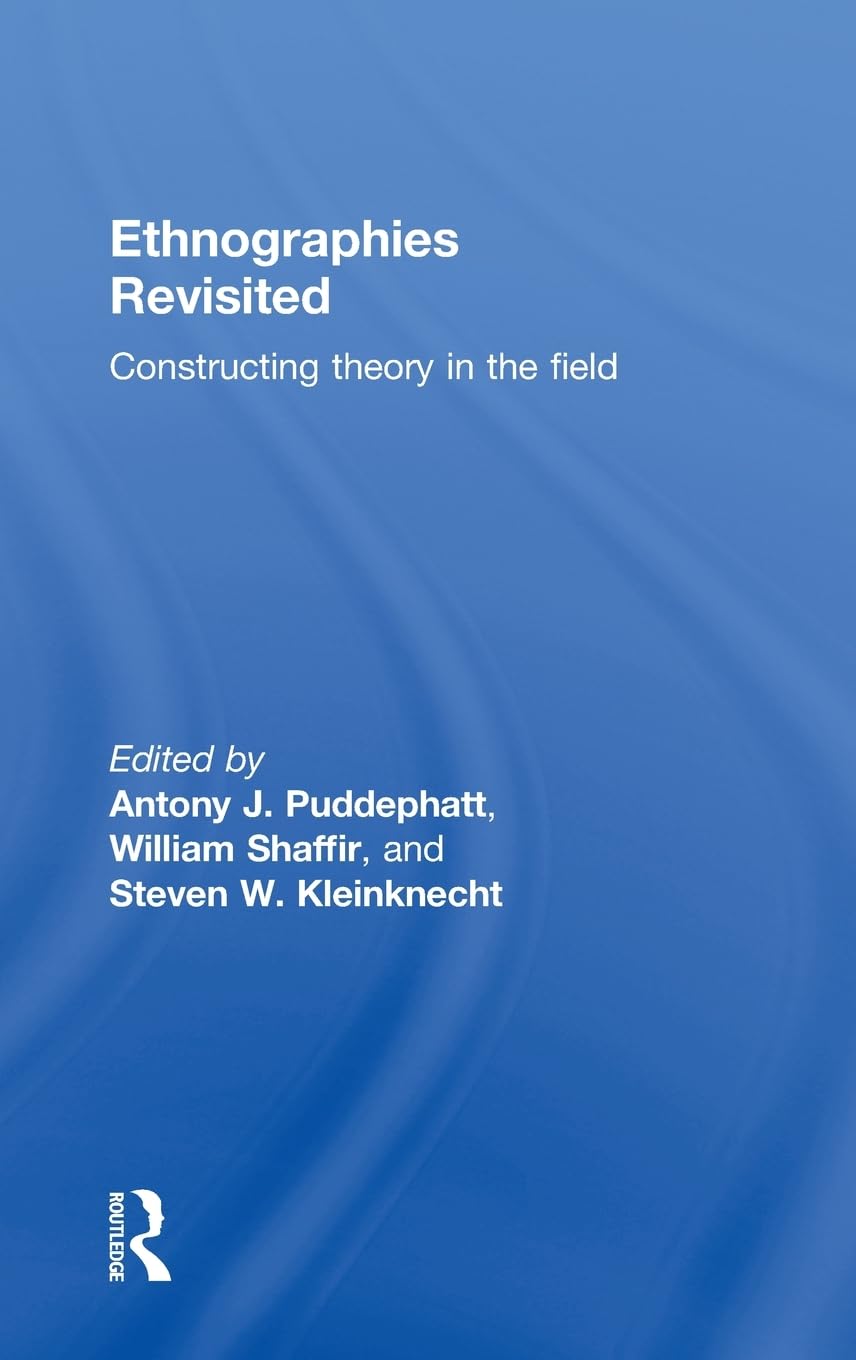
Ethnographies Revisited: A Comprehensive Exploration of Culture
Ethnographies Revisited: A Comprehensive Exploration of Culture
Price subject to change. Tap below for current.
Couldn't load pickup availability
Ethnographies Revisited is an essential read for anyone interested in the intricate world of cultural studies. This book delves deep into the methodologies and practices that define ethnographic research, offering a fresh perspective on how we understand diverse cultures. The authors, William Shaffir, Antony J. Puddephatt, and Steven W. Kleinknecht, bring their extensive experience to the table, making this work a significant contribution to the field.
One of the standout features of Ethnographies Revisited is its comprehensive approach to the subject matter. The authors explore various case studies that highlight the evolution of ethnographic methods over time. This exploration not only enriches the reader's understanding but also emphasizes the importance of context in cultural research.
The book is structured in a way that allows readers to easily navigate through complex ideas. Each chapter builds upon the last, creating a cohesive narrative that is both informative and engaging. The authors utilize a range of examples to illustrate their points, making the content accessible to both seasoned researchers and newcomers alike.
Another key aspect of Ethnographies Revisited is its focus on the ethical considerations inherent in ethnographic work. The authors address the responsibilities of researchers when engaging with communities, ensuring that the voices of those being studied are respected and accurately represented. This emphasis on ethics is crucial in today's research landscape, where the impact of studies can have far-reaching consequences.
In addition to its theoretical insights, Ethnographies Revisited also provides practical guidance for conducting ethnographic research. The authors share valuable tips and strategies that can help researchers navigate the challenges they may face in the field. This practical approach makes the book not just a theoretical exploration but also a useful tool for practitioners.
Furthermore, the book includes a variety of perspectives from different disciplines, showcasing the interdisciplinary nature of ethnographic research. This diversity enriches the discussion and encourages readers to think critically about their own research practices. The inclusion of various viewpoints also highlights the dynamic nature of culture and the importance of adaptability in research.
Overall, Ethnographies Revisited is a thought-provoking and insightful book that challenges readers to reconsider their understanding of ethnography. It serves as a reminder of the power of cultural research and its ability to foster empathy and understanding across different communities. Whether you are a student, a researcher, or simply someone interested in cultural studies, this book is sure to leave a lasting impression.
Share