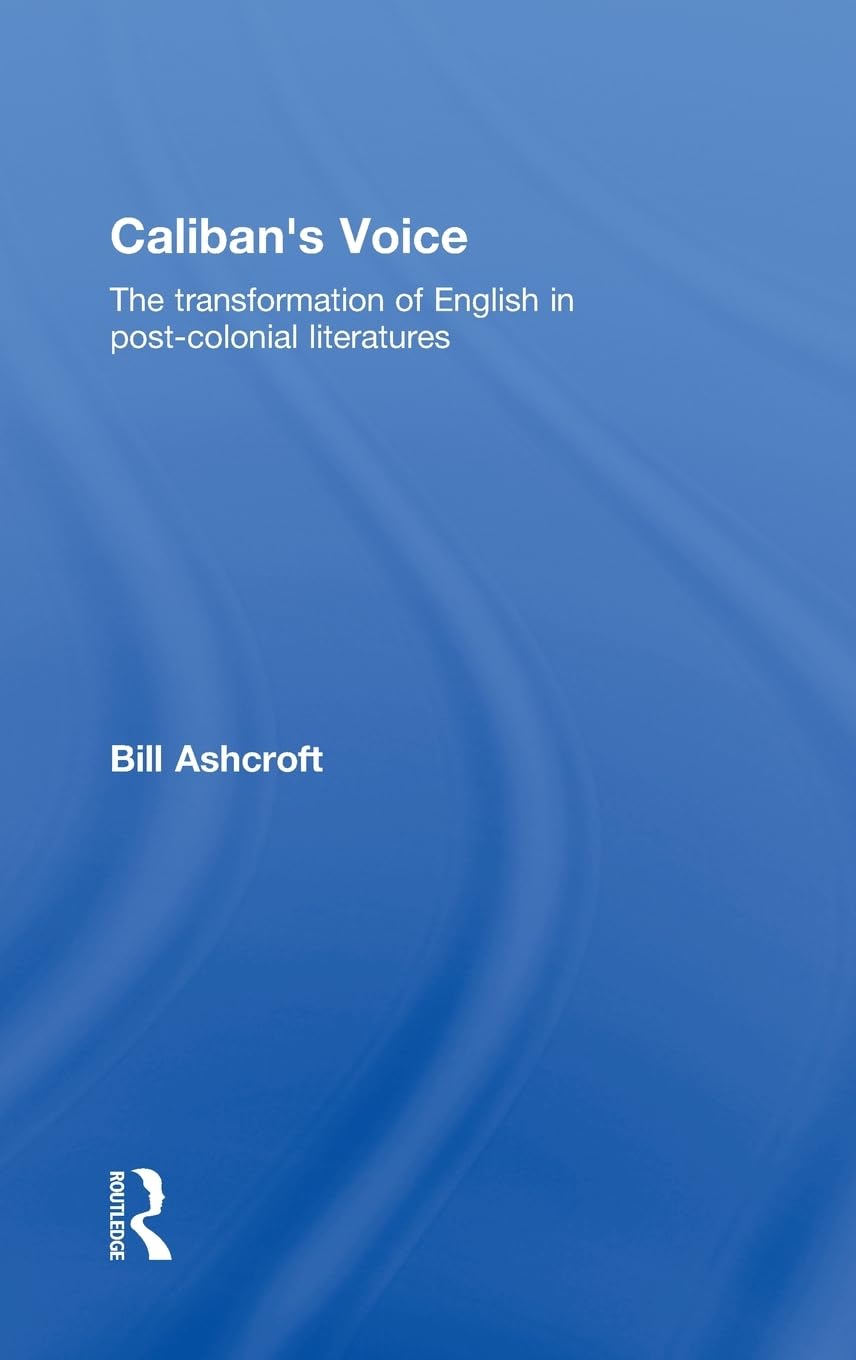
Caliban's Voice: English Transformation in Post-Colonial Lit
Caliban's Voice: English Transformation in Post-Colonial Lit
Price subject to change. Tap below for current.
Couldn't load pickup availability
Caliban's Voice is a groundbreaking exploration of the evolution of English in the context of post-colonial literatures. Authored by Bill Ashcroft, this book delves into the intricate relationship between language and identity, offering readers a profound understanding of how colonial histories have shaped contemporary literary expressions.
In Caliban's Voice, Ashcroft examines the ways in which English has been transformed by diverse cultures and experiences. The text highlights the significance of language as a tool for both oppression and liberation, showcasing how writers from formerly colonized nations have reclaimed English to articulate their unique identities. This transformation is not merely linguistic; it reflects deeper societal changes and the quest for self-definition.
The book is structured to guide readers through various themes, including the role of post-colonial literatures in reshaping narratives and the impact of globalization on language. Ashcroft provides insightful analyses of key literary figures and movements, illustrating how their works challenge traditional notions of English literature. Each chapter is rich with examples that demonstrate the dynamic interplay between language and cultural identity.
One of the standout features of Caliban's Voice is its accessibility. Ashcroft writes in a clear and engaging style, making complex ideas understandable for both scholars and general readers. This approach invites a wider audience to engage with the critical discussions surrounding language and power. The book serves as an essential resource for anyone interested in the intersections of language, culture, and politics.
Furthermore, Ashcroft's examination of language transformation extends beyond literature. He discusses the implications of these changes in everyday communication and social interactions, emphasizing the importance of recognizing the fluidity of language. This perspective encourages readers to appreciate the richness of linguistic diversity and the stories behind them.
In conclusion, Caliban's Voice is a vital contribution to the field of post-colonial studies. It challenges readers to reconsider their understanding of English and its role in shaping identities across the globe. Whether you are a student, educator, or simply a curious reader, this book offers valuable insights into the transformative power of language in a post-colonial world.
Share