Literacy as Translingual Practice: A Comprehensive Exploration
Literacy as Translingual Practice: A Comprehensive Exploration
Price subject to change. Tap below for current.
Couldn't load pickup availability
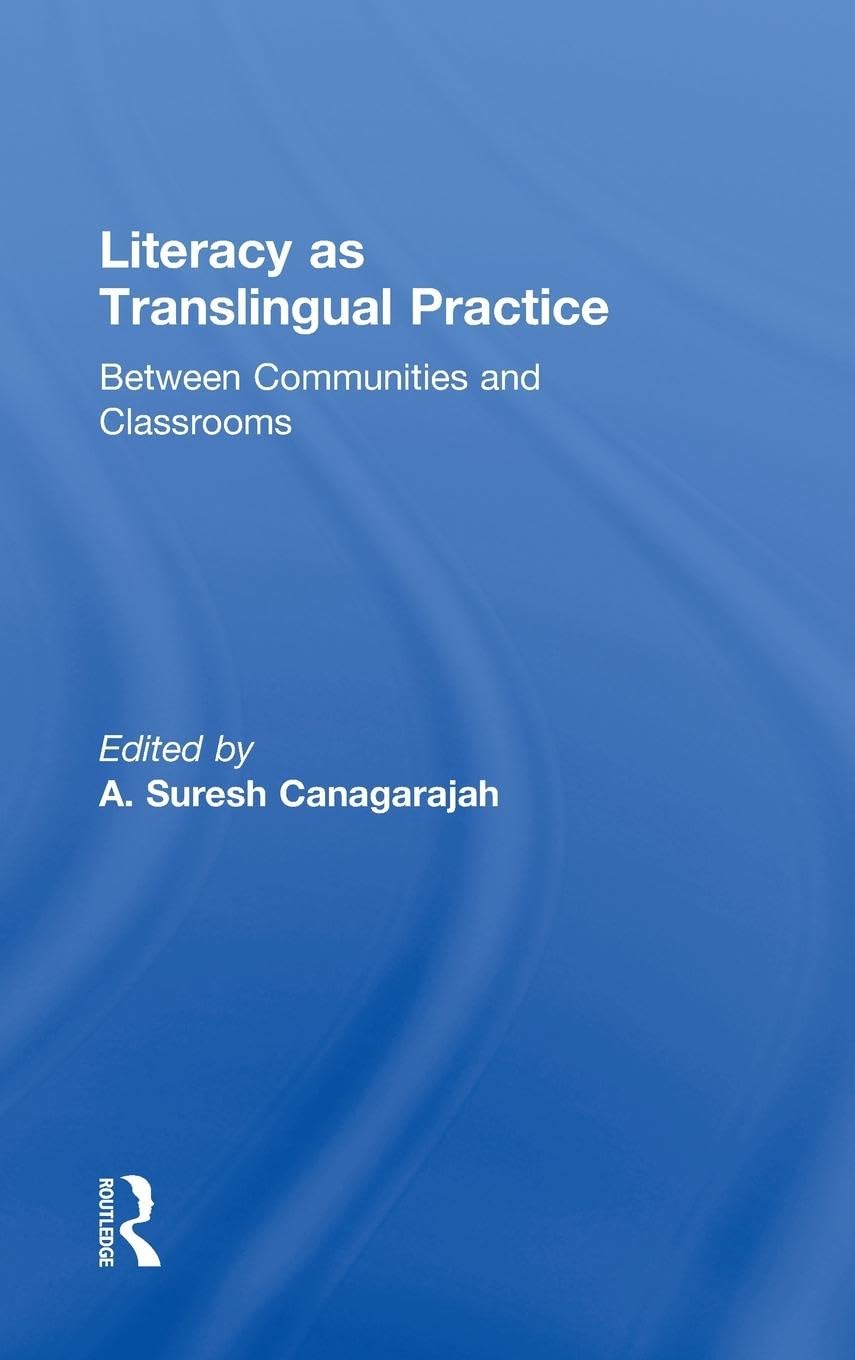
Literacy as Translingual Practice by Suresh Canagarajah offers a groundbreaking perspective on the nature of literacy in a globalized world. This book delves into the complexities of language use and how it transcends traditional boundaries, making it essential reading for educators, linguists, and anyone interested in the dynamics of communication.
In this insightful work, Canagarajah argues that literacy is not merely a skill but a dynamic practice that evolves with cultural and linguistic contexts. He emphasizes the importance of recognizing the fluidity of language and how it impacts learning and teaching in diverse environments. This perspective challenges conventional views and encourages readers to rethink their understanding of literacy.
The book is structured to guide readers through various theoretical frameworks that support translingual practices. Canagarajah provides a rich analysis of case studies that illustrate how individuals navigate multiple languages and dialects in their daily lives. These examples highlight the necessity of embracing linguistic diversity in educational settings.
One of the key features of this work is its focus on practical applications of translingual literacy. Canagarajah offers strategies for educators to implement in their classrooms, fostering an inclusive environment that values all forms of communication. This approach not only benefits students from multilingual backgrounds but also enriches the learning experience for all.
Moreover, the book addresses the challenges faced by educators in adapting to a rapidly changing linguistic landscape. Canagarajah discusses the implications of globalization and migration on literacy practices, urging educators to be proactive in their teaching methods. The insights provided in this book are invaluable for those looking to enhance their pedagogical approaches.
Readers will also appreciate the interdisciplinary nature of the content, as Canagarajah draws from various fields such as sociology, linguistics, and education. This comprehensive approach allows for a deeper understanding of the factors that influence literacy and communication in contemporary society.
In conclusion, Literacy as Translingual Practice is a vital resource for anyone interested in the intersection of language, culture, and education. Suresh Canagarajah's expertise and innovative ideas make this book a must-read for educators, researchers, and policymakers alike. By embracing the principles outlined in this work, we can create more equitable and effective learning environments that celebrate linguistic diversity.
Share