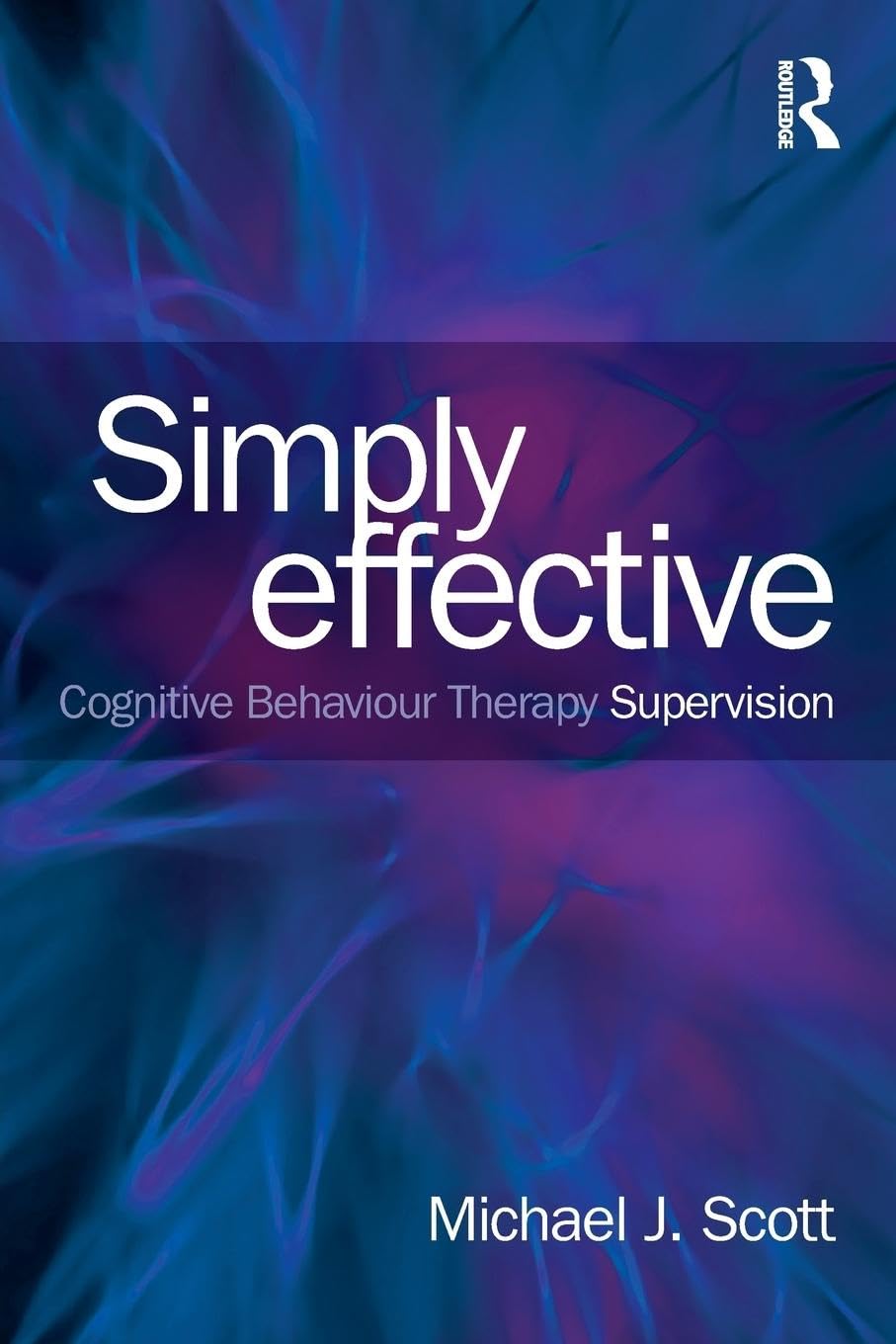
Simply Effective CBT Supervision: A Comprehensive Guide for Therapists
Simply Effective CBT Supervision: A Comprehensive Guide for Therapists
Price subject to change. Tap below for current.
Couldn't load pickup availability
In the realm of mental health, Simply Effective CBT Supervision stands out as an essential resource for therapists seeking to enhance their skills. This guide, authored by Michael J. Scott, delves into the intricacies of Cognitive Behavioral Therapy (CBT) supervision, providing invaluable insights for both novice and experienced practitioners.
The book is structured to facilitate a deep understanding of the supervision process. It emphasizes the importance of effective supervision techniques that can significantly improve therapeutic outcomes. With a focus on practical applications, readers will find strategies that can be immediately implemented in their practice.
One of the standout features of this guide is its comprehensive approach to CBT principles. Scott meticulously outlines the core concepts of CBT, ensuring that therapists are well-equipped to apply these principles in their supervision sessions. This foundational knowledge is crucial for fostering a productive learning environment.
Moreover, the book addresses common challenges faced during supervision. Scott provides practical solutions and case studies that illustrate how to navigate complex situations. These real-world examples serve as a valuable resource for therapists, enabling them to learn from the experiences of others.
Another key aspect of Simply Effective CBT Supervision is its focus on the supervisory relationship. Scott emphasizes the significance of building trust and rapport between supervisors and supervisees. This relationship is vital for creating a safe space where therapists can openly discuss their challenges and growth.
In addition to theoretical knowledge, the guide includes practical exercises designed to enhance the supervisory experience. These exercises encourage active participation and reflection, making the learning process dynamic and engaging. By incorporating these activities, therapists can foster a more interactive and enriching supervision environment.
Furthermore, the book highlights the importance of ongoing professional development. Scott advocates for continuous learning and adaptation in the field of CBT. By staying updated with the latest research and techniques, therapists can ensure they are providing the best possible care to their clients.
In conclusion, Simply Effective CBT Supervision is a must-have for any therapist looking to refine their supervision skills. With its practical insights, comprehensive coverage of CBT principles, and focus on the supervisory relationship, this guide is an invaluable addition to any mental health professional's library. Whether you are new to supervision or looking to enhance your existing skills, this book offers the tools and knowledge necessary for success.
Share