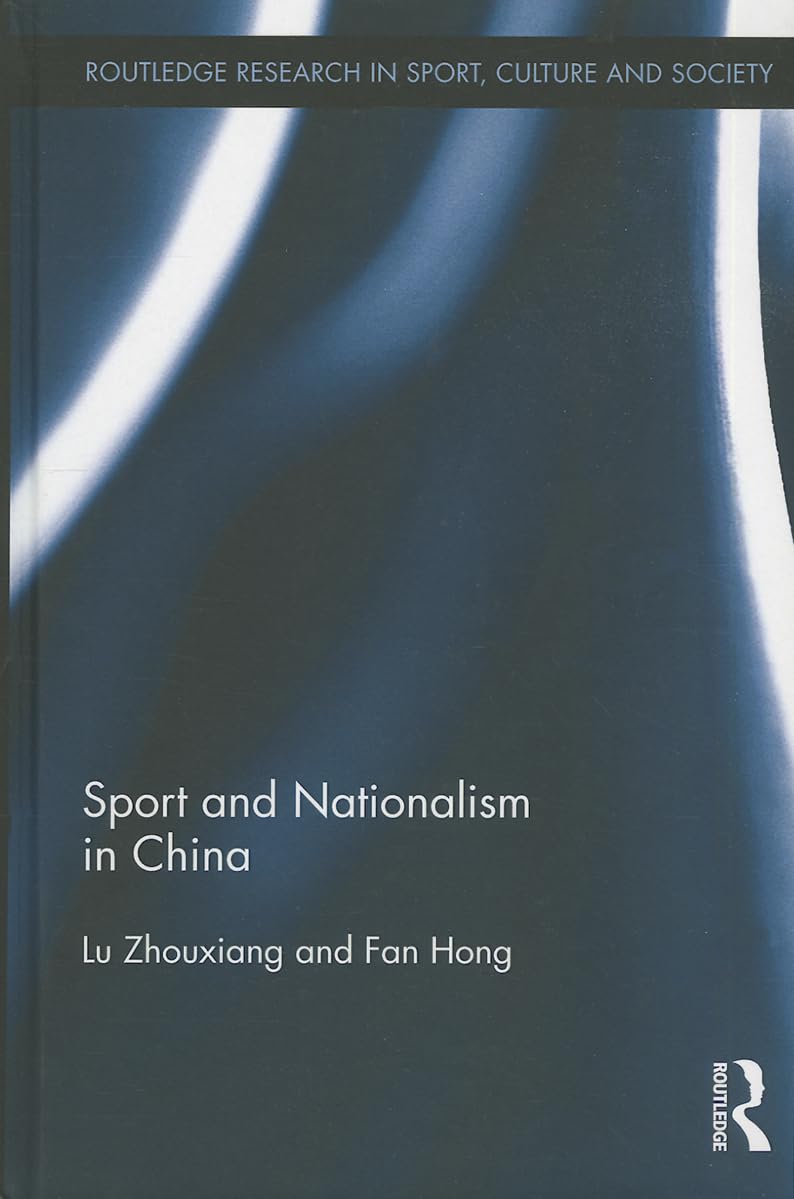
Sport and Nationalism in China: A Deep Dive into Culture
Sport and Nationalism in China: A Deep Dive into Culture
Price subject to change. Tap below for current.
Couldn't load pickup availability
The book Sport and Nationalism in China offers a comprehensive exploration of the intricate relationship between sports and national identity in China. Authored by Zhouxiang Lu and Fan Hong, this scholarly work delves into how sports have been utilized as a tool for fostering national pride and unity.
In recent years, the role of nationalism in sports has become increasingly significant, especially in the context of China's rapid development on the global stage. This book examines various case studies that illustrate how sports events, from the Olympics to local competitions, serve as platforms for expressing national sentiment.
One of the key themes discussed is the impact of political influences on sports in China. The authors analyze how government policies shape athletic programs and influence the representation of national identity through sports. This critical perspective provides readers with a deeper understanding of the complexities involved in the intersection of politics and athletics.
The book also highlights the role of cultural heritage in sports, showcasing how traditional Chinese sports are being revitalized in modern contexts. This aspect is particularly fascinating as it reveals the ongoing dialogue between past and present, and how cultural elements are integrated into contemporary sporting practices.
Moreover, the authors address the challenges faced by athletes in a highly competitive environment, where national expectations can be overwhelming. Through personal narratives and interviews, the book sheds light on the psychological and emotional toll that comes with representing one's country on the international stage.
Another important focus is the globalization of sports and its implications for Chinese nationalism. As international competitions become more prevalent, the authors discuss how this phenomenon affects national pride and the perception of Chinese athletes abroad. This analysis is crucial for understanding the evolving nature of national identity in a globalized world.
In conclusion, Sport and Nationalism in China is an essential read for anyone interested in the sociology of sport, cultural studies, and the dynamics of nationalism. It offers valuable insights into how sports not only reflect but also shape national identity in contemporary China, making it a significant contribution to the field of sports studies.
Share