Regular price
$160.00 USD
Price subject to change. Tap below for current.
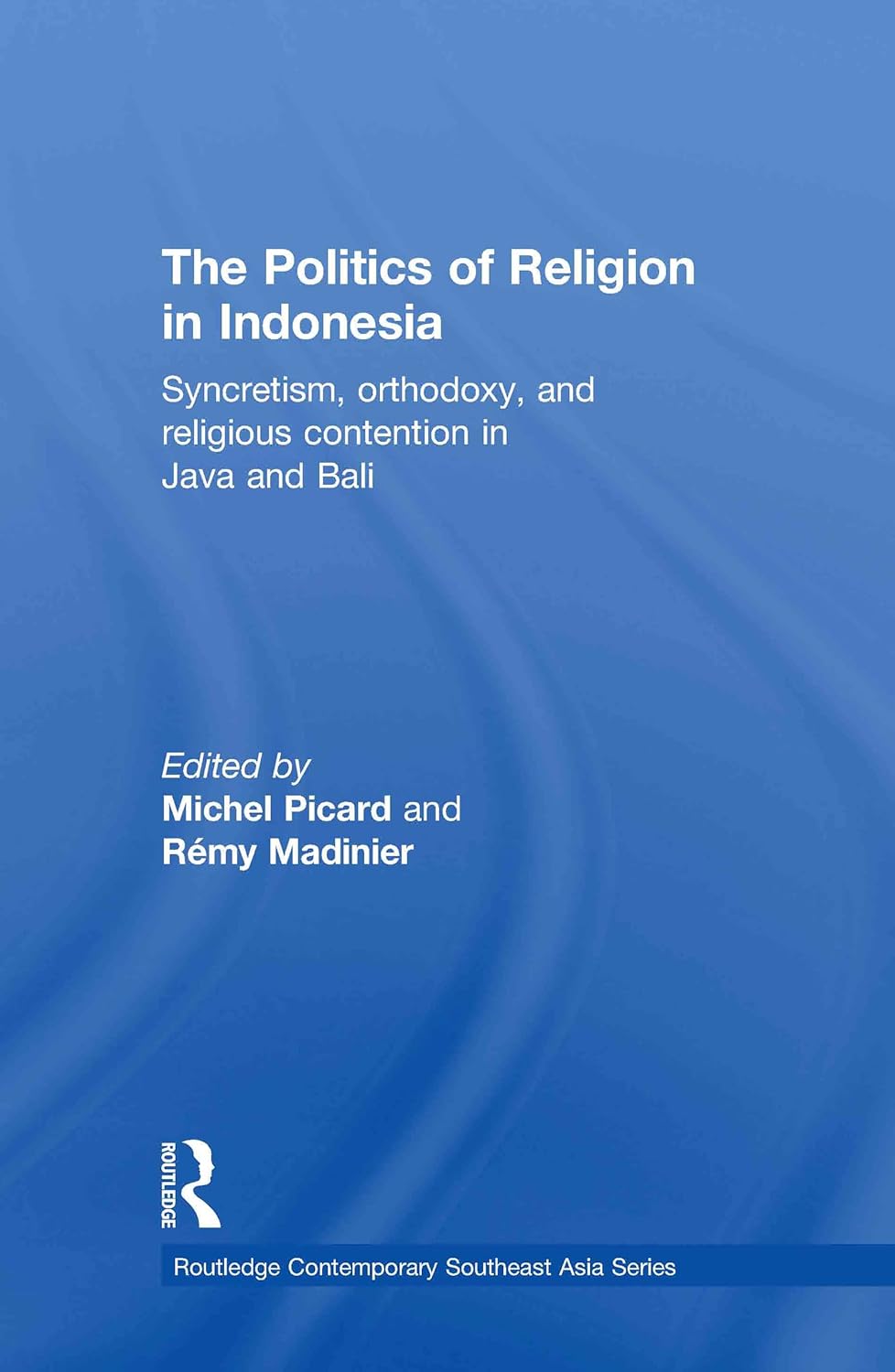
The Politics of Religion in Indonesia offers a profound exploration of the intricate relationship between faith and governance in one of the world's most diverse nations. This insightful book delves into the complexities of religious dynamics, providing readers with a comprehensive understanding of how religion influences political landscapes.
In this compelling narrative, the authors, Michel Picard and Remy Madinier, examine the historical context that has shaped the current state of religious politics in Indonesia. They highlight key events and movements that have defined the role of religion in the public sphere, making it essential reading for anyone interested in Southeast Asian studies.
One of the standout features of this book is its in-depth analysis of the various religious groups in Indonesia. The authors meticulously detail the interactions between Islam, Christianity, and indigenous beliefs, showcasing how these faiths coexist and sometimes clash. This exploration of interfaith relations is crucial for understanding the broader implications of religious identity in Indonesian society.
Furthermore, the book addresses the impact of globalization on religious practices and beliefs. As Indonesia continues to engage with the world, the authors argue that external influences are reshaping local religious expressions. This discussion of globalization and religion is particularly relevant in today's interconnected world.
The Politics of Religion in Indonesia also tackles the challenges posed by radicalism and extremism. The authors provide a nuanced perspective on how these issues affect national security and social cohesion. Their insights into the rise of religious extremism in Indonesia are both timely and critical for policymakers and scholars alike.
In addition to its rich content, the book is well-structured, making it accessible to a wide audience. Each chapter builds on the previous one, allowing readers to grasp complex concepts without feeling overwhelmed. The inclusion of case studies further enriches the text, providing real-world examples of the theories discussed.
Overall, The Politics of Religion in Indonesia is an essential resource for anyone seeking to understand the multifaceted role of religion in shaping Indonesian politics. Its thorough research and engaging writing style make it a valuable addition to the Routledge Contemporary Southeast Asia Series. Whether you are a student, researcher, or simply interested in the subject, this book will deepen your understanding of religion and politics in Indonesia.