Civil Society and Participatory Governance in Latin America
Civil Society and Participatory Governance in Latin America
Price subject to change. Tap below for current.
Couldn't load pickup availability
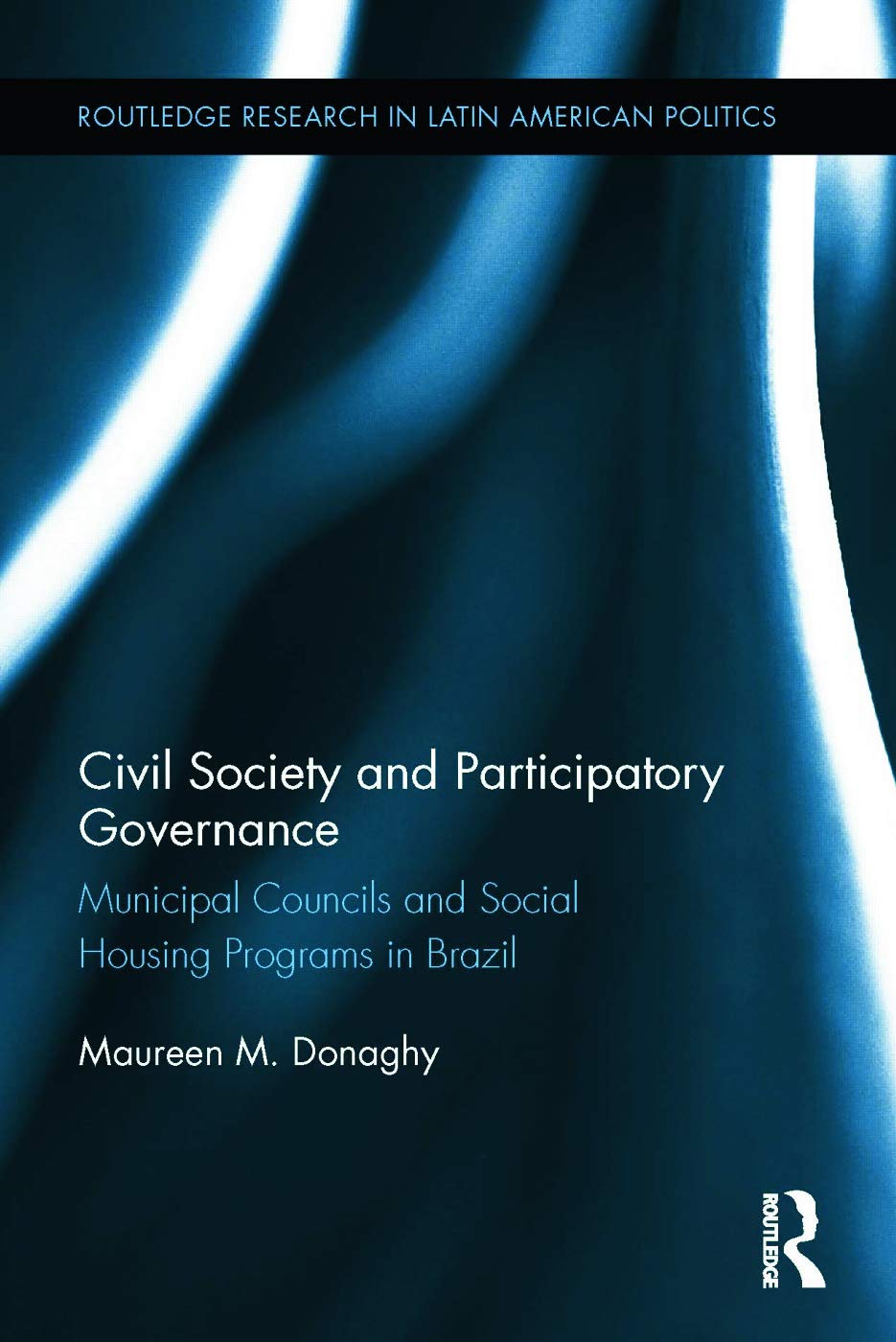
The book Civil Society and Participatory Governance explores the intricate relationship between civil society and governance in Latin America. It delves into how participatory governance can empower communities and enhance democratic practices. The author, Maureen M. Donaghy, provides a comprehensive analysis of various case studies that illustrate the effectiveness of civil society in influencing policy decisions.
One of the key themes of the book is the role of community engagement in fostering transparency and accountability within governmental institutions. By examining different models of governance, Donaghy highlights the importance of citizen involvement in shaping public policies that reflect the needs and aspirations of the populace.
Furthermore, the book discusses the challenges faced by civil society organizations in Latin America, including political repression and limited resources. Despite these obstacles, many organizations have successfully mobilized citizens to advocate for their rights and demand greater government responsiveness. The author emphasizes the resilience of these groups and their ability to adapt to changing political landscapes.
In addition to theoretical insights, Civil Society and Participatory Governance offers practical recommendations for enhancing participatory practices. Donaghy suggests that fostering a culture of collaboration between government and civil society can lead to more effective governance outcomes. This is particularly relevant in the context of ongoing social movements that seek to address inequality and injustice.
The book also examines the impact of technology on civic engagement. With the rise of digital platforms, civil society organizations have new tools at their disposal to mobilize support and disseminate information. Donaghy explores how these innovations can enhance public participation and create more inclusive decision-making processes.
Overall, Civil Society and Participatory Governance is an essential read for scholars, practitioners, and anyone interested in understanding the dynamics of governance in Latin America. It provides valuable insights into the ways in which civil society can contribute to democratic consolidation and social change.
In conclusion, this book is a significant contribution to the field of Latin American politics, offering a nuanced perspective on the interplay between civil society and governance. It serves as a reminder of the vital role that citizens play in shaping their own destinies and the importance of fostering a participatory culture in democratic societies.
Share