Relational and Collaborative Approaches to Public Diplomacy
Relational and Collaborative Approaches to Public Diplomacy
Price subject to change. Tap below for current.
Couldn't load pickup availability
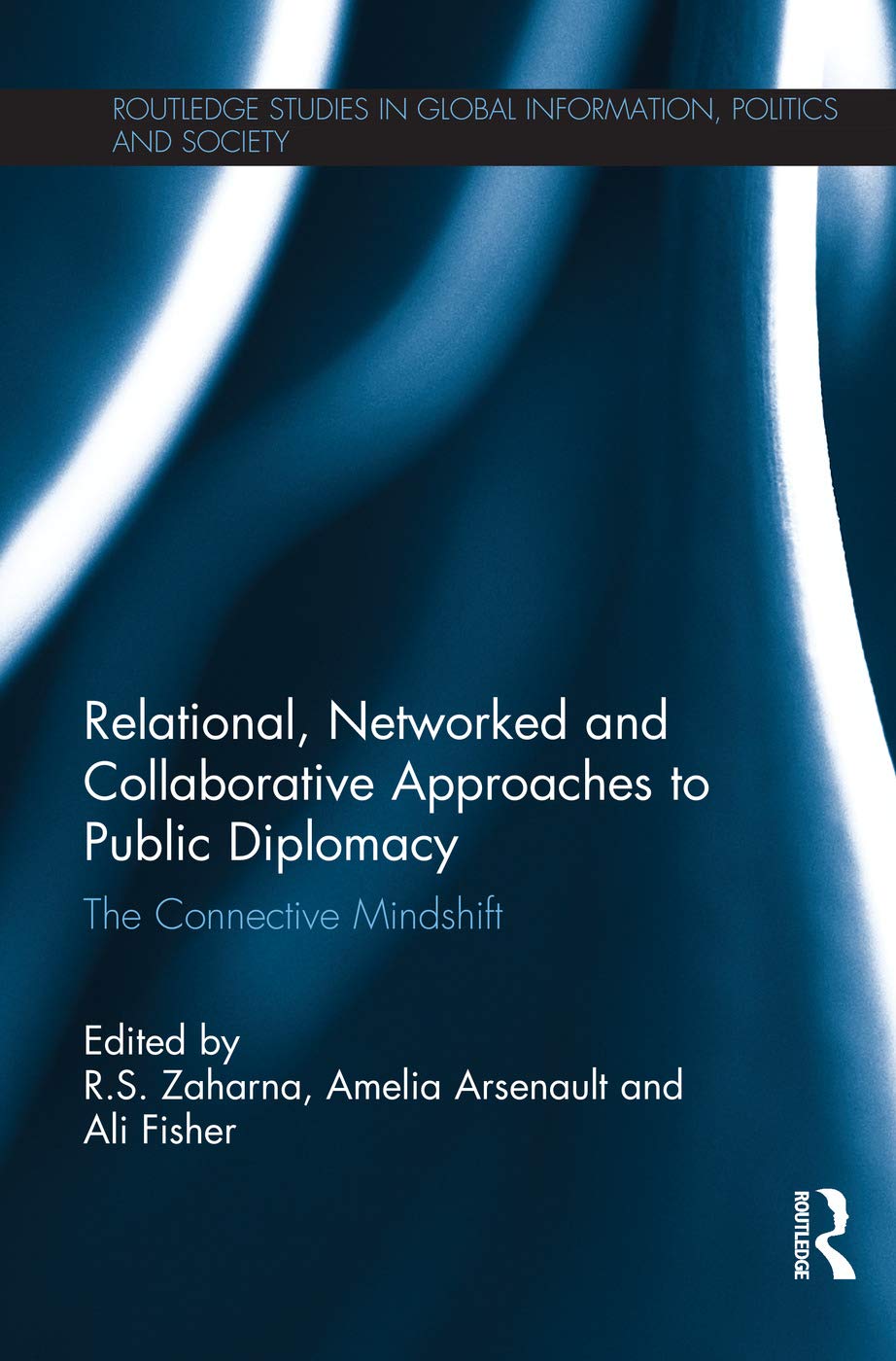
The book Relational, Networked and Collaborative Approaches to Public Diplomacy offers a comprehensive exploration of modern diplomatic practices. Authored by R.S. Zaharna, Amelia Arsenault, and Ali Fisher, this insightful work delves into the evolving landscape of public diplomacy in the context of global information and politics.
In today's interconnected world, traditional diplomatic methods are being challenged by the rise of networked communication and collaborative strategies. This book emphasizes the importance of understanding these new dynamics and how they influence international relations. The authors present a compelling argument for the necessity of adapting diplomatic approaches to meet the demands of a rapidly changing global environment.
One of the key themes of the book is the role of relational diplomacy in fostering mutual understanding and cooperation among nations. The authors provide numerous case studies that illustrate how relational strategies can enhance diplomatic effectiveness. By focusing on building relationships rather than merely negotiating agreements, diplomats can achieve more sustainable outcomes.
The text also highlights the significance of collaborative approaches in public diplomacy. The authors argue that collaboration among various stakeholders, including governments, NGOs, and the private sector, is essential for addressing complex global challenges. This perspective encourages readers to rethink traditional notions of diplomacy and consider the benefits of working together.
Furthermore, the book discusses the impact of technology on public diplomacy. The rise of social media and digital platforms has transformed the way information is disseminated and consumed. The authors explore how these tools can be leveraged to enhance public engagement and facilitate dialogue between nations. By embracing technology, diplomats can reach wider audiences and foster greater participation in the diplomatic process.
Throughout the book, the authors provide practical recommendations for practitioners in the field of public diplomacy. They emphasize the need for diplomats to develop skills in networking and relationship-building, as these are crucial for success in the modern diplomatic arena. The insights offered in this book are invaluable for anyone looking to navigate the complexities of contemporary diplomacy.
In conclusion, Relational, Networked and Collaborative Approaches to Public Diplomacy is a must-read for scholars, practitioners, and students interested in understanding the future of diplomacy. With its rich analysis and practical insights, this book serves as a vital resource for those seeking to engage effectively in the global arena.
Share