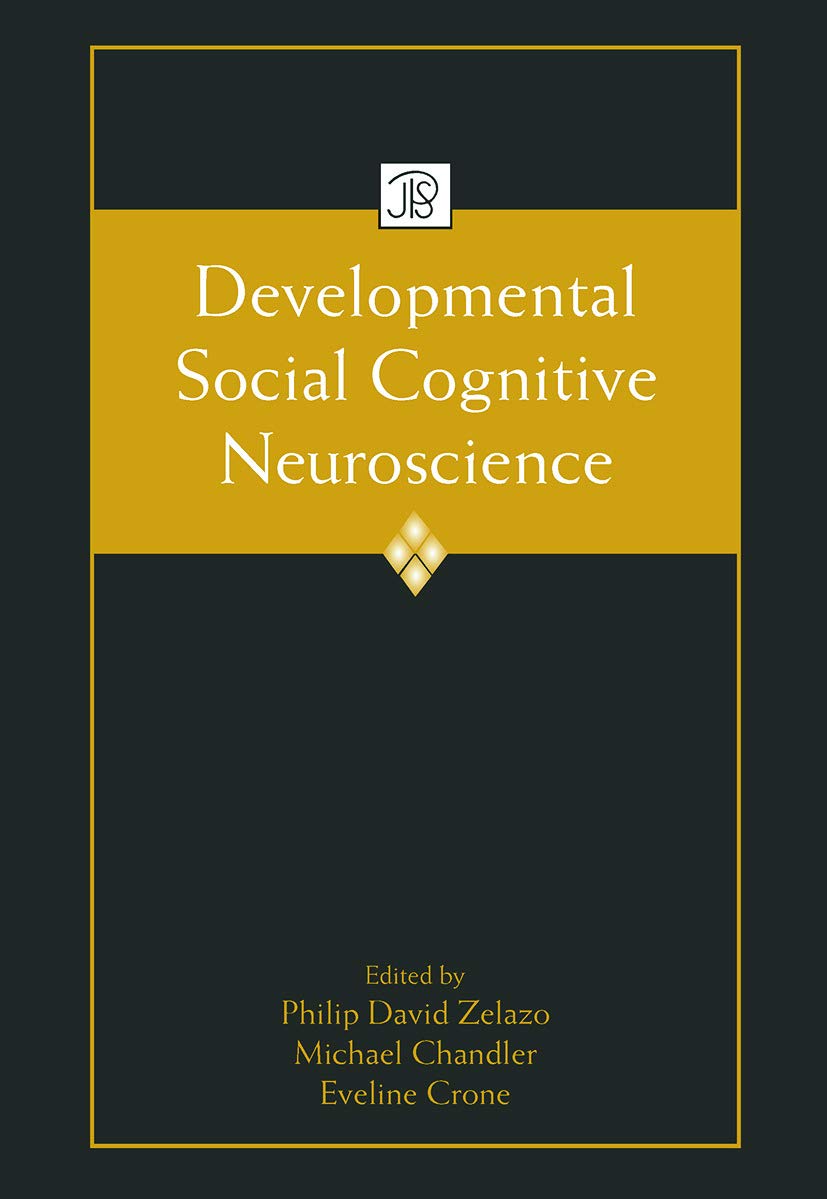
Developmental Social Cognitive Neuroscience Insights and Research
Developmental Social Cognitive Neuroscience Insights and Research
Price subject to change. Tap below for current.
Couldn't load pickup availability
The book Developmental Social Cognitive Neuroscience offers a comprehensive exploration of the intersection between cognitive development and social neuroscience. This volume, part of the Jean Piaget Symposia Series, presents cutting-edge research that delves into how children develop social cognition and the neural mechanisms that underlie these processes.
Edited by renowned scholars Philip David Zelazo, Michael Chandler, and Eveline Crone, this text compiles contributions from leading experts in the field. Each chapter provides insights into various aspects of social cognitive development, making it an essential resource for researchers, educators, and students alike.
One of the key themes of the book is the role of neuroscience in understanding social behavior. The authors discuss how brain development influences social interactions and cognitive processes in children, shedding light on the complexities of social learning. This perspective is crucial for anyone interested in the developmental aspects of psychology and neuroscience.
The chapters are structured to cover a wide range of topics, including the impact of environmental factors on cognitive growth and the significance of early social experiences. Each section is meticulously researched, providing a solid foundation for understanding how social cognition evolves over time.
In addition to theoretical discussions, the book includes empirical studies that highlight the latest findings in the field. These studies offer valuable data on how children's brains process social information, making it a vital resource for those conducting research in developmental psychology and neuroscience.
Furthermore, the volume emphasizes the importance of interdisciplinary approaches in studying social cognition. By integrating perspectives from psychology, neuroscience, and education, the authors encourage a holistic understanding of child development. This approach not only enriches the academic discourse but also provides practical implications for educators and practitioners.
Readers will appreciate the clarity and depth of the writing, which makes complex concepts accessible without sacrificing academic rigor. The book is designed to engage both seasoned researchers and newcomers to the field, ensuring that it serves as a valuable reference for years to come.
Overall, Developmental Social Cognitive Neuroscience is a must-read for anyone interested in the intricate relationship between cognitive development and social interaction. Its comprehensive coverage and insightful analysis make it an indispensable addition to the library of any scholar or practitioner in the field.
Share