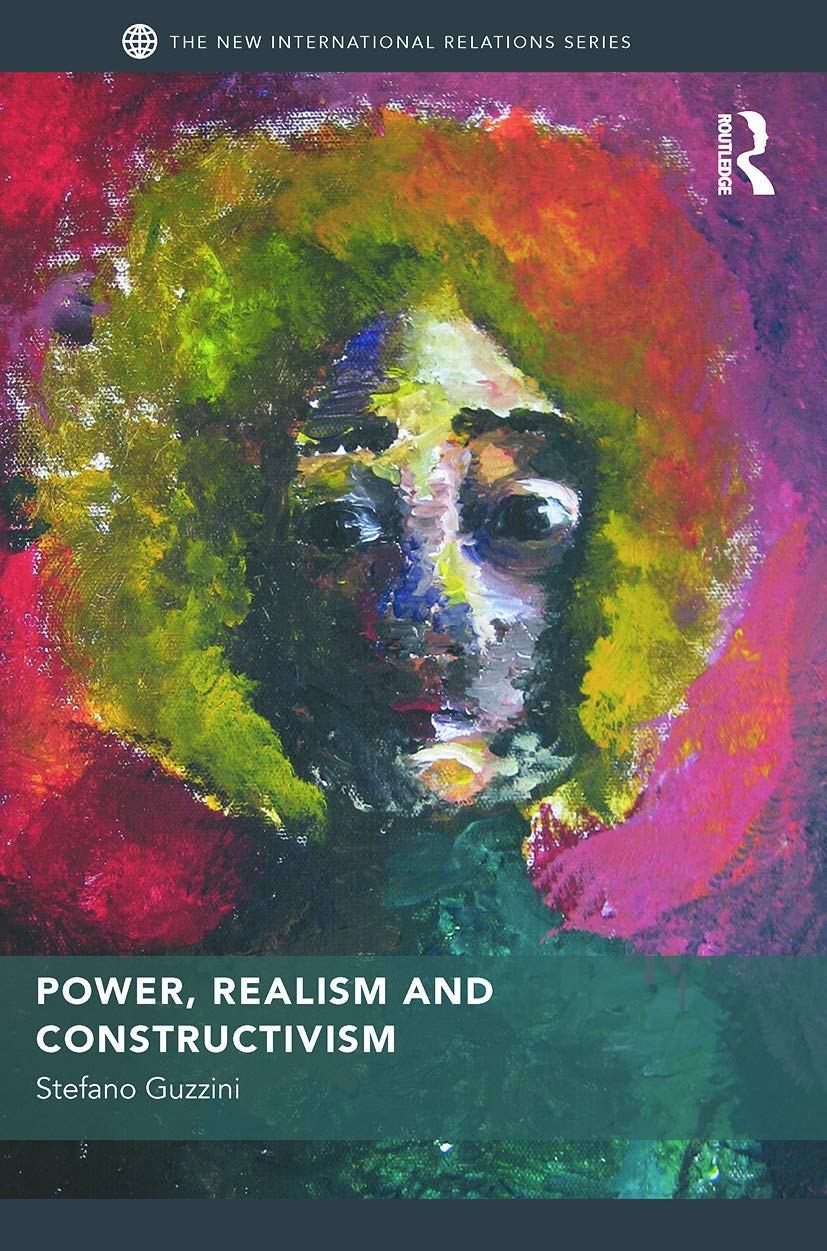
Power and Realism in Constructivism for International Relations
Power and Realism in Constructivism for International Relations
Price subject to change. Tap below for current.
Couldn't load pickup availability
The book Power, Realism and Constructivism offers a comprehensive exploration of the intricate dynamics that shape international relations. Authored by Stefano Guzzini, this text delves into the fundamental theories that govern global interactions, making it an essential read for students and scholars alike.
One of the standout features of this book is its ability to articulate complex ideas in a clear and engaging manner. Guzzini expertly navigates through the realms of realism and constructivism, providing readers with a nuanced understanding of how these theories influence state behavior and international politics.
Throughout the chapters, the author emphasizes the importance of power in shaping international relations. The discussion on power dynamics is particularly enlightening, as it highlights the various forms of power that exist beyond mere military might. Guzzini's insights into soft power and its implications for diplomacy are especially relevant in today's interconnected world.
Moreover, the book addresses the evolving nature of international relations, particularly in the context of globalization. Guzzini argues that traditional theories must adapt to account for new challenges and opportunities, making this text a timely contribution to the field. The exploration of constructivist approaches provides a fresh perspective on how identities and norms influence state actions.
Readers will appreciate the extensive research and references that support Guzzini's arguments. The book is well-structured, with each chapter building upon the last, allowing for a coherent flow of ideas. The inclusion of case studies further enriches the discussion, illustrating how theoretical concepts manifest in real-world scenarios.
In addition to its academic rigor, Power, Realism and Constructivism is accessible to a broader audience. Guzzini's writing style is engaging, making complex theories understandable without oversimplifying them. This balance makes the book suitable for both seasoned scholars and newcomers to the field of international relations.
Overall, this text is a vital resource for anyone interested in the mechanics of global politics. Whether you are a student, educator, or policy-maker, Guzzini's work will deepen your understanding of the forces at play in international relations. The book's emphasis on theoretical frameworks and their practical implications ensures that it remains relevant in an ever-changing geopolitical landscape.
Share