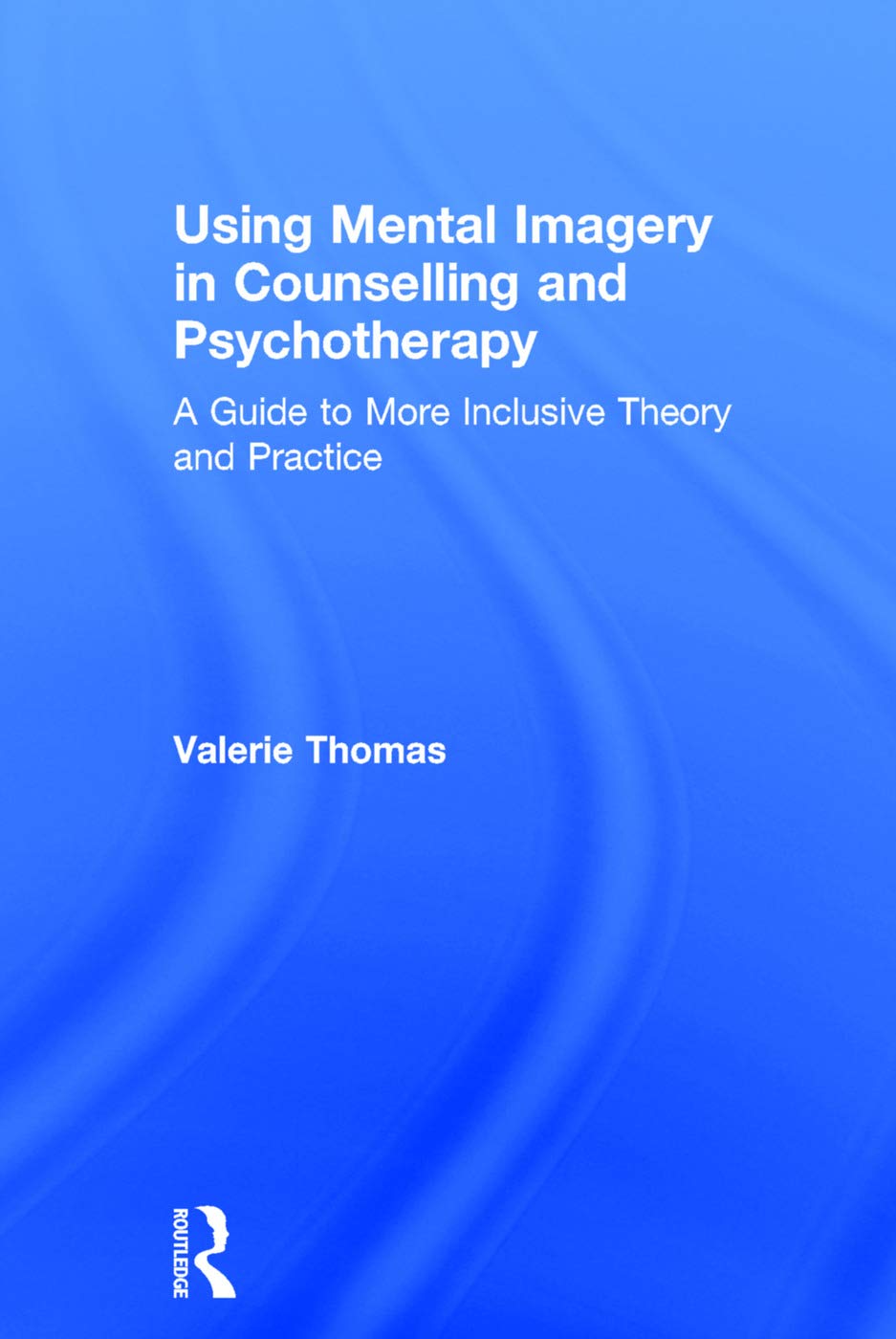
Using Mental Imagery in Counselling and Psychotherapy Guide
Using Mental Imagery in Counselling and Psychotherapy Guide
Price subject to change. Tap below for current.
Couldn't load pickup availability
In the realm of mental health, Using Mental Imagery has emerged as a transformative approach in counselling and psychotherapy. This guide provides practitioners with essential insights into how mental imagery can enhance therapeutic practices, making them more inclusive and effective. The author, Valerie Thomas, delves into the intricacies of mental imagery, offering a comprehensive overview that is both informative and practical.
One of the key features of this guide is its focus on inclusive theory. It emphasizes the importance of adapting therapeutic techniques to meet the diverse needs of clients. By incorporating mental imagery, therapists can create a more personalized experience that resonates with individuals from various backgrounds. This adaptability is crucial in today's multicultural society, where a one-size-fits-all approach often falls short.
The book also explores the various applications of mental imagery techniques in different therapeutic settings. Whether you are working with children, adolescents, or adults, the strategies outlined in this guide can be tailored to suit the unique challenges faced by each demographic. This versatility makes it an invaluable resource for both seasoned professionals and those new to the field.
Another significant aspect of this guide is its emphasis on the scientific basis of mental imagery. Valerie Thomas presents a wealth of research that supports the efficacy of these techniques, ensuring that practitioners are equipped with evidence-based methods. This foundation not only enhances the credibility of the practices but also instills confidence in therapists as they implement these strategies with their clients.
Furthermore, the guide includes practical exercises and case studies that illustrate the application of mental imagery in therapy. These real-world examples provide readers with a clearer understanding of how to integrate these techniques into their own practice. The hands-on approach encourages therapists to experiment with mental imagery, fostering a sense of creativity and innovation in their sessions.
In addition to its practical applications, the guide also addresses the potential challenges that may arise when using mental imagery approaches. Valerie Thomas offers insightful solutions and tips for overcoming these obstacles, ensuring that therapists feel supported throughout their journey. This proactive approach is essential for fostering a positive therapeutic environment where clients can thrive.
Overall, 'Using Mental Imagery in Counselling and Psychotherapy' is a must-have resource for anyone in the mental health field. Its focus on inclusivity, scientific backing, and practical application makes it an essential addition to any therapist's library. By embracing the power of mental imagery, practitioners can enhance their effectiveness and provide a more enriching experience for their clients.
Share