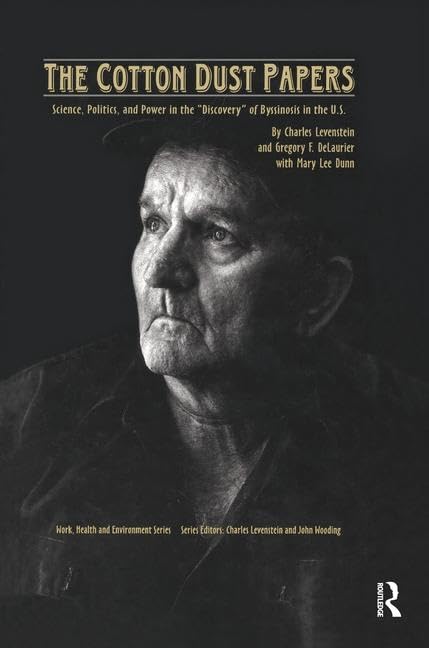
The Cotton Dust Papers: Science, Politics, and Power in Byssinosis
The Cotton Dust Papers: Science, Politics, and Power in Byssinosis
Price subject to change. Tap below for current.
Couldn't load pickup availability
The Cotton Dust Papers is a compelling exploration of the intricate relationship between science, politics, and public health in the United States. This book delves into the historical context surrounding the discovery of byssinosis, a respiratory disease linked to cotton dust exposure, and its implications for workers' rights and environmental health.
Authored by Charles Levenstein, this insightful work is part of the Work, Health and Environment Series, which aims to shed light on critical issues affecting labor and health. The narrative is rich with details that highlight the struggles faced by cotton mill workers, making it a vital read for anyone interested in labor history and public health advocacy.
Levenstein meticulously documents the scientific studies that led to the recognition of byssinosis, illustrating how political interests often overshadowed the health concerns of workers. The book serves as a reminder of the importance of scientific integrity and the need for policies that prioritize worker safety over corporate profits.
Throughout the pages, readers will find a thorough analysis of the political dynamics that influenced research funding and public perception of byssinosis. Levenstein's work is not just a historical account; it is a call to action for contemporary readers to remain vigilant about the intersection of health, science, and policy.
The Cotton Dust Papers also emphasizes the role of grassroots movements in advocating for better working conditions. The stories of those who fought for recognition of byssinosis are woven into the narrative, providing a human element that resonates deeply with readers. This aspect of the book highlights the power of community activism in effecting change.
In addition to its historical significance, the book raises important questions about current labor practices and the ongoing challenges faced by workers in hazardous environments. Levenstein encourages readers to reflect on the lessons learned from the past and to consider how they apply to today's workforce.
Overall, The Cotton Dust Papers is an essential read for anyone interested in the complexities of health policy, labor rights, and environmental justice. It is a well-researched and thought-provoking book that will leave a lasting impact on its audience, urging them to advocate for a safer and healthier future for all workers.
Share