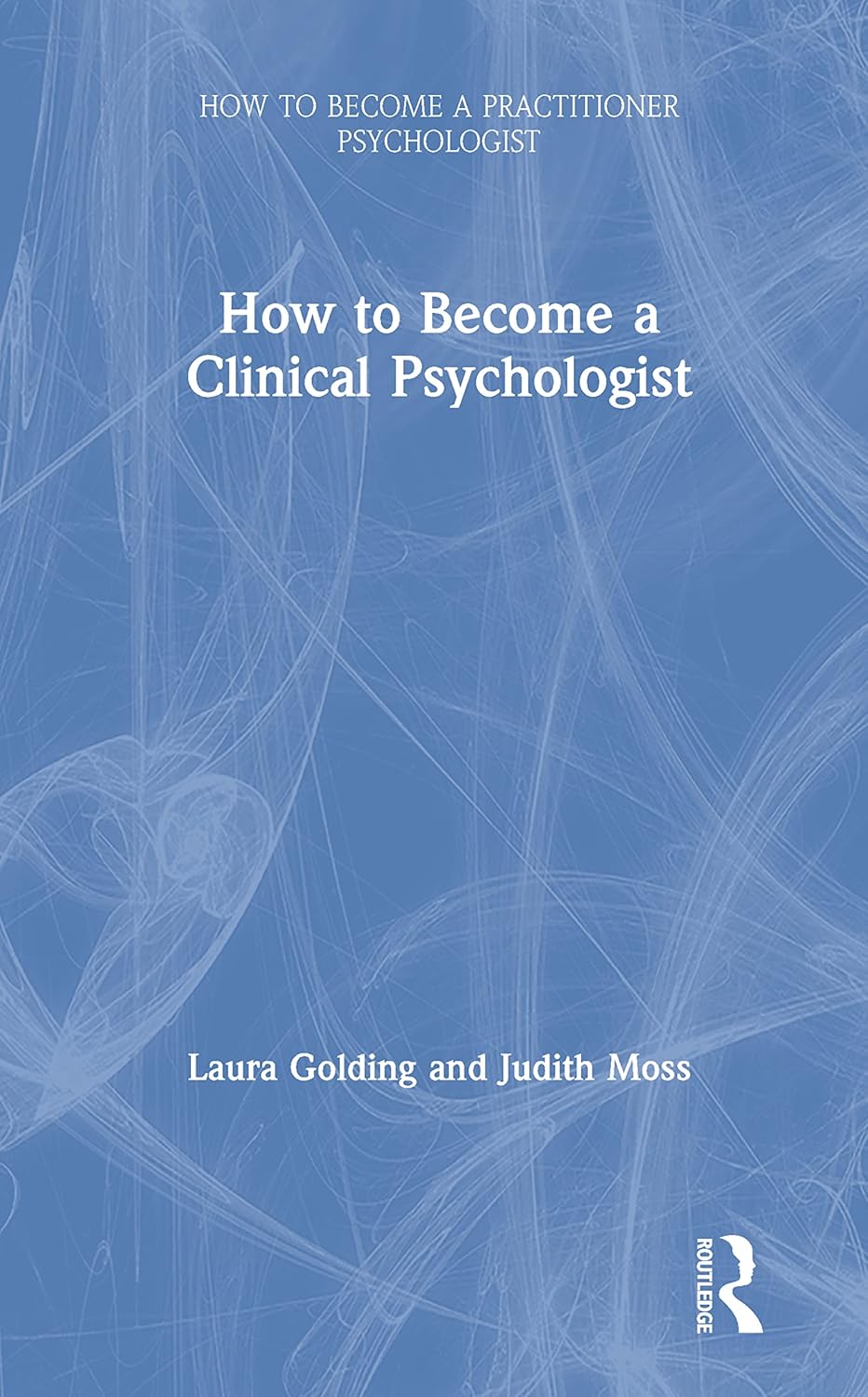
How to Become a Clinical Psychologist: A Comprehensive Guide
How to Become a Clinical Psychologist: A Comprehensive Guide
Price subject to change. Tap below for current.
Couldn't load pickup availability
Becoming a clinical psychologist is a rewarding journey that requires dedication and a clear understanding of the necessary steps. This guide, How to Become a Clinical Psychologist, provides aspiring practitioners with essential insights into the field. It covers everything from educational requirements to practical experience, ensuring you are well-prepared for a successful career.
The first step in your journey is obtaining the right education. Most clinical psychologists hold a doctoral degree in psychology, which typically takes between 5 to 7 years to complete. This guide emphasizes the importance of choosing the right program that aligns with your career goals and interests. Educational requirements are crucial, as they lay the foundation for your future practice.
After completing your degree, gaining practical experience is vital. This often involves internships or supervised practice, which can last for several years. The guide outlines various opportunities for practical experience, helping you to build your skills and confidence in a clinical setting. Networking during this phase can also open doors to future job opportunities.
Licensure is another critical aspect of becoming a clinical psychologist. Each state has its own requirements, which can include passing the Examination for Professional Practice in Psychology (EPPP). The guide provides detailed information on licensure requirements, ensuring you understand what is needed to practice legally and ethically.
Continuing education is essential in the field of psychology. The guide stresses the importance of staying updated with the latest research and techniques. Engaging in continuing education not only enhances your skills but also helps you maintain your licensure and stay competitive in the job market.
Additionally, the guide explores various specializations within clinical psychology, such as child psychology, neuropsychology, and health psychology. Each specialization offers unique challenges and rewards, and understanding these can help you make informed decisions about your career path. The section on specializations in clinical psychology is particularly valuable for those looking to tailor their practice to specific populations or issues.
Finally, the guide addresses the importance of self-care and mental health for practitioners. Working in this field can be emotionally taxing, and maintaining your own well-being is crucial for providing effective care to clients. The emphasis on self-care for psychologists serves as a reminder that your health is just as important as that of your clients.
In conclusion, How to Become a Clinical Psychologist is an indispensable resource for anyone considering a career in this field. With comprehensive information on education, licensure, practical experience, and self-care, this guide equips you with the knowledge needed to embark on your journey toward becoming a successful clinical psychologist.
Share