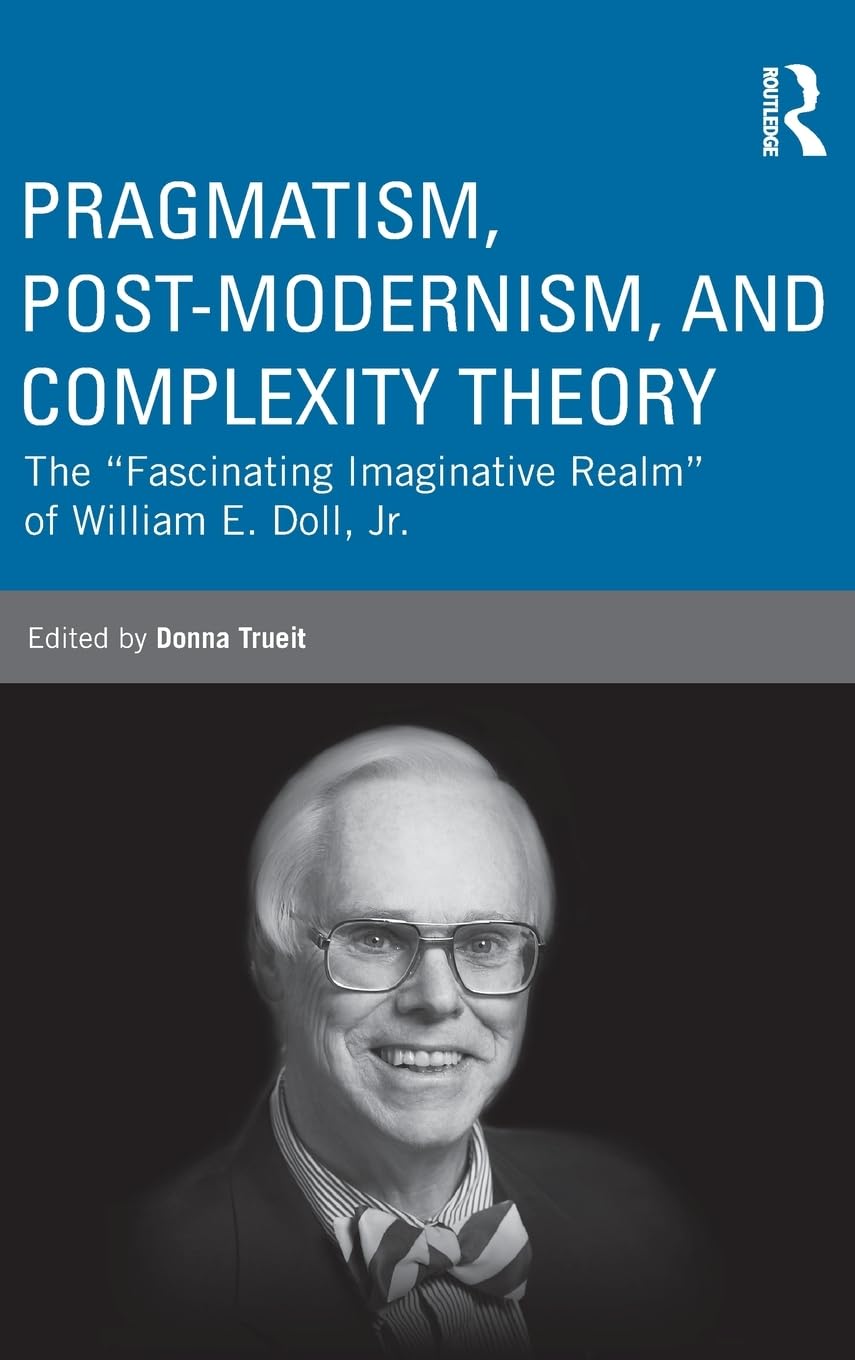
Pragmatism, Post-modernism, and Complexity Theory Explored
Pragmatism, Post-modernism, and Complexity Theory Explored
Price subject to change. Tap below for current.
Couldn't load pickup availability
The book Pragmatism, Post-modernism, and Complexity Theory delves into the intricate ideas of William E. Doll, Jr., offering a comprehensive exploration of his contributions to the field of curriculum theory. This insightful text is part of the Studies in Curriculum Theory Series, making it a valuable resource for educators, researchers, and students alike.
In this work, Doll challenges traditional educational paradigms by integrating pragmatism and post-modernism into a cohesive framework. His approach emphasizes the importance of understanding the complexities of learning environments and the dynamic nature of knowledge. By doing so, he invites readers to reconsider how they perceive and engage with educational practices.
One of the key themes in this book is the notion of complexity theory, which Doll uses to illustrate the interconnectedness of various educational elements. He argues that learning cannot be understood in isolation; rather, it is a multifaceted process influenced by numerous factors, including culture, context, and individual experiences.
Doll's writing is both engaging and thought-provoking, making complex ideas accessible to a wide audience. He employs a narrative style that encourages readers to reflect on their own educational philosophies and practices. This book is not just a theoretical exploration; it also offers practical insights for educators seeking to implement Doll's ideas in their classrooms.
Throughout the text, Doll emphasizes the significance of imagination in education. He believes that fostering creativity and critical thinking is essential for preparing students to navigate an increasingly complex world. By integrating imaginative approaches into the curriculum, educators can inspire students to become active participants in their learning journeys.
Moreover, the book addresses the challenges and opportunities presented by contemporary educational landscapes. Doll's insights are particularly relevant in today's context, where traditional methods are often questioned, and innovative practices are emerging. His work serves as a guide for those looking to adapt to these changes while remaining grounded in sound educational principles.
In conclusion, Pragmatism, Post-modernism, and Complexity Theory is a must-read for anyone interested in the evolution of curriculum theory. William E. Doll, Jr.'s ideas resonate with educators striving to create meaningful learning experiences. This book not only enriches the academic discourse but also provides practical tools for enhancing educational practices in diverse settings.
Share