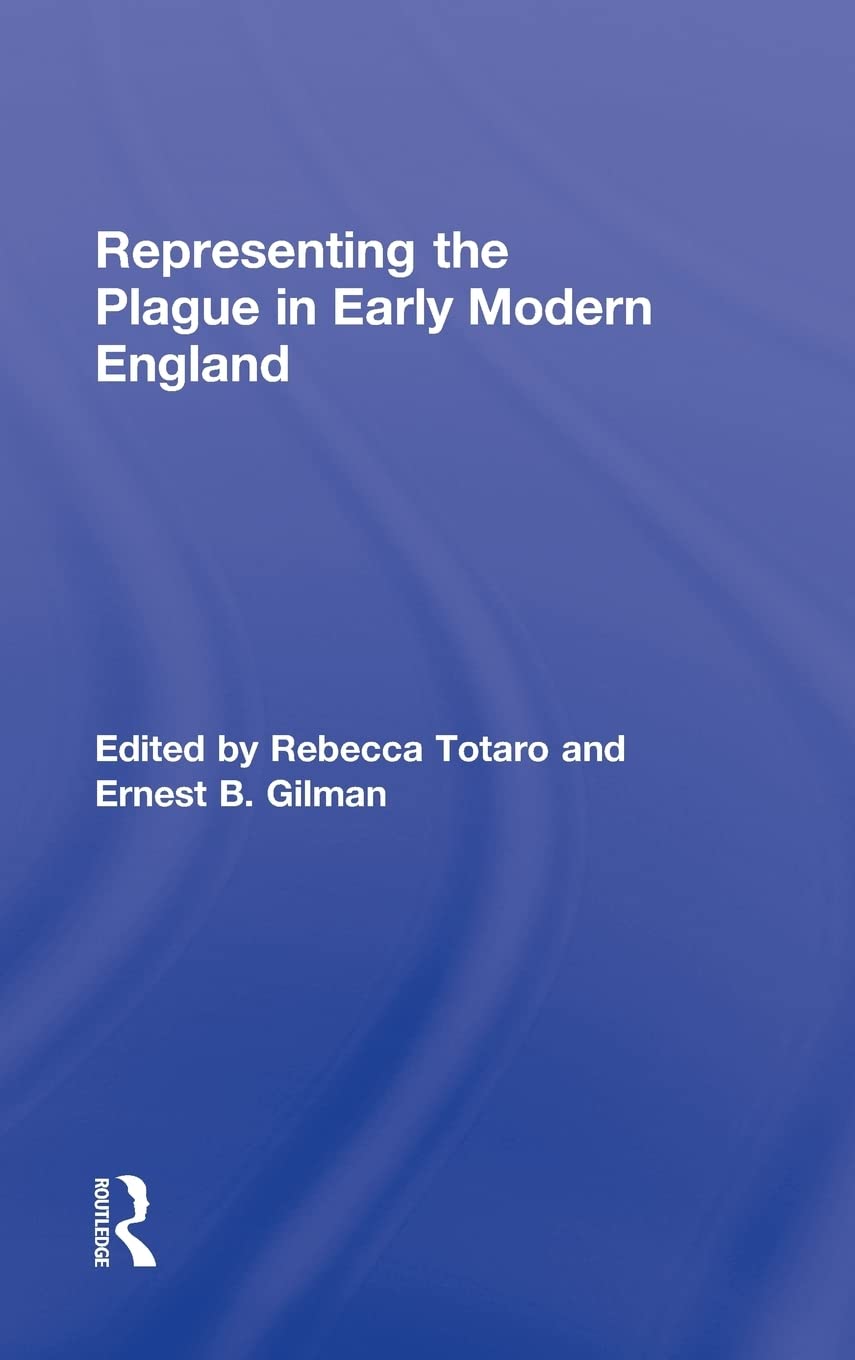
Representing the Plague in Early Modern England: A Deep Dive
Representing the Plague in Early Modern England: A Deep Dive
Price subject to change. Tap below for current.
Couldn't load pickup availability
The book Representing the Plague in Early Modern England offers a comprehensive exploration of how the plague was depicted in literature and culture during a tumultuous period. Authored by Rebecca Totaro and Ernest B. Gilman, this scholarly work delves into the intricate relationship between disease and representation, making it an essential read for anyone interested in Renaissance literature.
In this insightful analysis, the authors examine various texts and cultural artifacts from the early modern period, shedding light on the societal impacts of the plague. The book provides a detailed look at how writers and artists responded to the crisis, using their works to reflect the fears and realities of a society grappling with mortality. The historical context presented in the book enriches the reader's understanding of the era.
One of the standout features of this work is its interdisciplinary approach, combining literary analysis with historical research. This methodology allows for a nuanced discussion of how the plague influenced not only literature but also artistic expression and public discourse. The authors skillfully weave together various narratives, making connections that reveal the pervasive influence of disease on early modern thought.
Throughout the book, readers will encounter a variety of perspectives on the plague, from personal accounts to broader societal reflections. The inclusion of primary sources enhances the text, providing a rich tapestry of voices that illustrate the complexities of living through such a devastating event. This makes the book not only informative but also engaging, as it invites readers to consider the emotional and psychological toll of the plague.
Moreover, the authors highlight the role of theater and performance in shaping public perception of the plague. By analyzing plays and performances from the period, they demonstrate how these cultural forms served as both entertainment and a means of processing collective trauma. This focus on performance adds a dynamic layer to the discussion, emphasizing the importance of cultural expression in times of crisis.
In conclusion, Representing the Plague in Early Modern England is a vital contribution to the field of Renaissance studies. It not only addresses the literary representations of the plague but also situates these works within the broader cultural and historical landscape. For scholars, students, and enthusiasts of early modern literature, this book is an invaluable resource that offers deep insights into the interplay between disease and representation.
Share