Regular price
$140.00 USD
Price subject to change. Tap below for current.
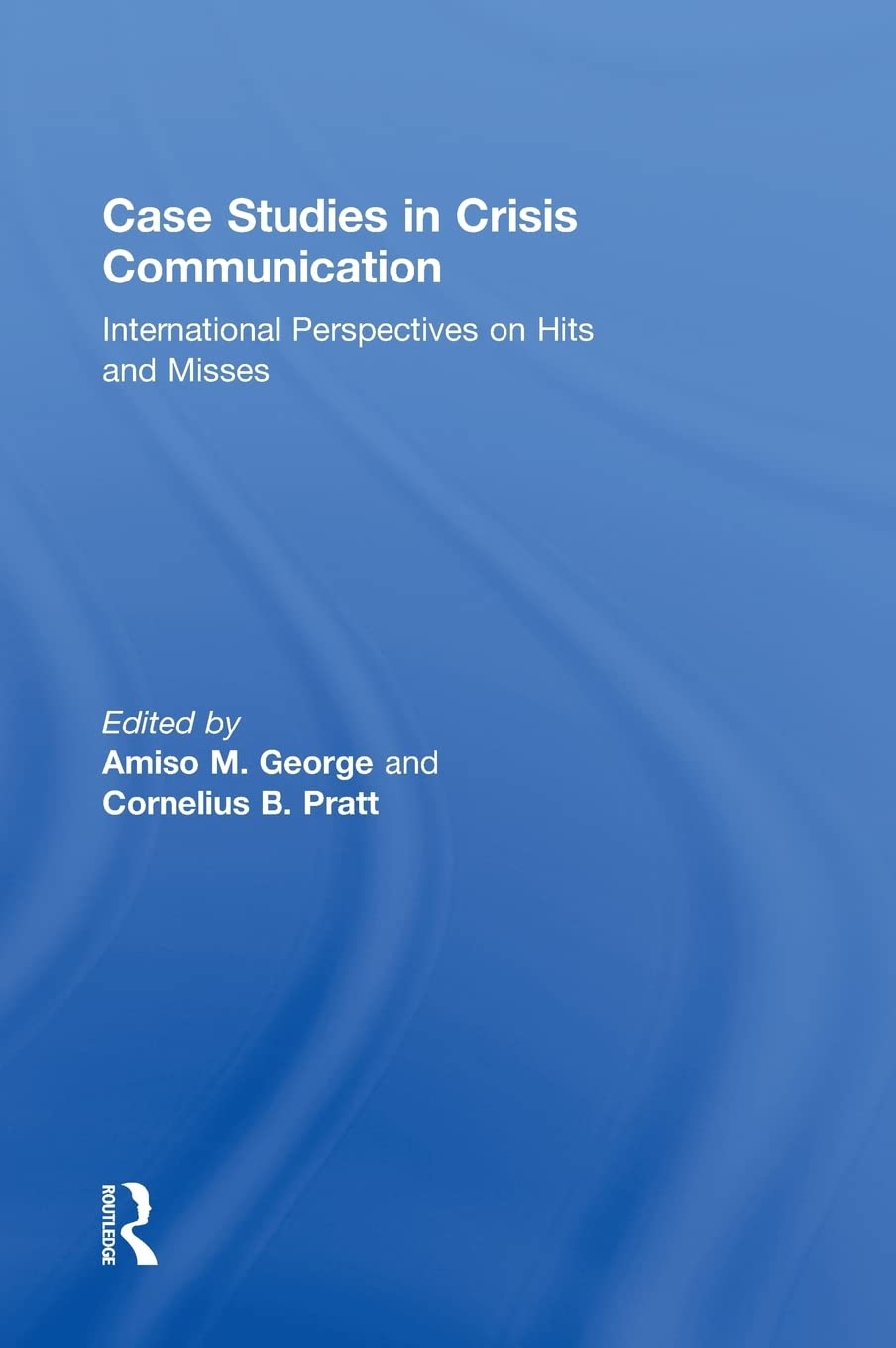
The book Case Studies in Crisis Communication offers a comprehensive exploration of how various organizations have navigated crises. With contributions from experts in the field, this text provides invaluable insights into the strategies that lead to successful outcomes and those that resulted in failures. Each case study is meticulously analyzed, highlighting the importance of effective communication during critical times.
One of the standout features of this book is its focus on international perspectives. Readers will find examples from diverse cultural contexts, showcasing how different societies approach crisis management. This global viewpoint enriches the reader's understanding of the complexities involved in crisis communication.
Throughout the chapters, the authors emphasize the significance of preparedness and planning. They argue that organizations must have robust communication strategies in place before a crisis occurs. The case studies illustrate how proactive measures can mitigate damage and enhance public trust.
Additionally, the book delves into the role of social media in crisis situations. In today's digital age, the speed at which information spreads can make or break a company's reputation. The authors provide compelling examples of how organizations have successfully utilized social media platforms to communicate effectively during crises.
Another critical aspect covered is the evaluation of communication effectiveness post-crisis. The authors stress the need for organizations to assess their performance and learn from both successes and failures. This reflective practice is essential for improving future crisis communication efforts and is a recurring theme throughout the text.
Moreover, the book addresses the ethical considerations inherent in crisis communication. The authors challenge readers to think critically about the responsibilities organizations have towards their stakeholders during a crisis. This focus on ethical communication adds depth to the analysis and encourages a more thoughtful approach to crisis management.
In conclusion, Case Studies in Crisis Communication is an essential resource for students, professionals, and anyone interested in understanding the dynamics of crisis management. Its blend of theory and practical examples makes it a valuable addition to the literature on communication strategies. With its insightful analysis and diverse case studies, this book is sure to enhance the reader's knowledge and skills in navigating crises effectively.