Student Thinking and Learning in Science: A Comprehensive Guide
Student Thinking and Learning in Science: A Comprehensive Guide
Price subject to change. Tap below for current.
Couldn't load pickup availability
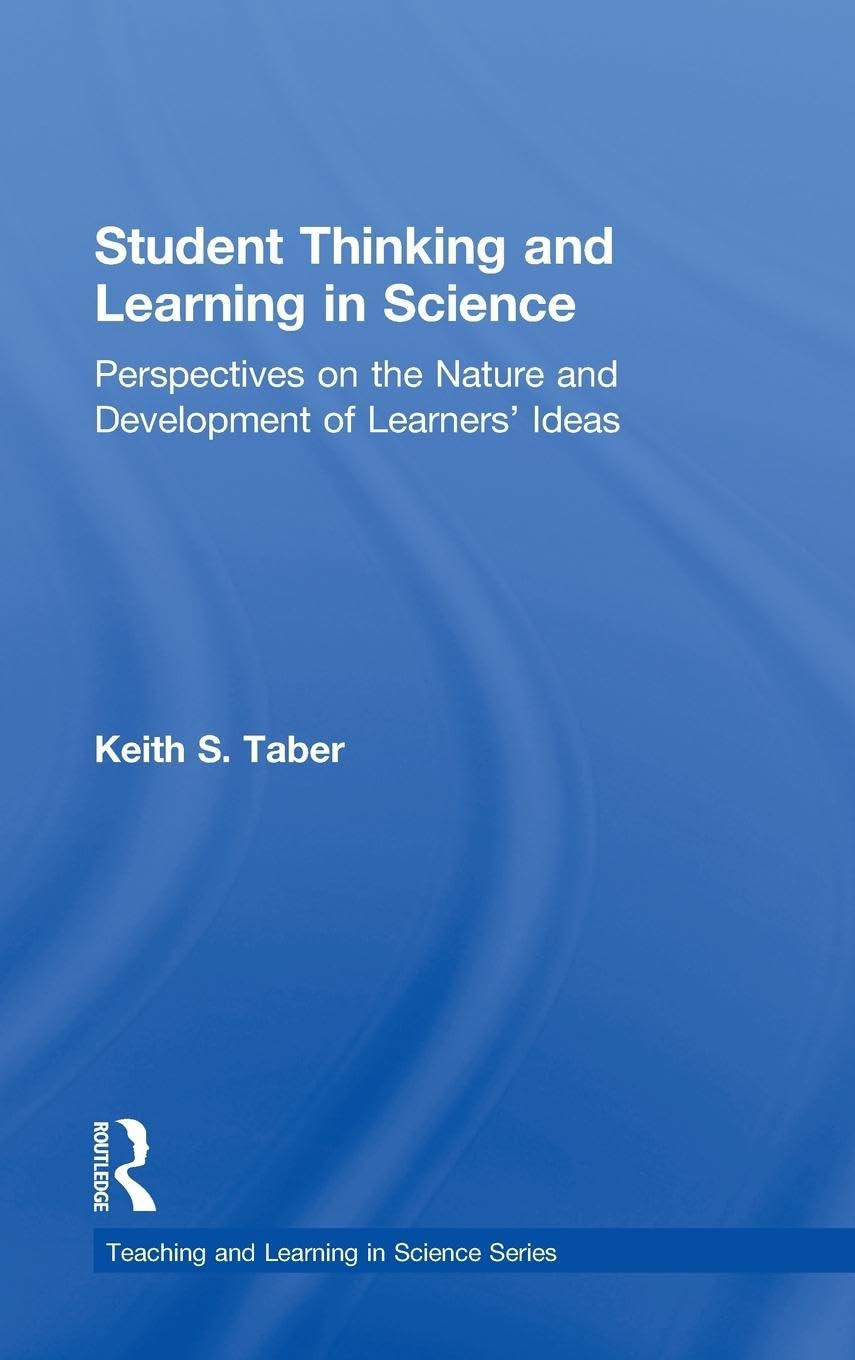
The book Student Thinking and Learning in Science offers a profound exploration into the cognitive processes that shape how students engage with scientific concepts. Authored by Keith Taber, this resource is essential for educators aiming to enhance their teaching methodologies.
One of the key features of this book is its focus on student engagement. It delves into various strategies that can be employed to foster a more interactive learning environment. By understanding how students think, teachers can tailor their approaches to meet diverse learning needs.
Moreover, the text emphasizes the importance of conceptual understanding in science education. Taber argues that rote memorization is insufficient; instead, students must grasp the underlying principles that govern scientific phenomena. This perspective encourages educators to develop lessons that promote deeper comprehension.
In addition to theoretical insights, the book provides practical examples and case studies that illustrate effective teaching practices. These real-world applications of theory help bridge the gap between research and practice, making it easier for teachers to implement new strategies in their classrooms.
Another significant aspect of the book is its discussion on assessment techniques. Taber highlights various methods for evaluating student understanding, emphasizing formative assessments that inform instruction. This approach allows teachers to adjust their teaching based on student feedback and performance.
The author also addresses the role of collaborative learning in science education. By encouraging group work and peer discussions, students can enhance their understanding through shared knowledge and experiences. This collaborative approach not only boosts engagement but also fosters critical thinking skills.
Furthermore, the book explores the impact of technology on science learning. With the rise of digital tools, educators are presented with new opportunities to enhance student learning experiences. Taber discusses how to effectively integrate technology into the curriculum to support interactive learning.
In conclusion, Student Thinking and Learning in Science is an invaluable resource for educators seeking to improve their teaching practices. With its comprehensive insights into student cognition, engagement strategies, and assessment techniques, this book is a must-have for anyone involved in science education.
Share