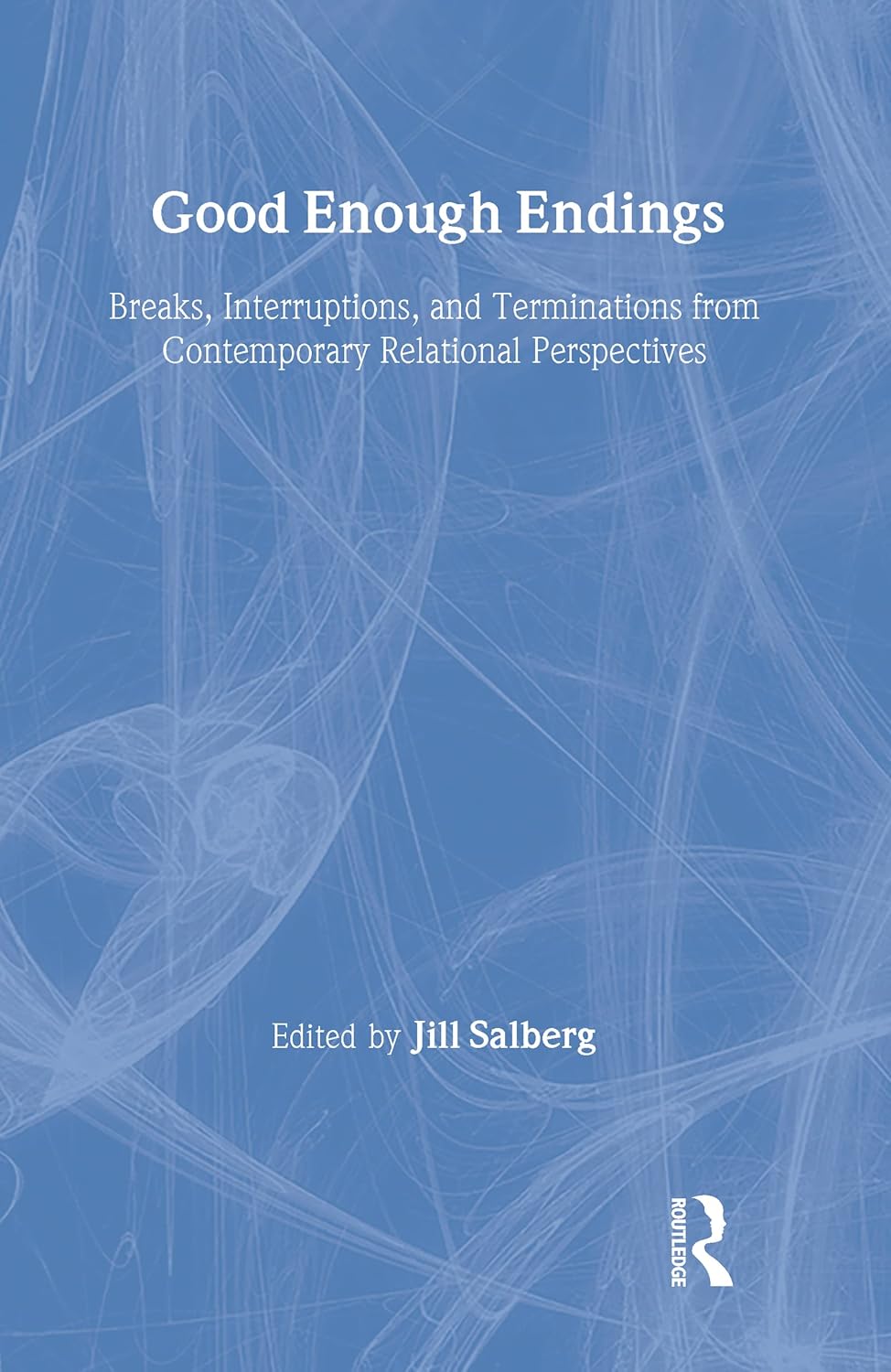
Good Enough Endings: Breaks and Interruptions in Relationships
Good Enough Endings: Breaks and Interruptions in Relationships
Price subject to change. Tap below for current.
Couldn't load pickup availability
In the realm of contemporary relational perspectives, Good Enough Endings offers a profound exploration of the complexities surrounding breaks, interruptions, and terminations in relationships. This insightful book delves into the emotional and psychological aspects that accompany the end of significant connections, making it a must-read for anyone interested in understanding the nuances of relational dynamics.
Jill Salberg, a renowned expert in the field, presents a compelling narrative that challenges traditional views on relationship endings. Through a series of case studies and theoretical frameworks, she illustrates how breaks and interruptions can serve as pivotal moments for growth and self-discovery. The book emphasizes that not all endings are failures; rather, they can be transformative experiences that lead to new beginnings.
One of the standout features of Good Enough Endings is its focus on the relational perspectives that shape our understanding of terminations. Salberg encourages readers to reconsider their assumptions about what it means to end a relationship. By integrating psychological theories with real-life examples, she provides a comprehensive view that resonates with both practitioners and laypersons alike.
The book also addresses the often-overlooked emotional toll that terminations can take on individuals. Salberg's empathetic approach allows readers to connect with the material on a personal level, fostering a deeper understanding of their own experiences with relationship endings. This emotional resonance is what sets this book apart from other texts in the field.
Furthermore, Good Enough Endings explores the societal and cultural factors that influence how we perceive and navigate relationship breaks. Salberg highlights the importance of context in understanding why certain relationships end and how individuals can find closure. This perspective is particularly relevant in today's fast-paced world, where connections are often fleeting.
Readers will appreciate the practical insights offered throughout the book. Salberg provides tools and strategies for coping with the aftermath of a relationship termination, making it a valuable resource for anyone seeking to heal and move forward. The emphasis on resilience and self-compassion is a recurring theme that encourages readers to embrace their journey.
In conclusion, Good Enough Endings is an essential addition to the literature on relational perspectives. Jill Salberg's expertise and compassionate approach make this book a vital resource for understanding the complexities of breaks, interruptions, and terminations. Whether you are a mental health professional, a student of psychology, or someone navigating the challenges of relationships, this book will provide you with valuable insights and a fresh perspective on the nature of endings.
Share